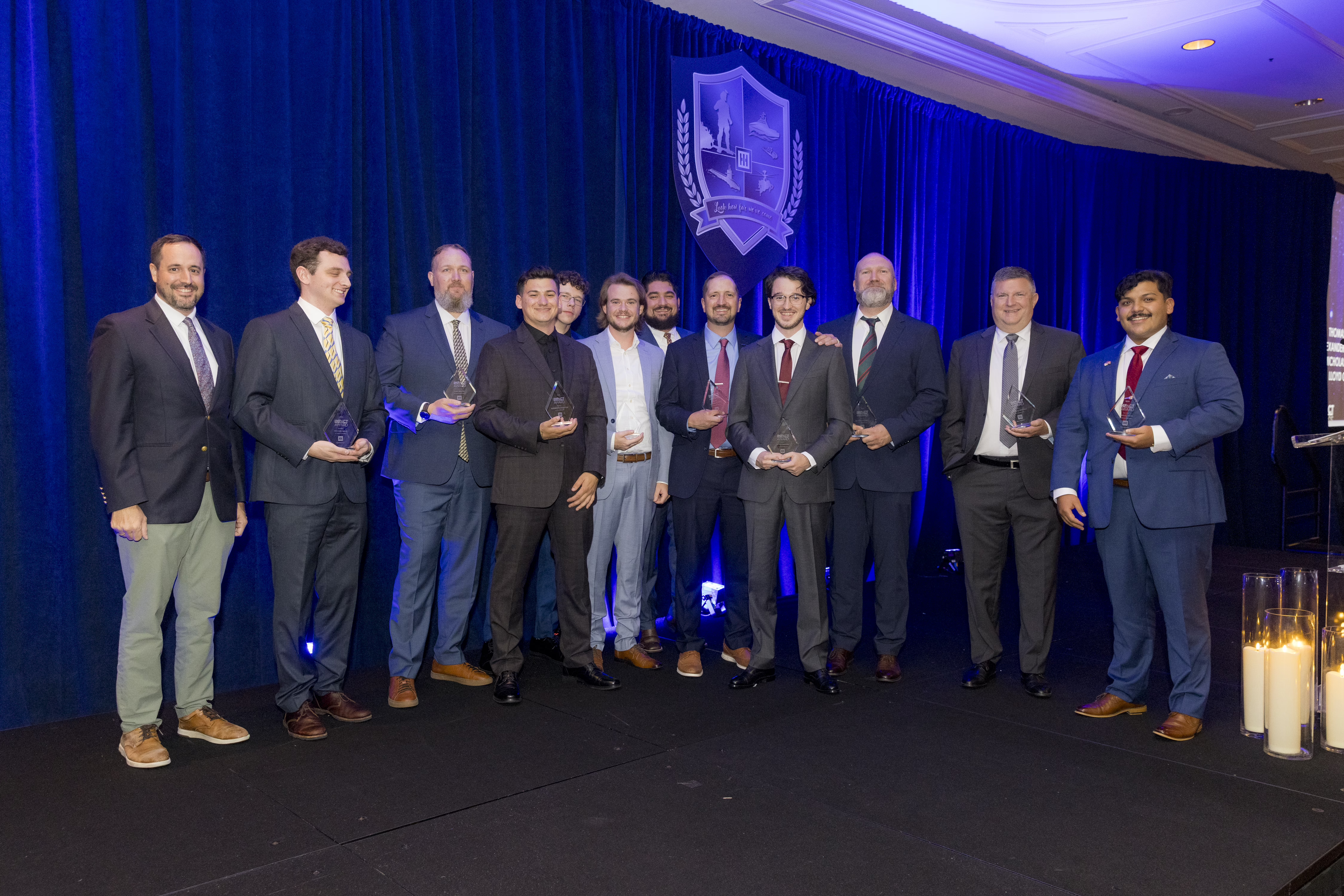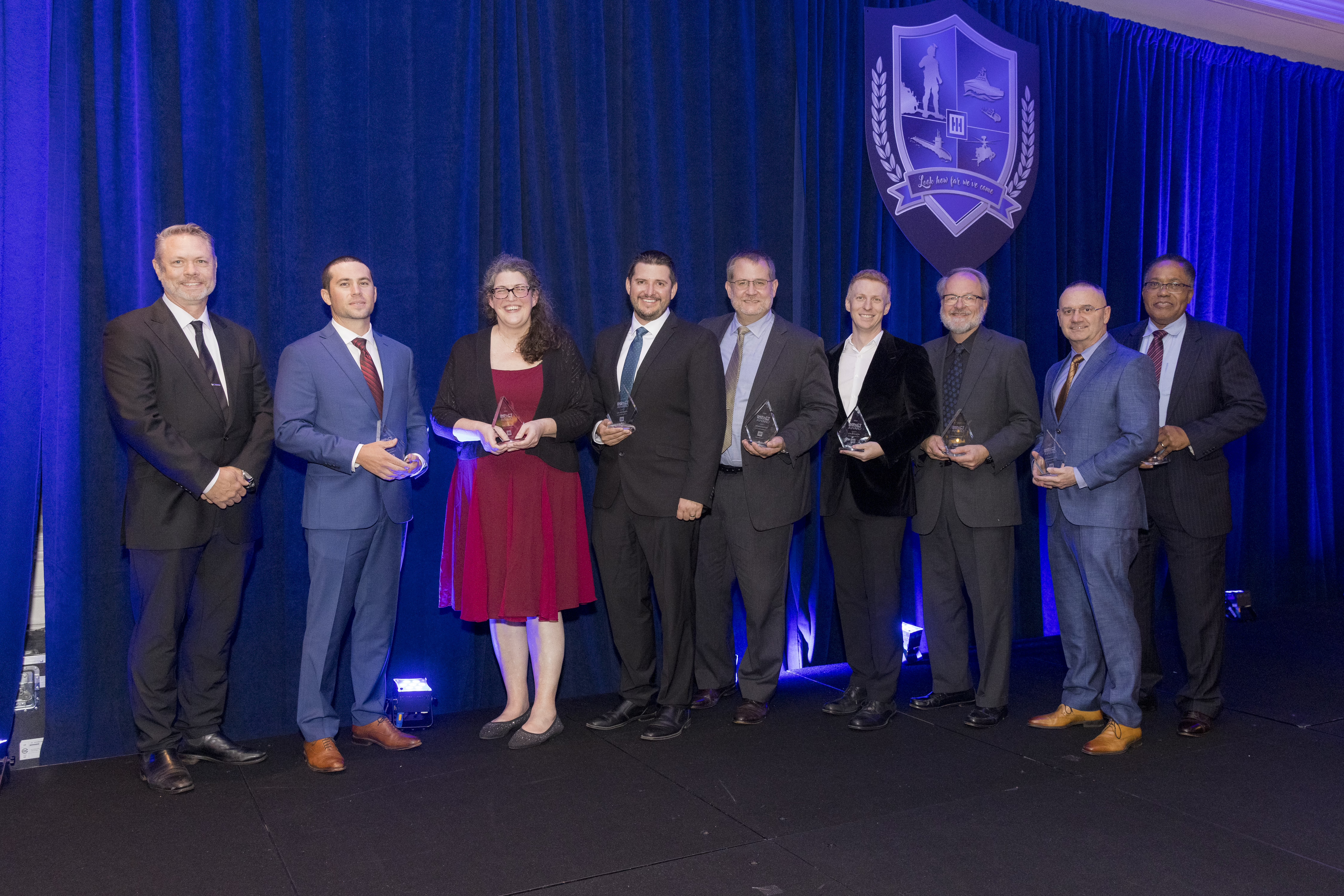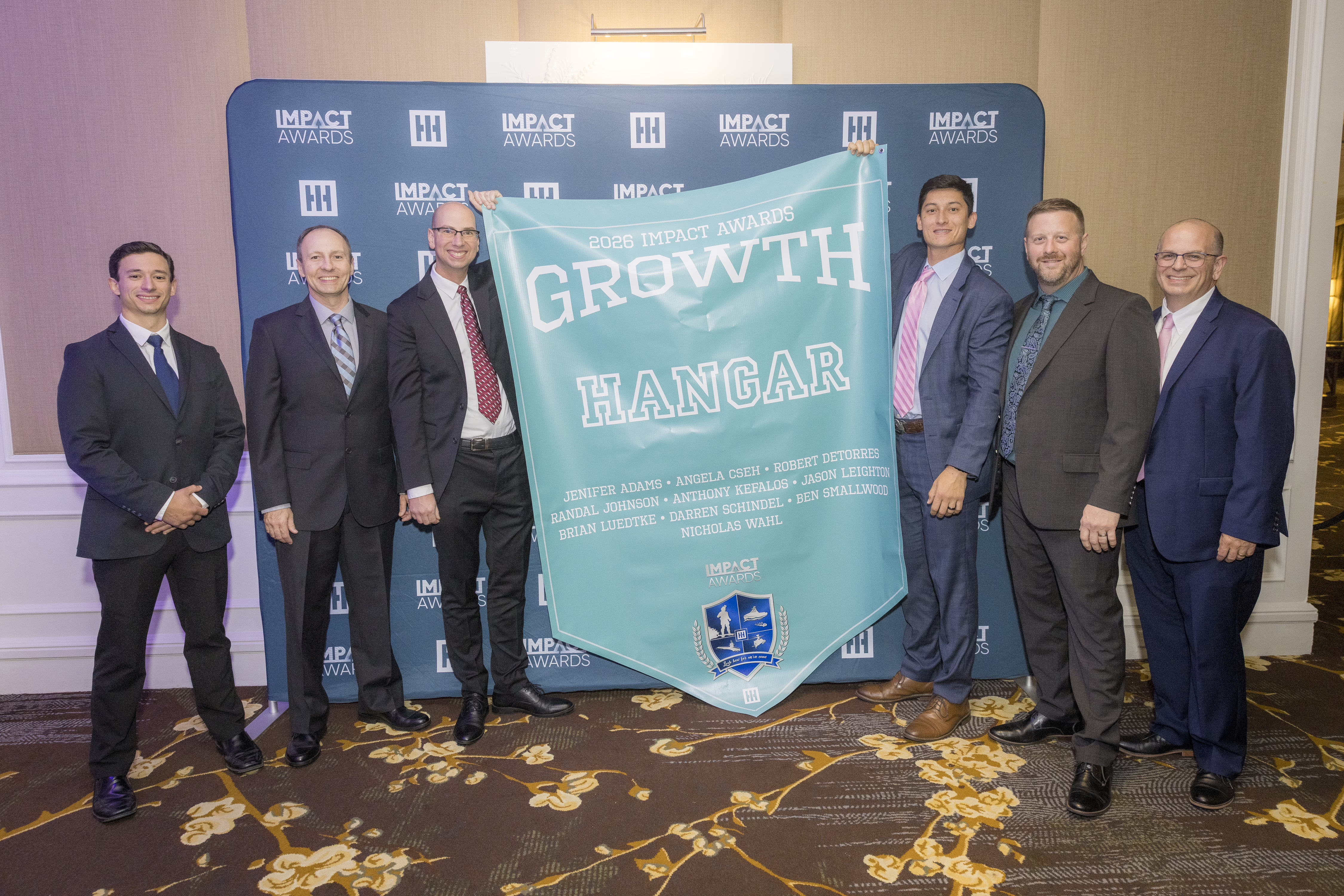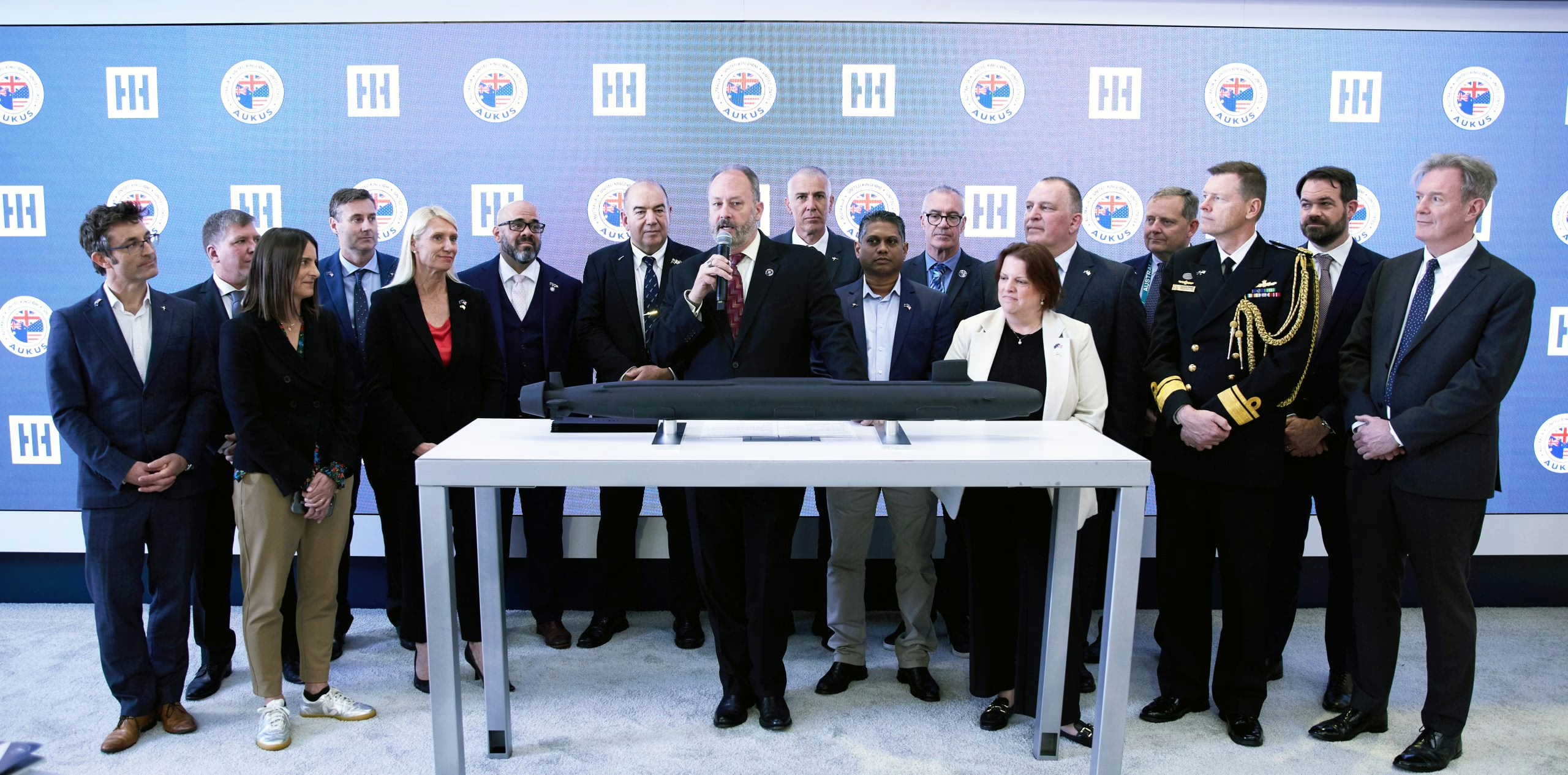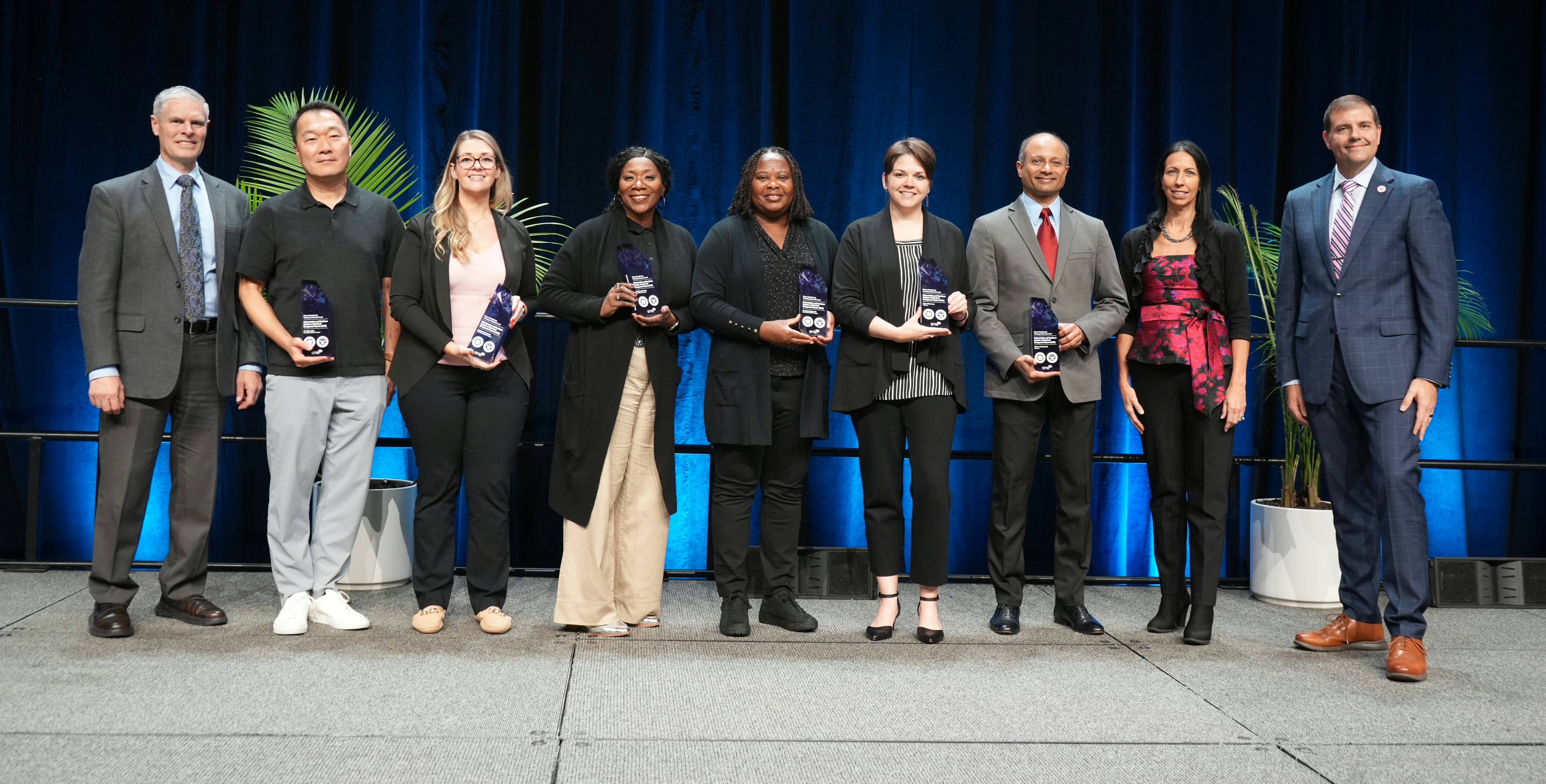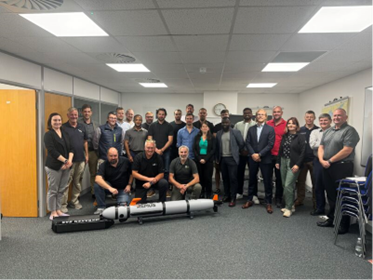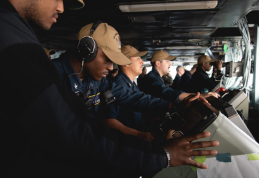

Transforming a dilapidated building into the Navy’s first‑ever 24/7/365 master hub for globally integrated fleet training sounds like a multi‑year, multi‑organization effort. For the GLOC team, it became a mission, one they delivered with precision, urgency, and extraordinary teamwork.
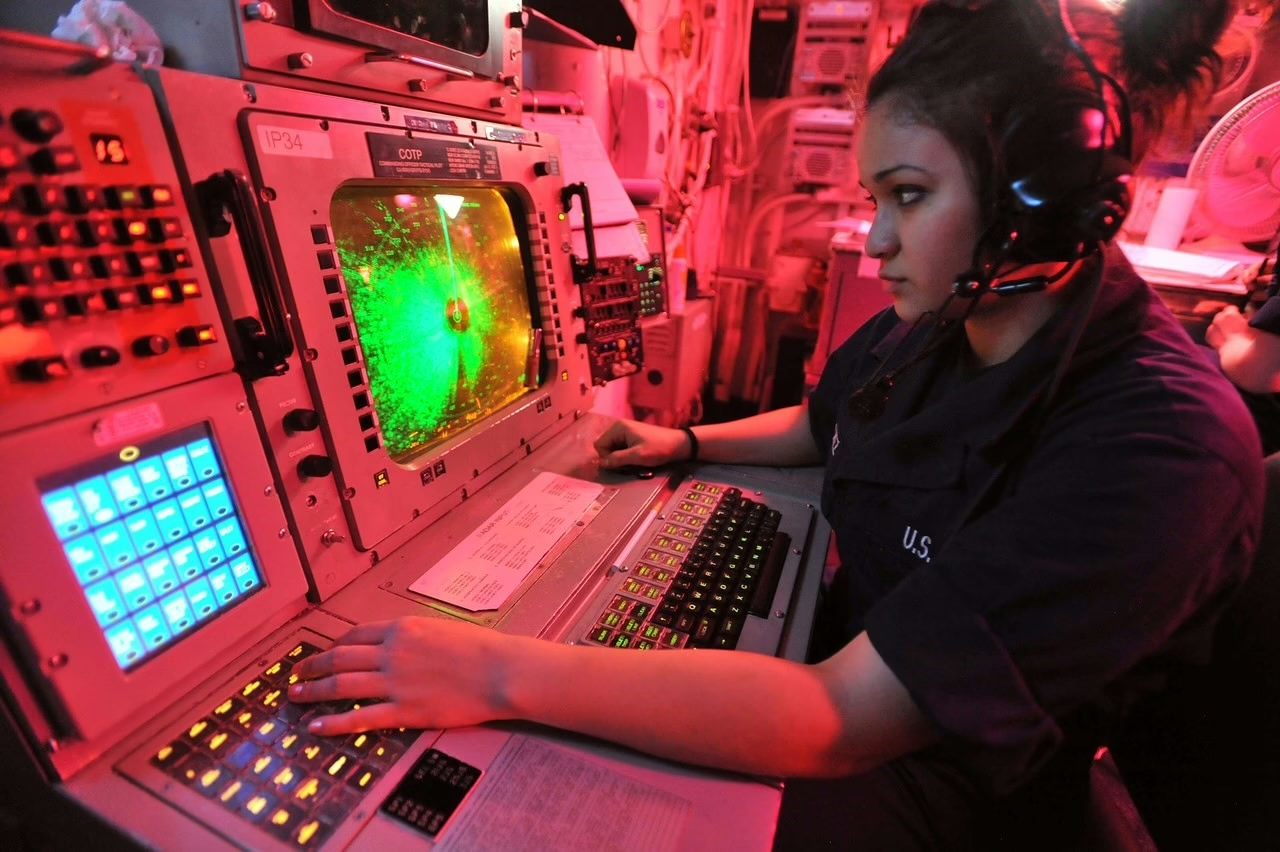
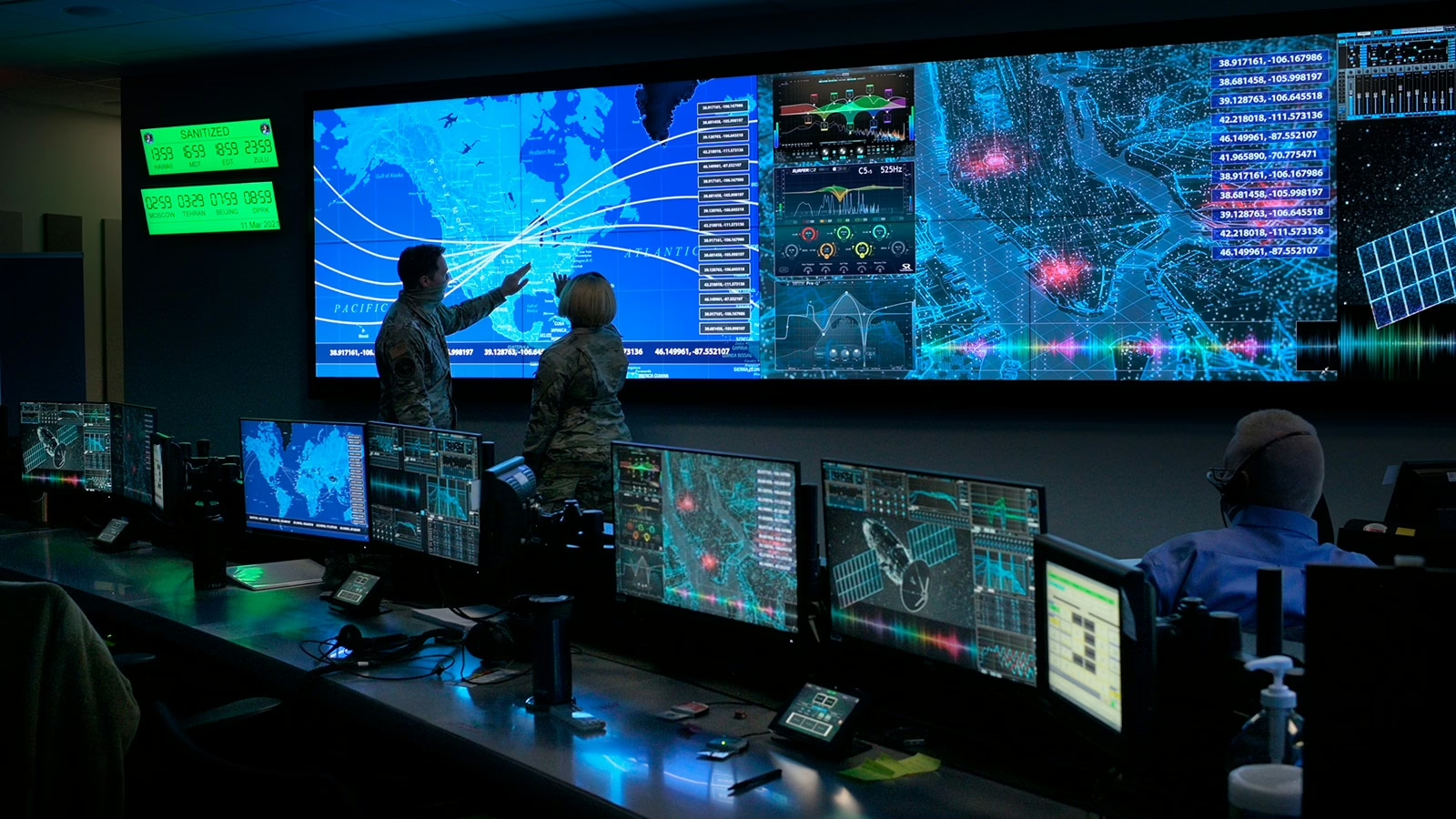
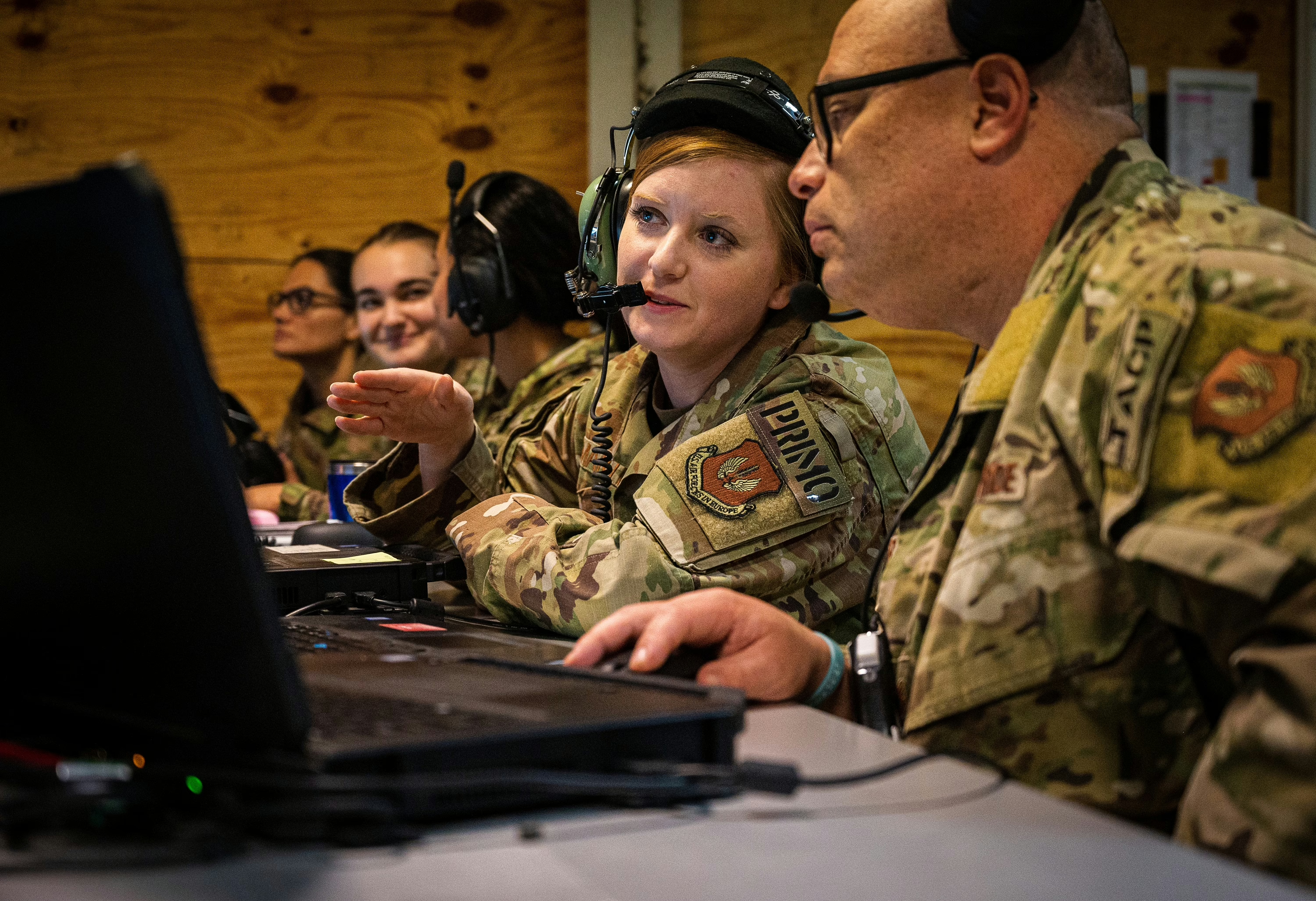
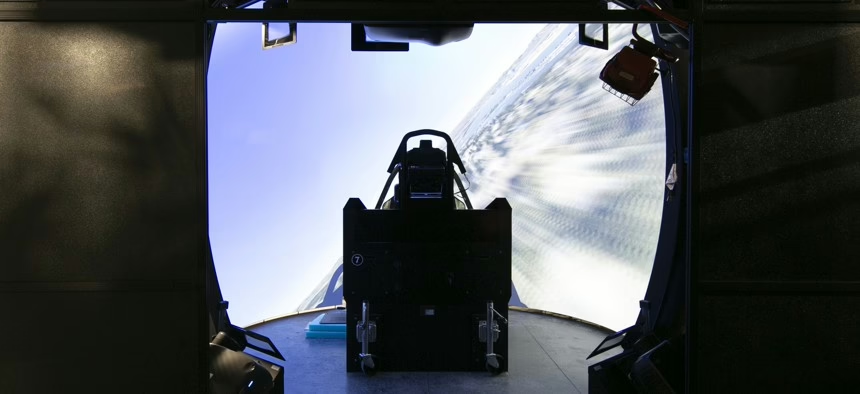
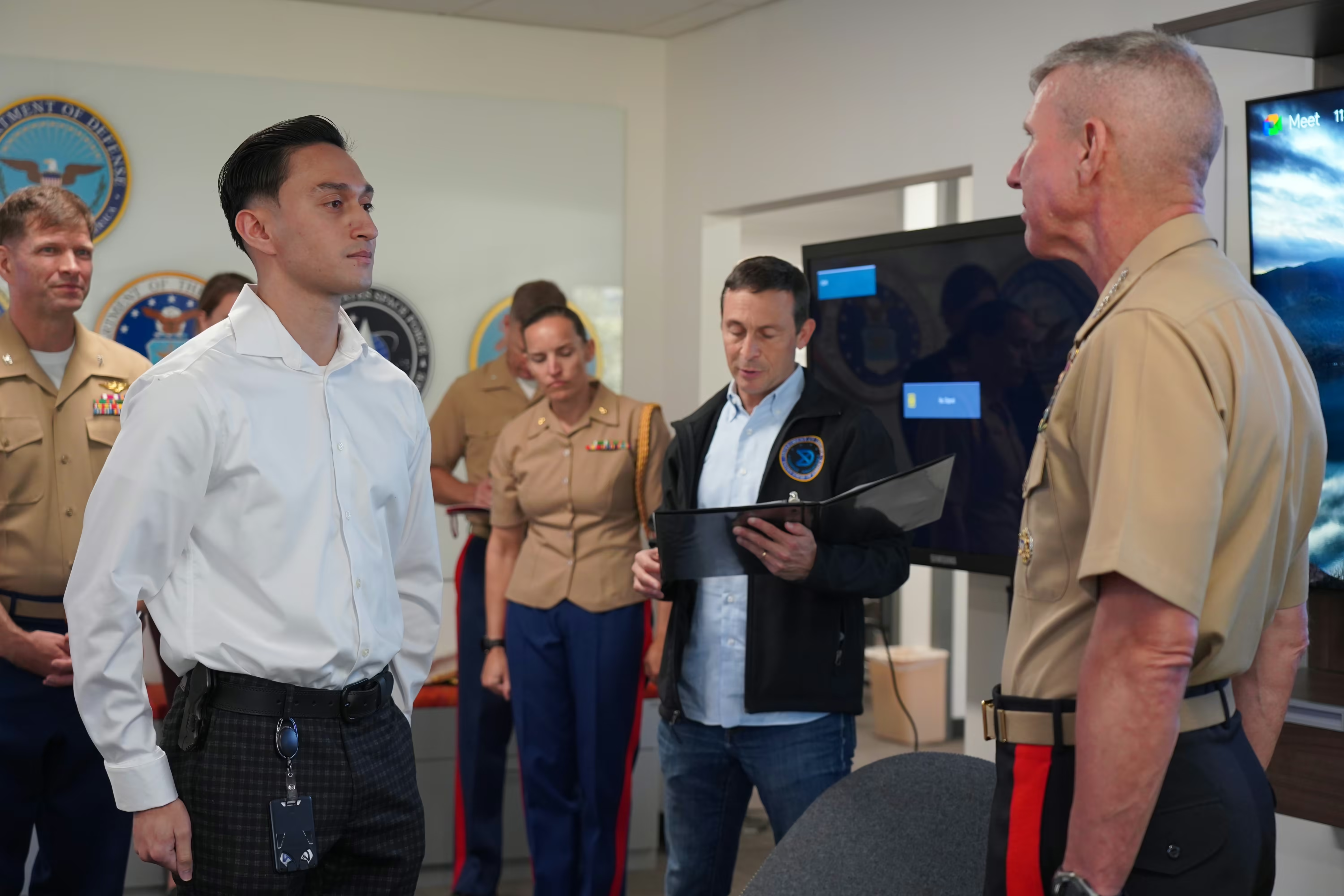
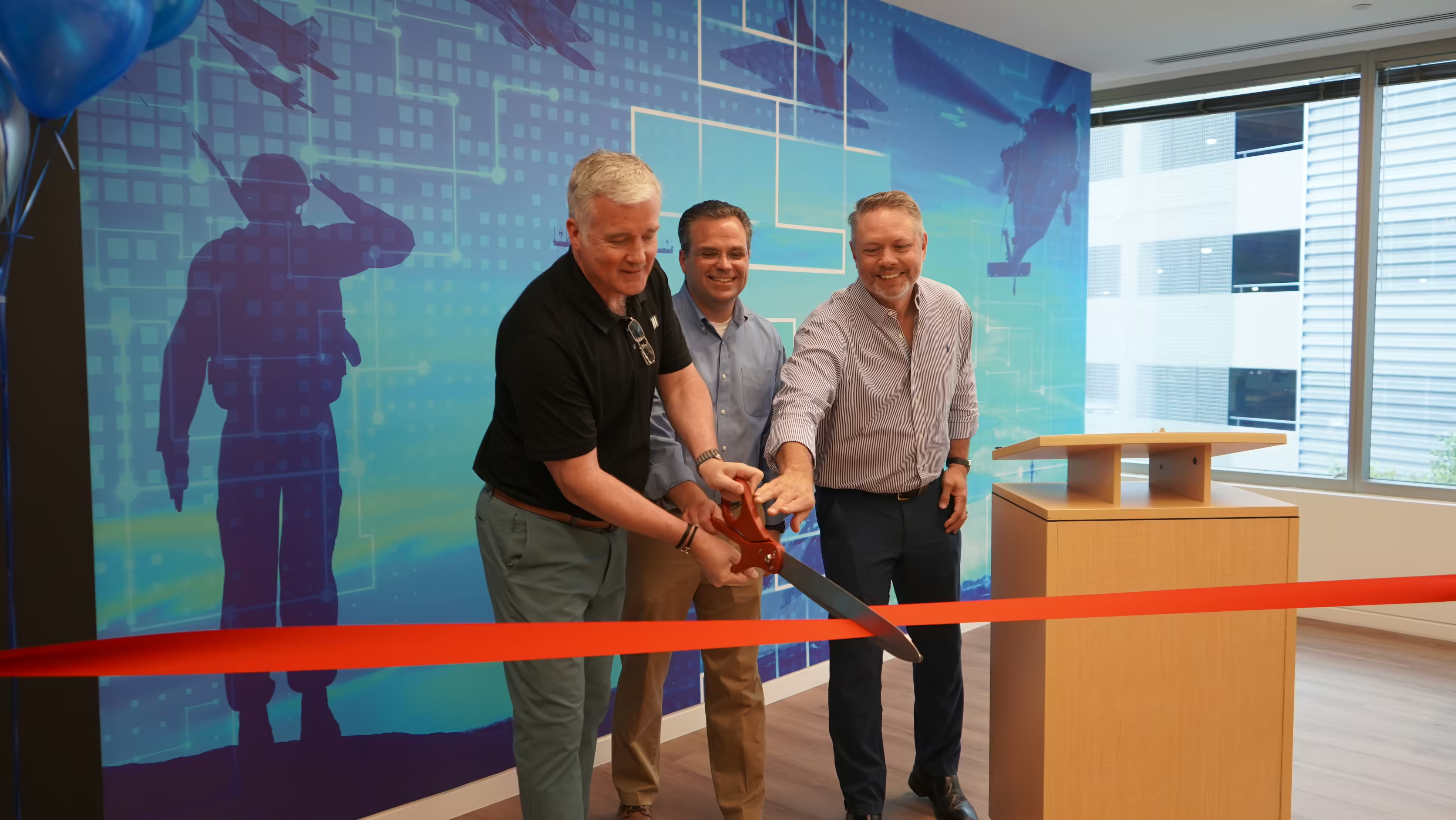
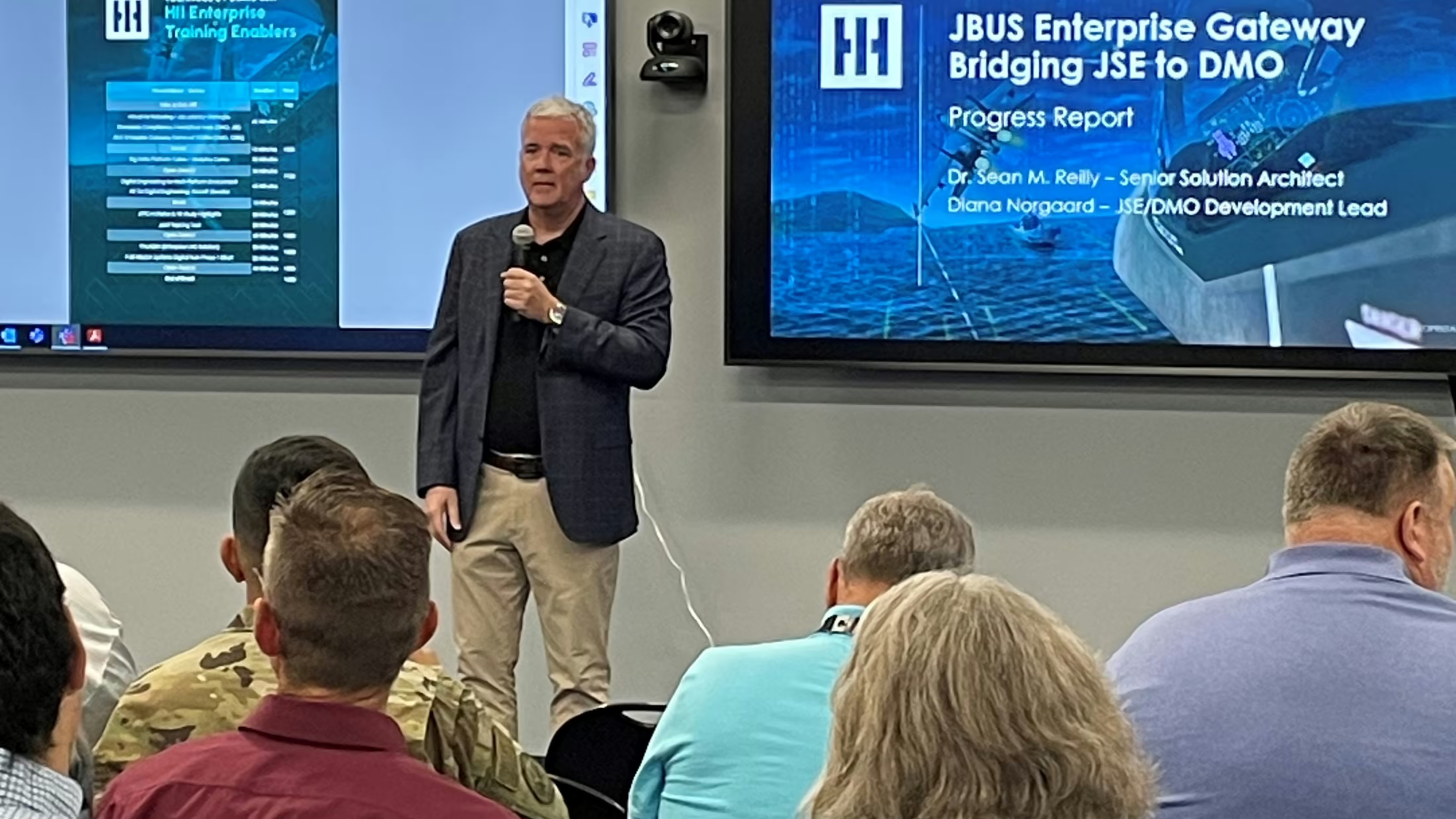
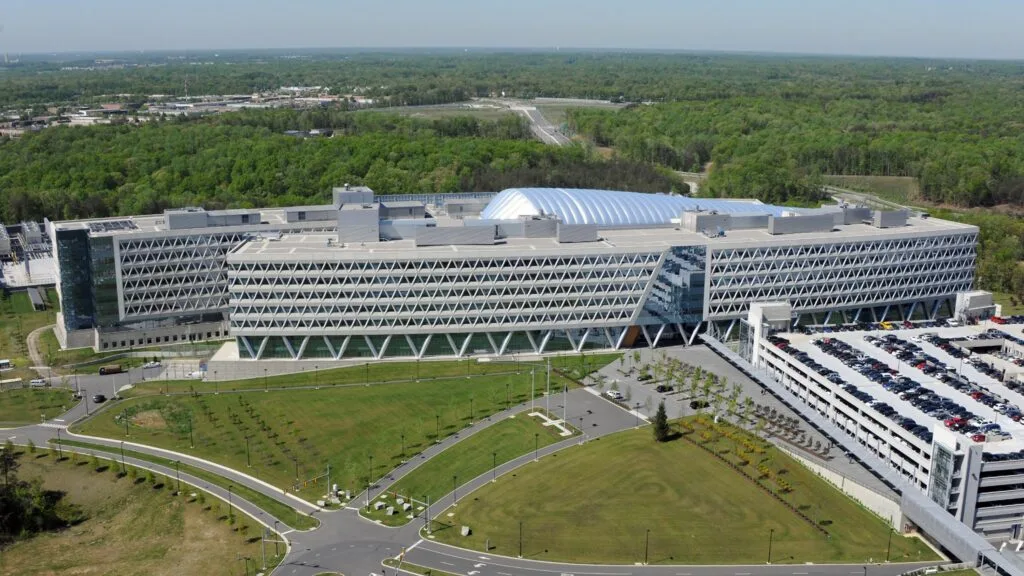
What began in Chamberlain/Hefti Hall at Naval Air Station Oceana Dam Neck Annex, a worn, outdated facility evolved into a 45,000‑square‑foot, state‑of‑the‑art Live, Virtual, and Constructive Operations Center. The team consolidated multiple LVC networks, enterprise services, and operational enclaves into a seamless training environment capable of supporting everything from large‑scale events like C2X and FST‑J to concurrent small‑scale exercises requiring TS/SCI readiness. It is now the Navy’s premier global LVC hub and the most technically complex facility integration in the history of the Navy Continuous Training Environment.
The scale of the work was immense. Nearly 200 HII personnel contributed to the effort, overcoming engineering, architectural, security, and logistical challenges while keeping live operations running. They relocated the Network Operations and Security Center and cryptographic systems, migrated infrastructure from four separate facilities, and did it all without disrupting strike group schedules or certification pipelines.
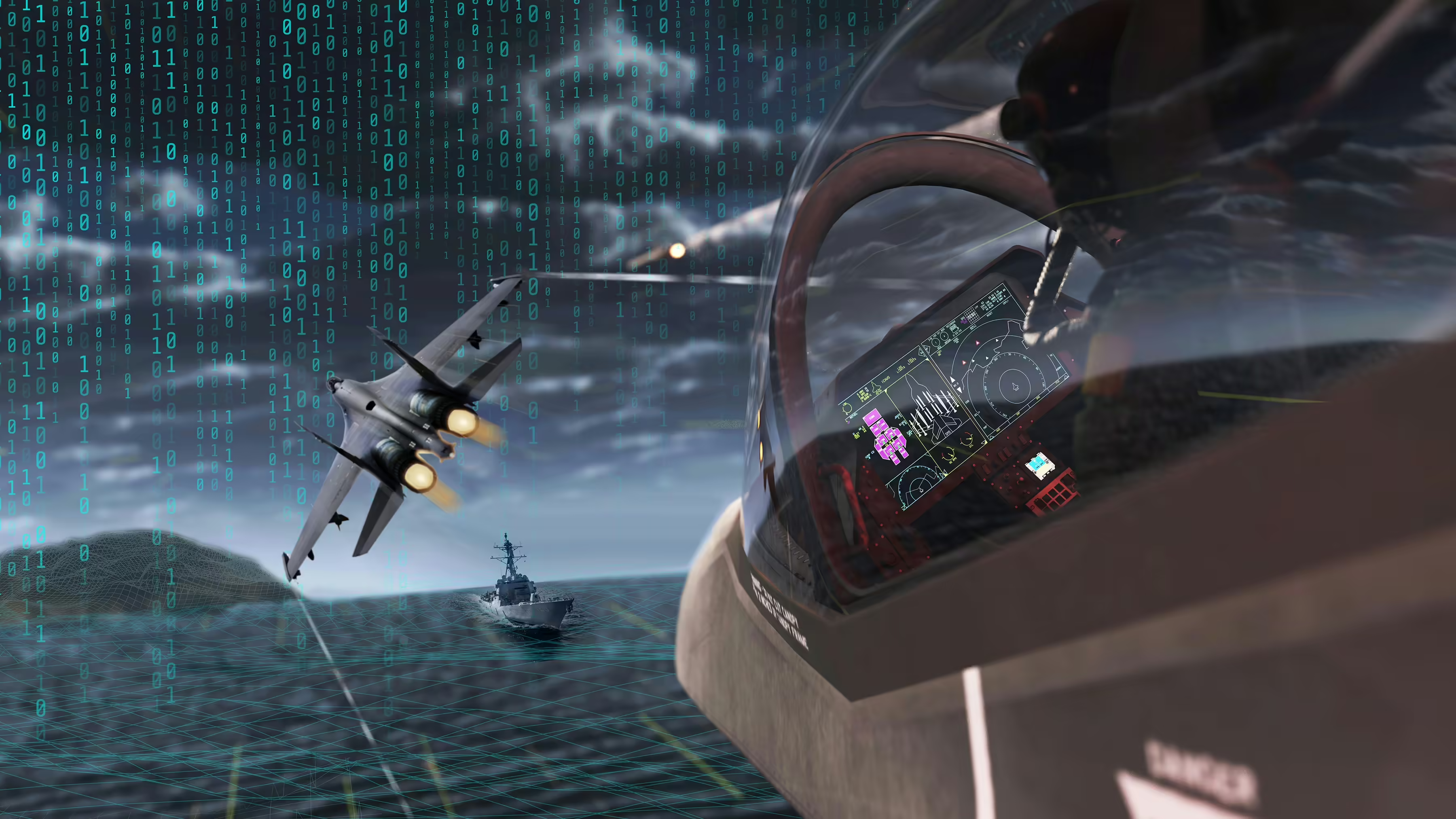
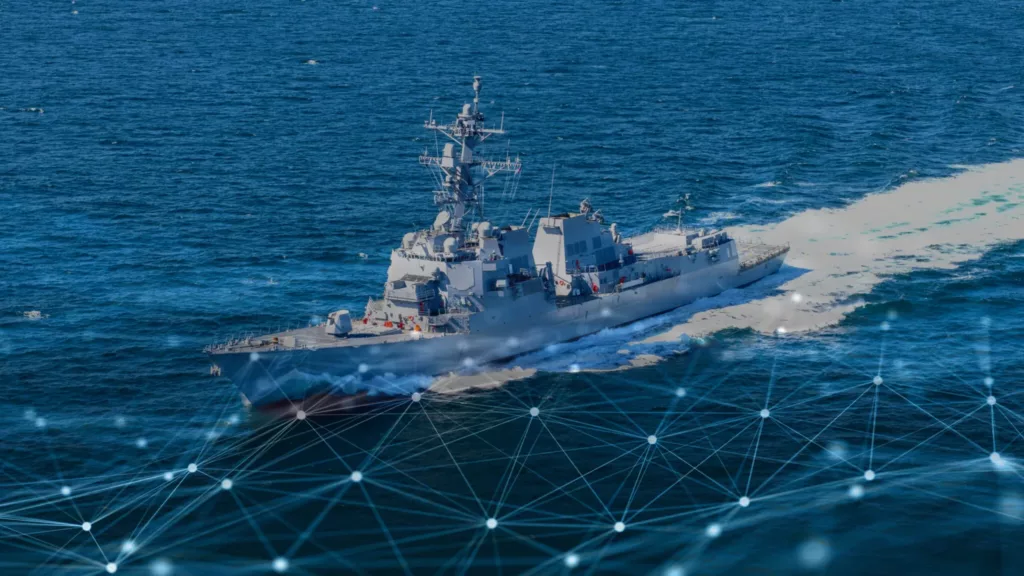
Their work enabled real‑time global synchronization across seven fleets and 22 time zones, supported integration of 25 nations during UNITAS, and delivered a future‑ready training capability the Navy can rely on for years to come.
The GLOC team built the gateway to a globally integrated, modern Navy.
Category: Service Delivery
Nominated by Chris Pietras
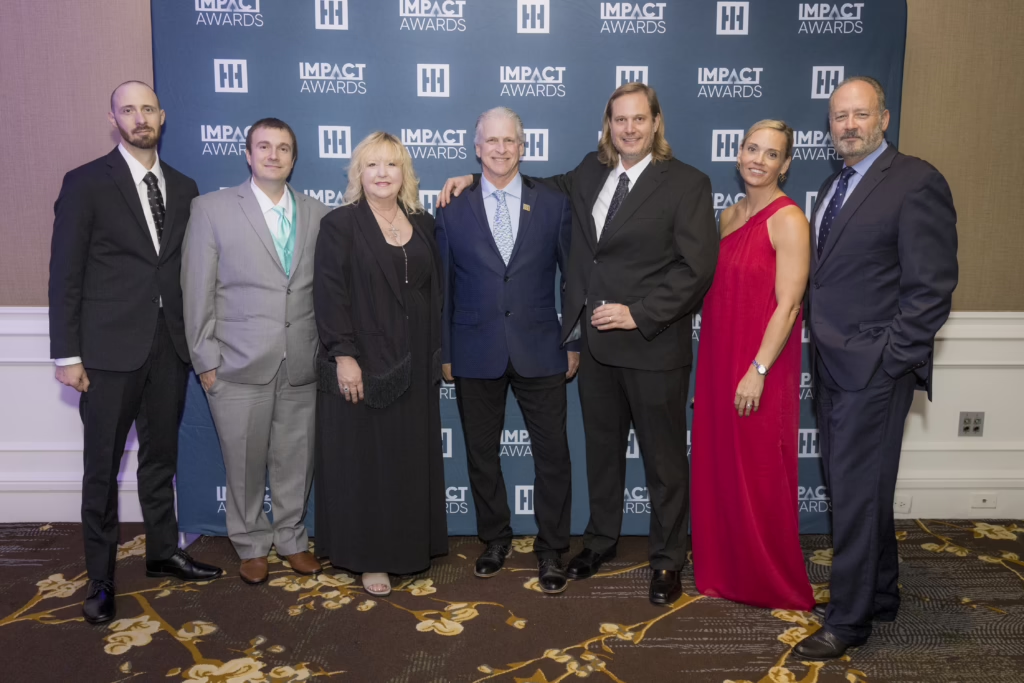
Team:
Jacob DeBarge
Jeffrey Elder
Chris Harriman
Daniel V. Martini
Cecil May-Parker
Jaydie Moore
Lloyd Nickens
Scott Shoemaker
Kent M. Slater