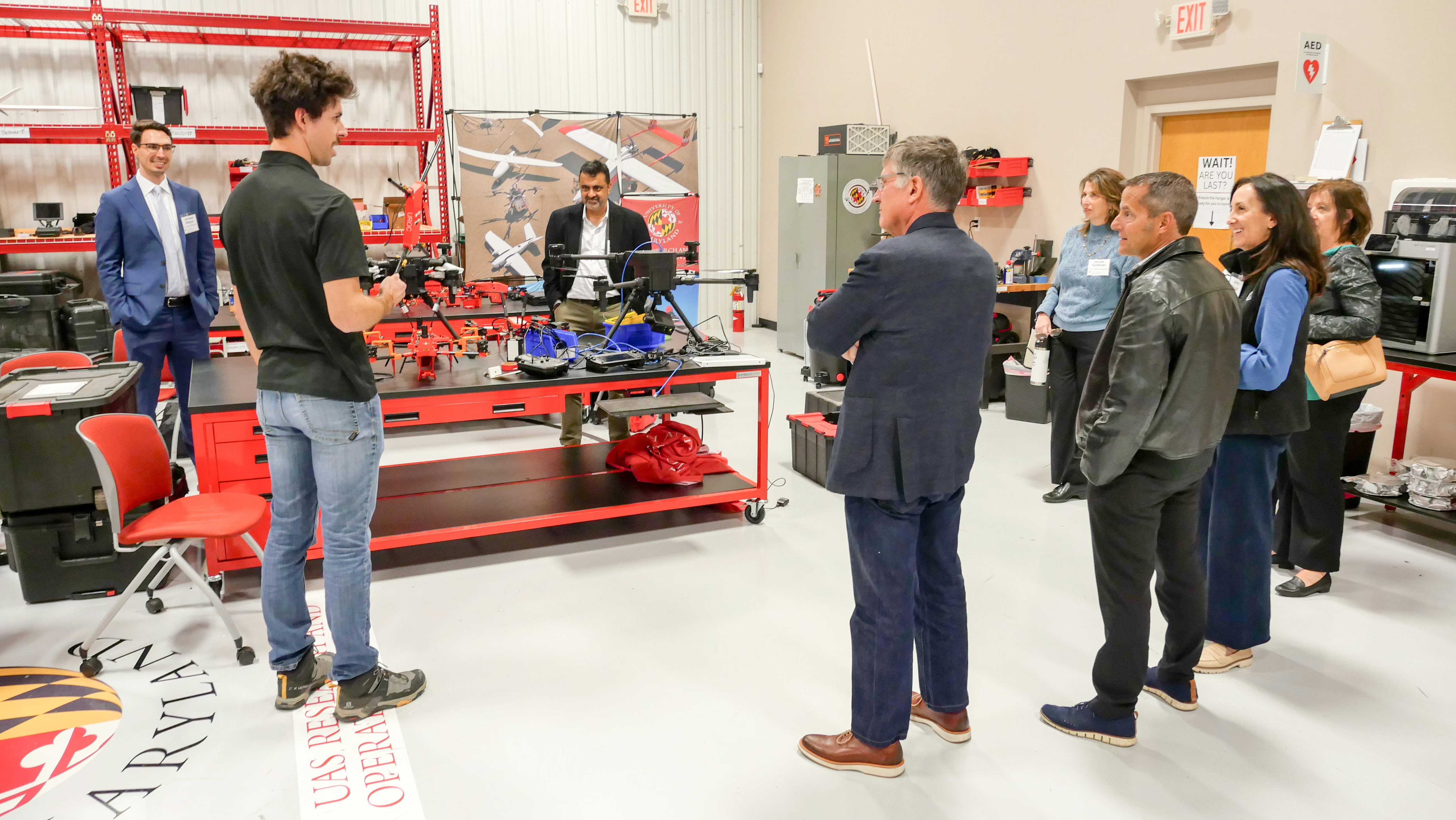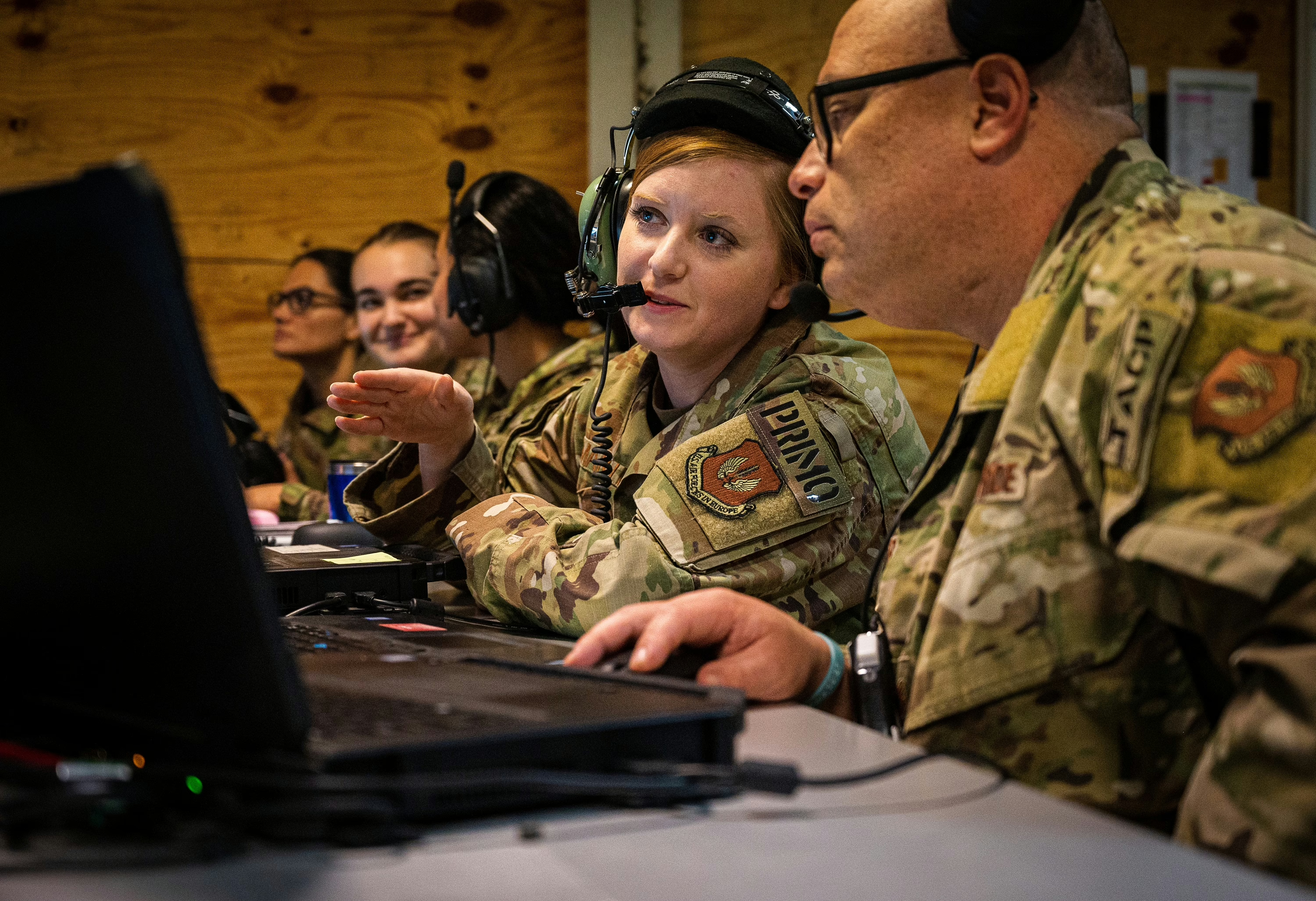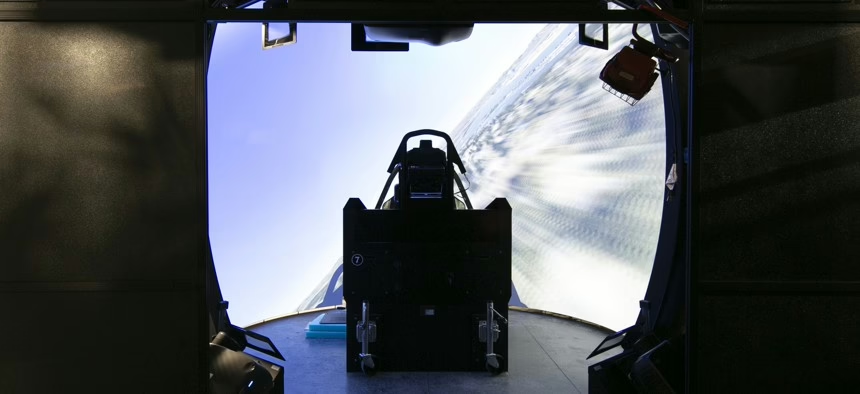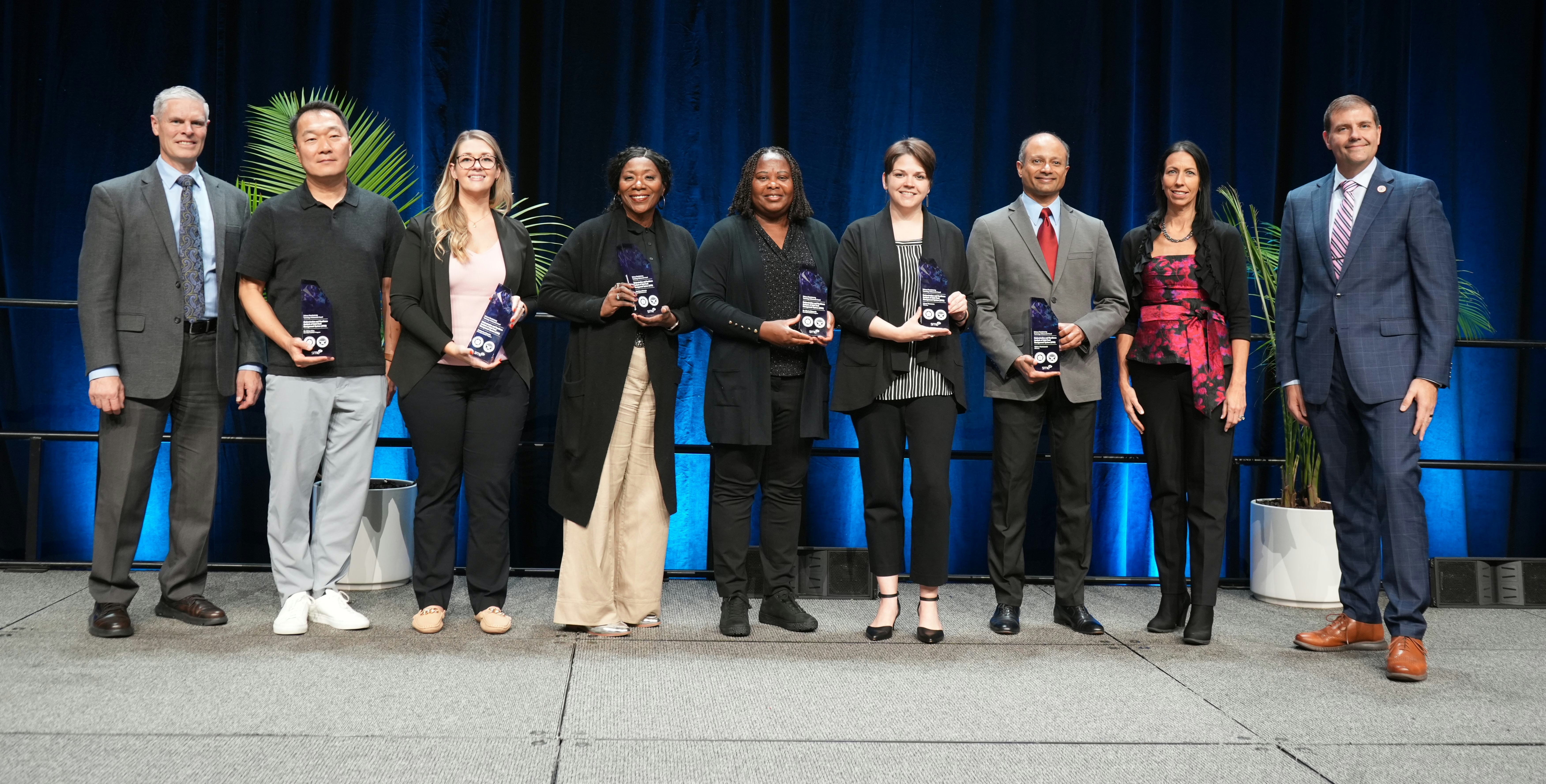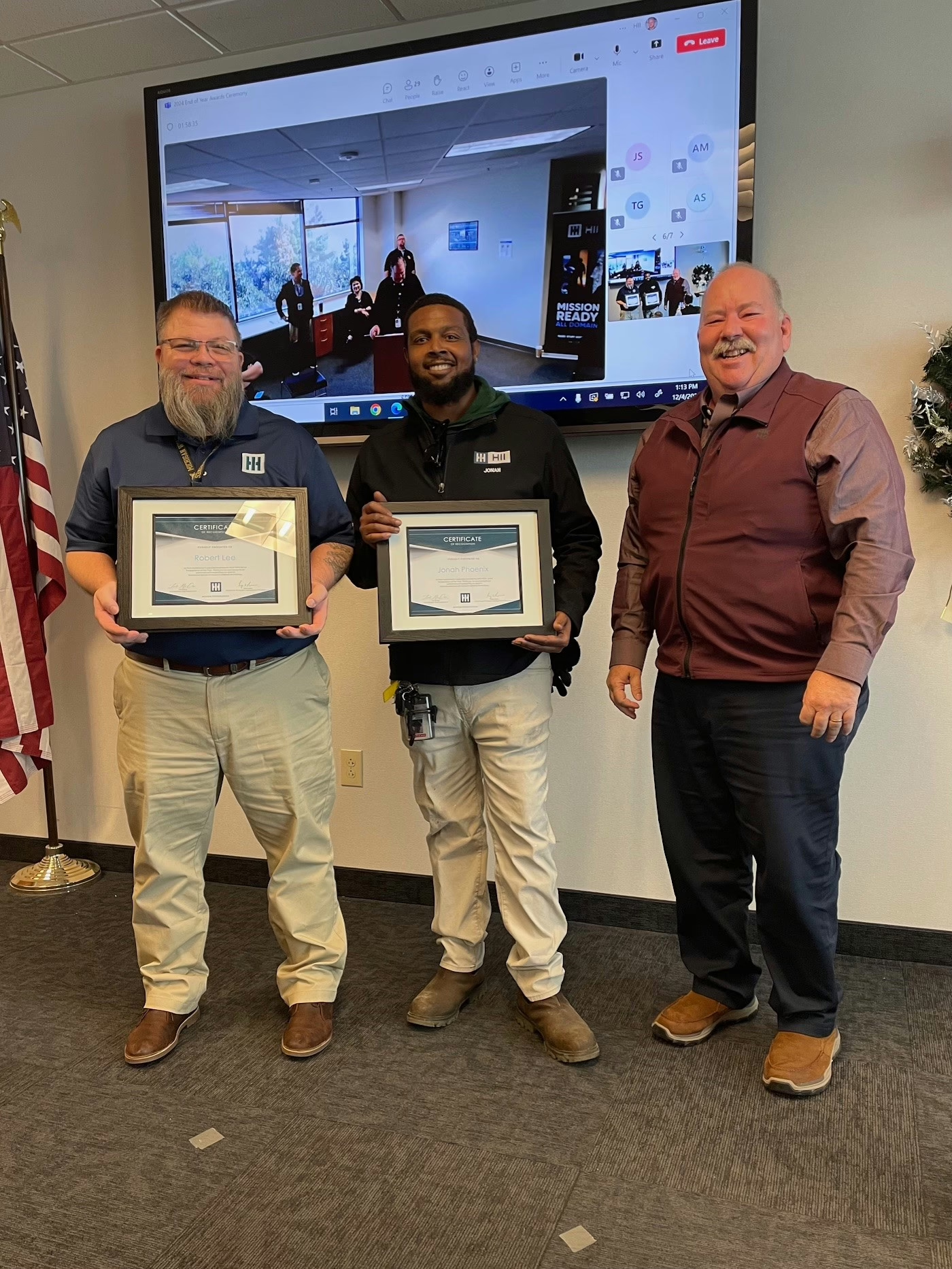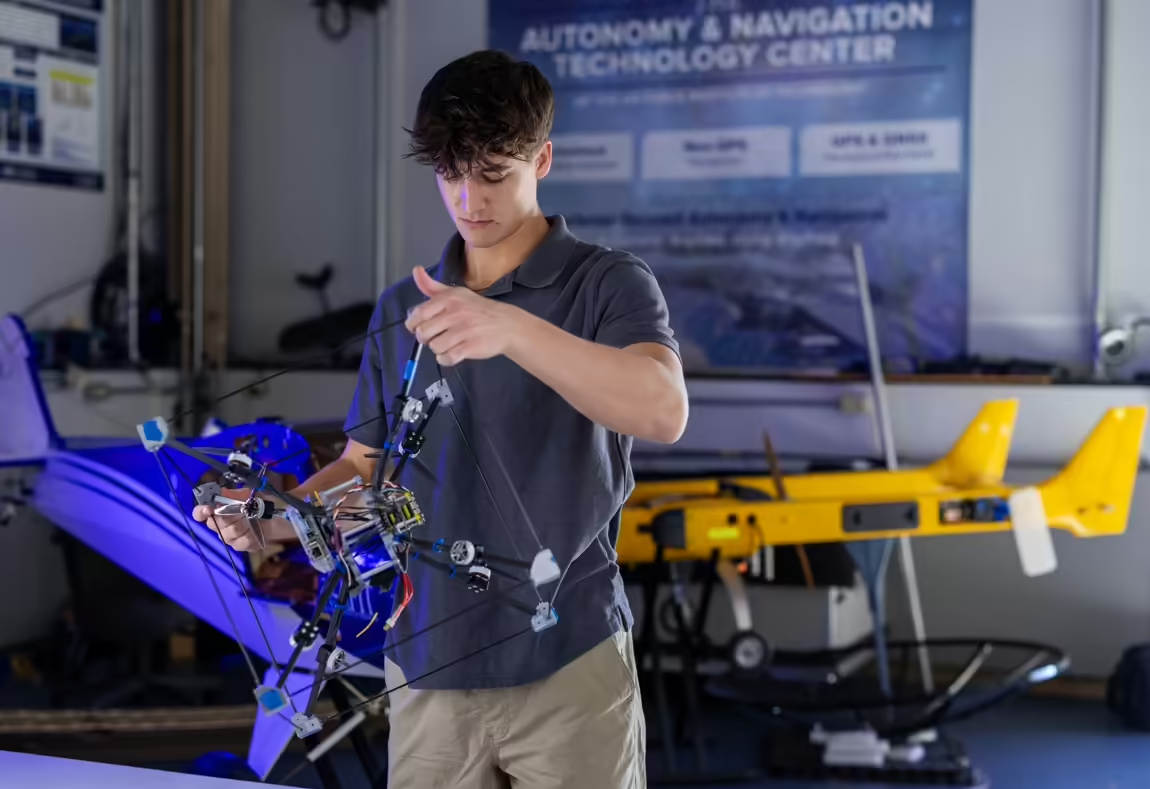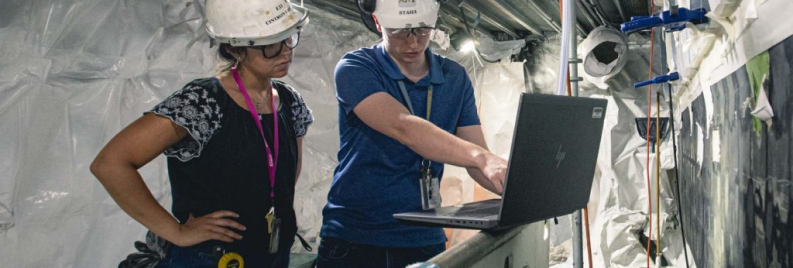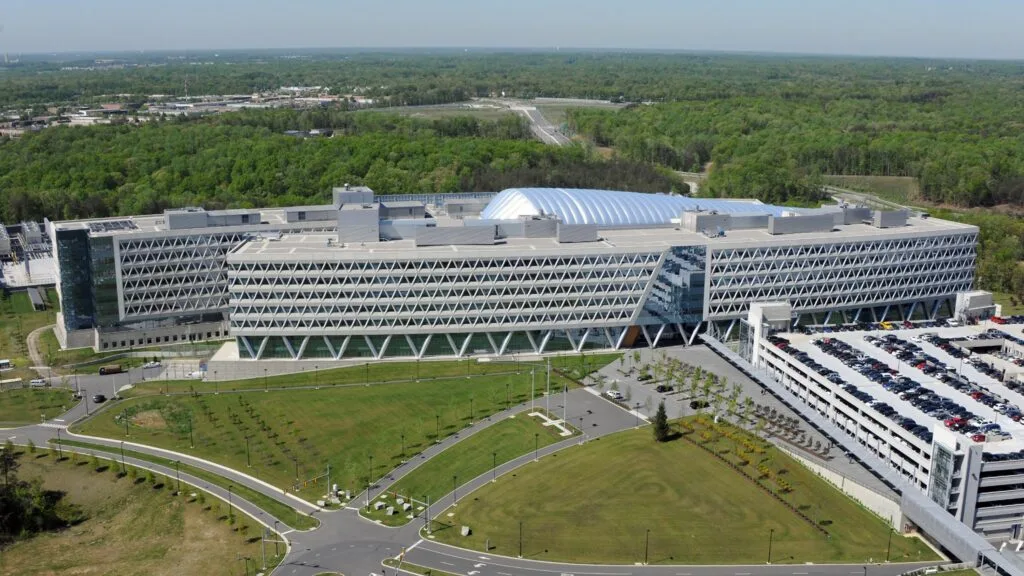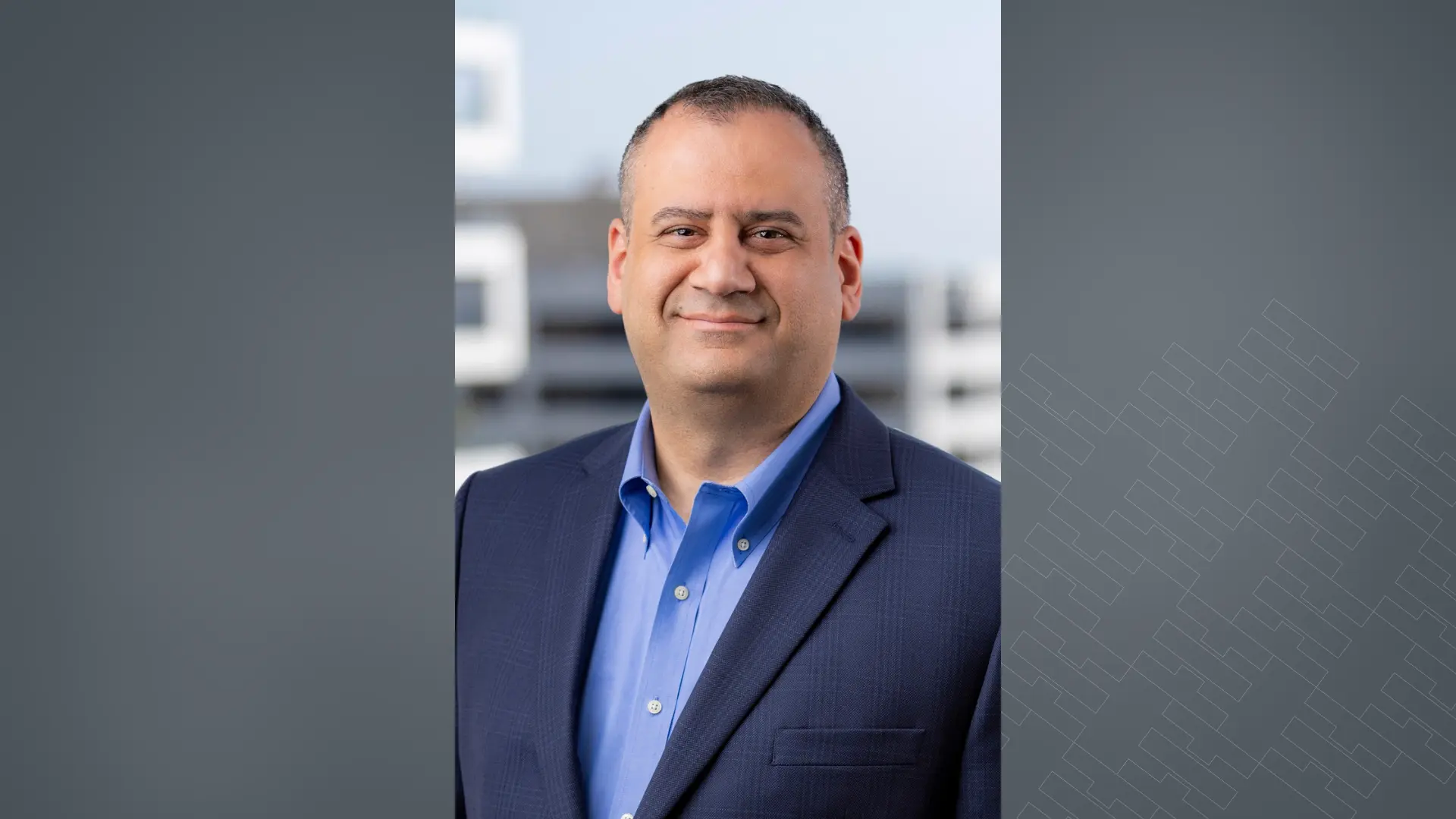


There is a building in Southern Maryland where drones fly indoors.
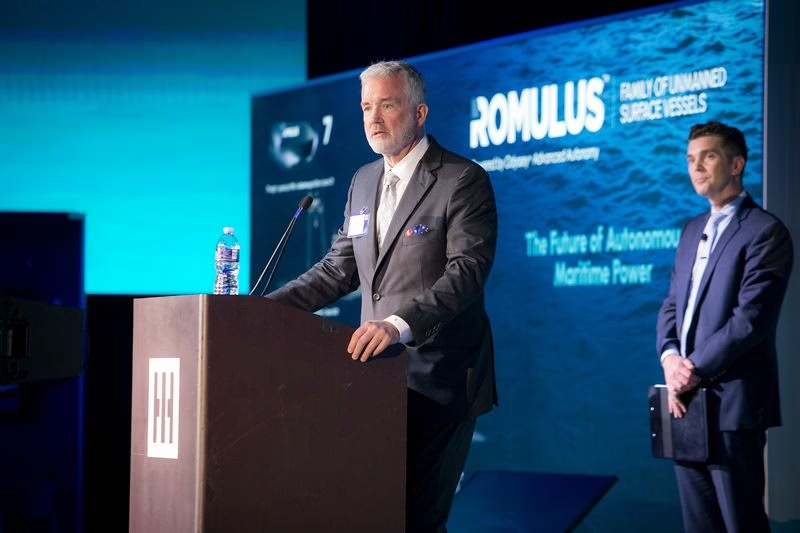
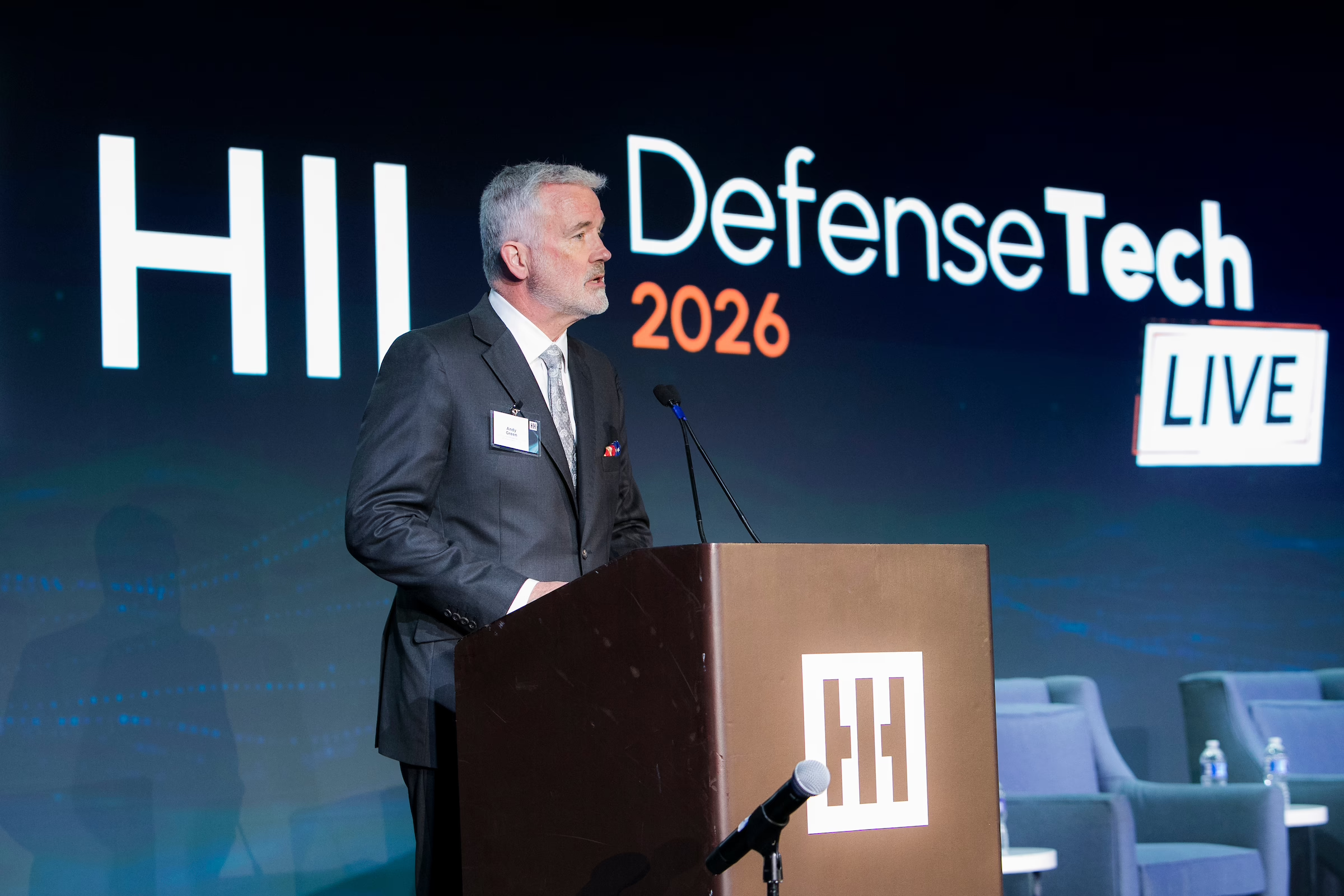
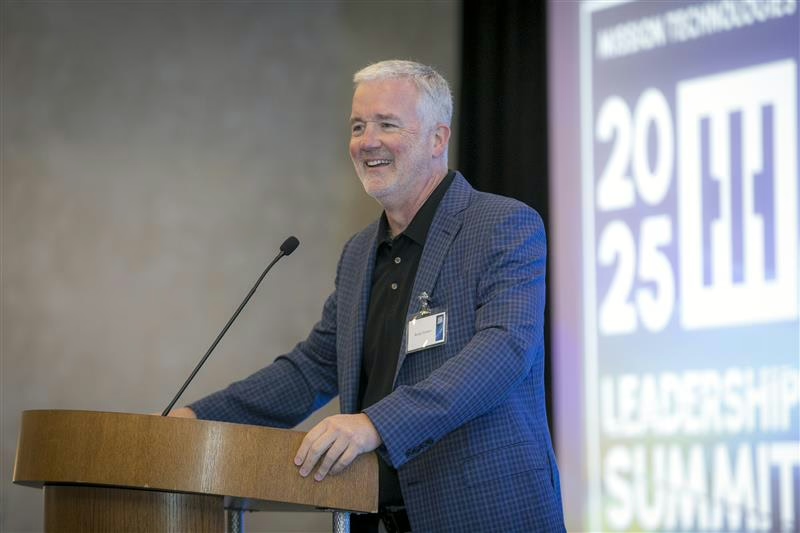
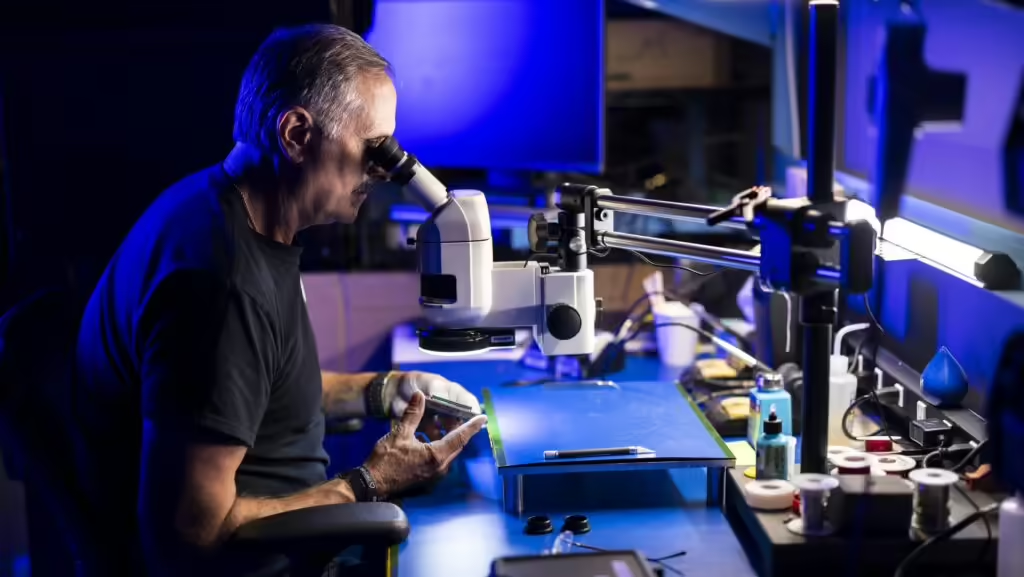
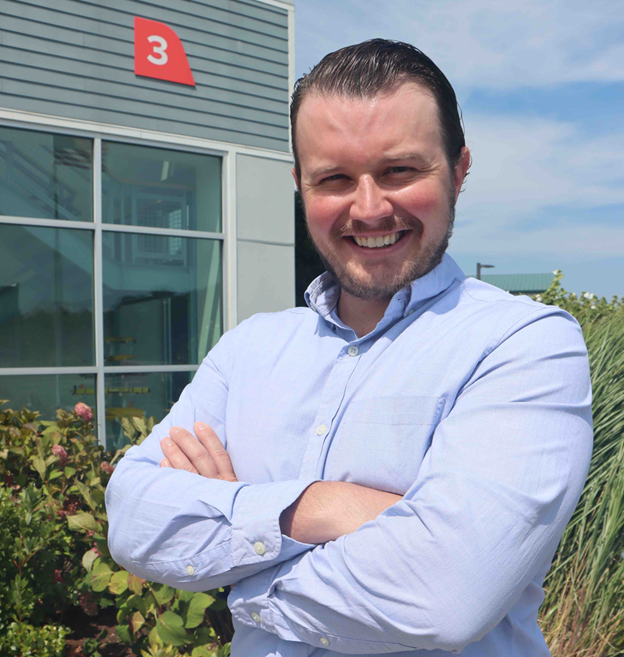
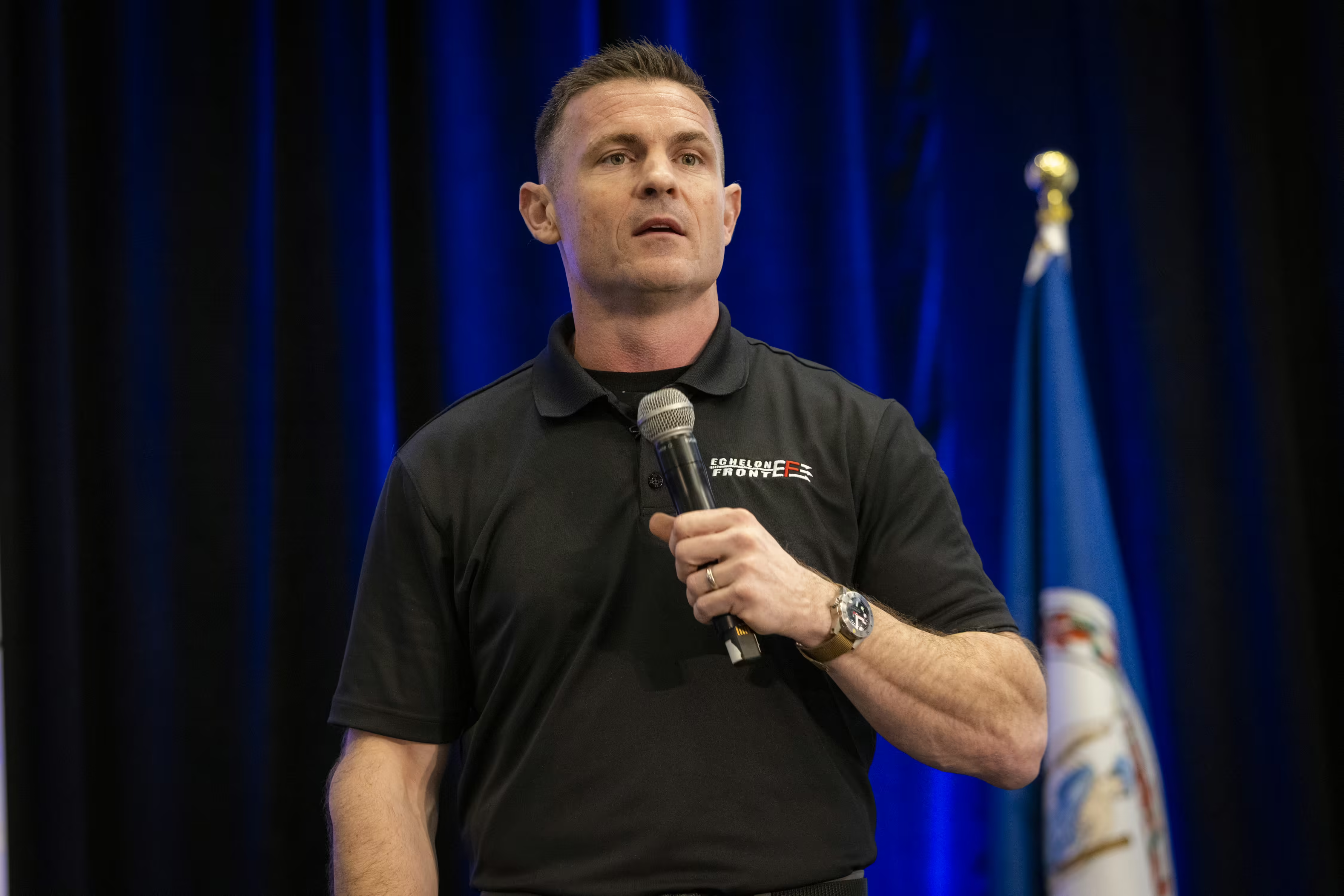
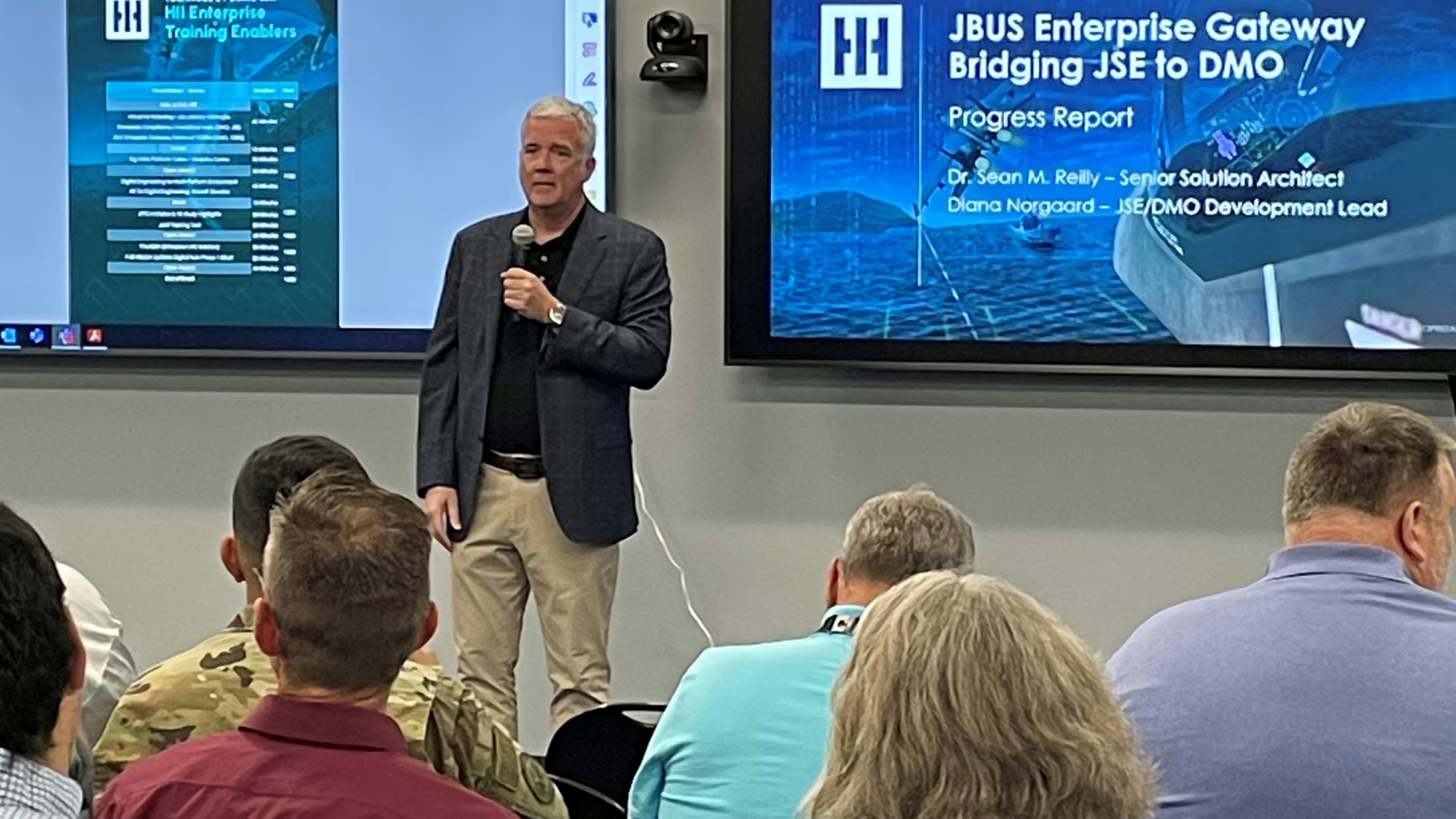
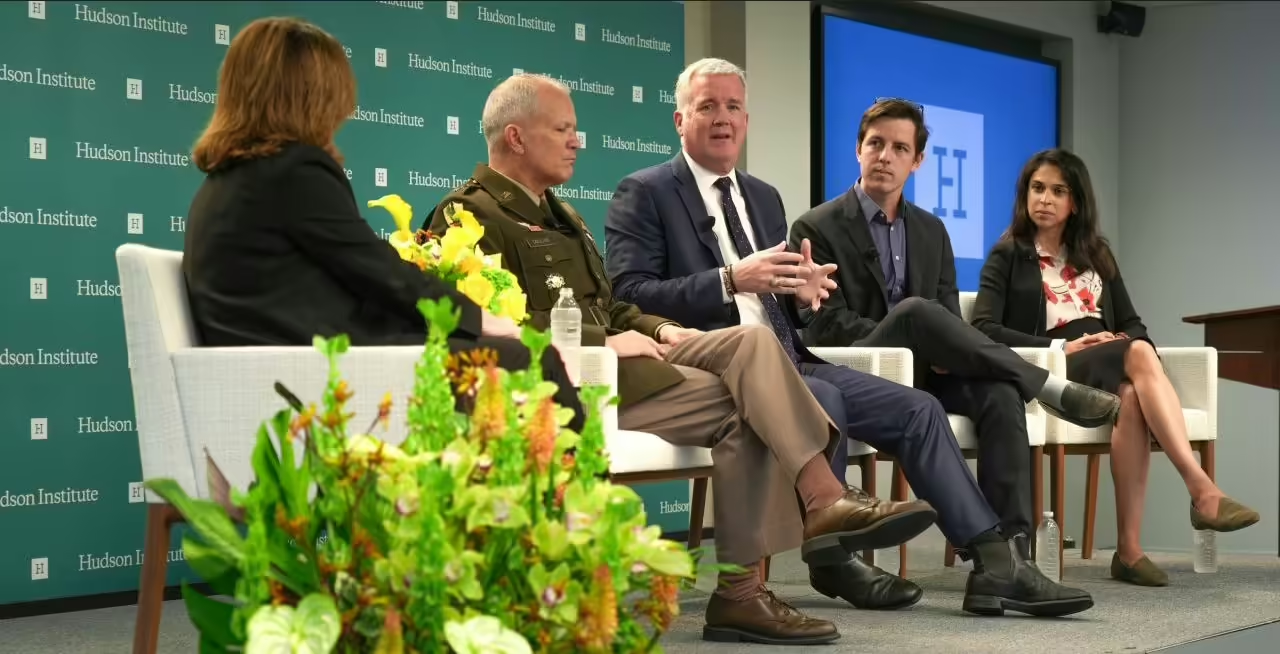
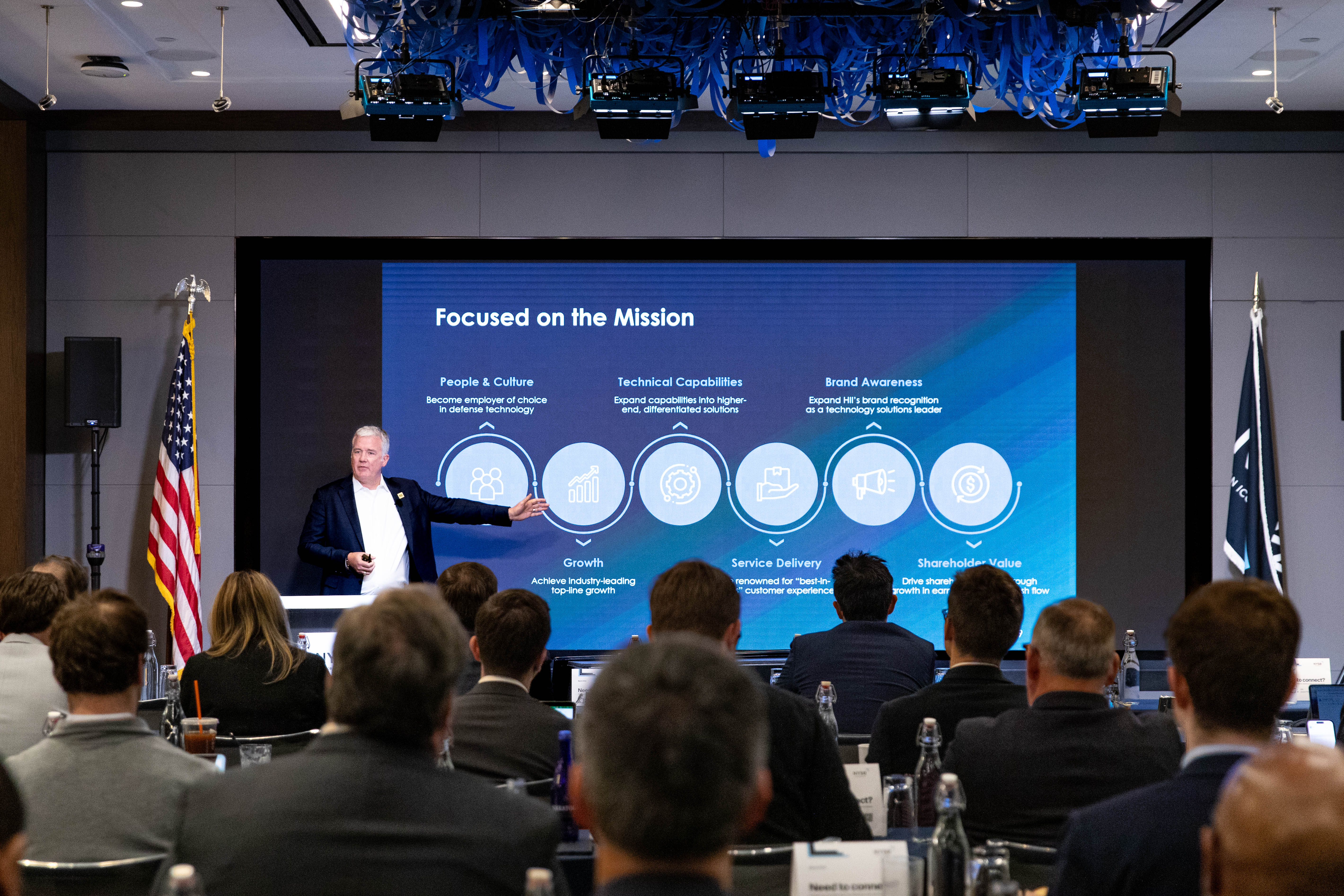
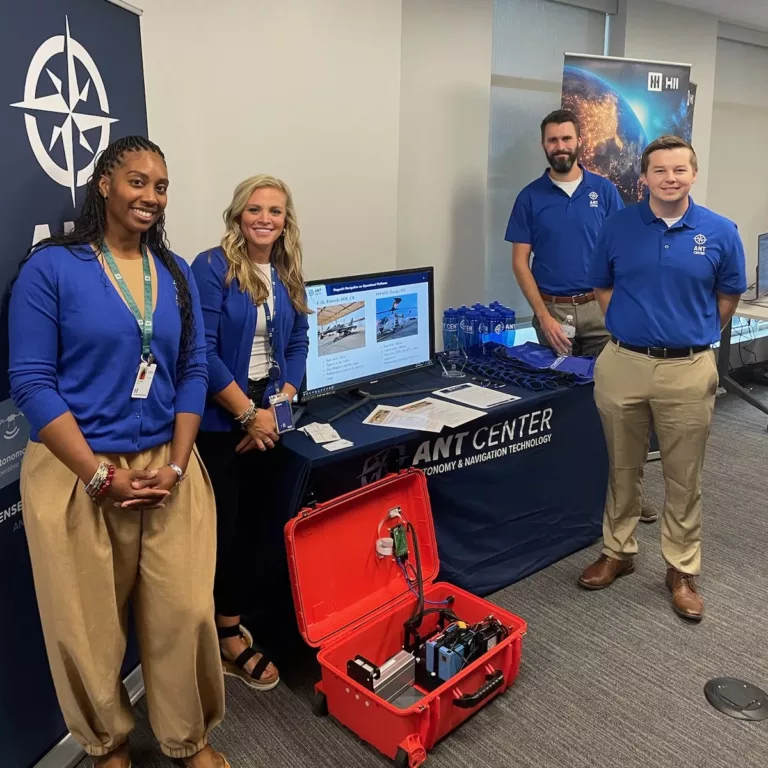
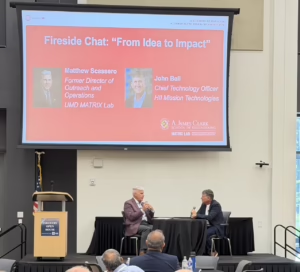
The University of Maryland’s MATRIX Lab offers a glimpse into the future of autonomous systems, with indoor drone flight space, advanced manufacturing, robotics labs, and one of the strongest controlled water currents in the state. Mission Technologies supported the Lab’s first Industry Open House on July 15, where Mission Technologies Chief Technology Officer John Bell opened the day with a conversation about building innovation ecosystems, followed by Vice President of Talent Acquisition, Nicole Goldman discussing how academic partnerships shape next‑generation talent.
The event showcased the depth of our collaboration with the A. James Clark School of Engineering and highlighted why staying close to emerging research, and the people driving it, matters for the work ahead.
Key Insight from John Bell: “Turning Ideas into Impact”
In his fireside chat, John Bell addressed the “translation gap” that keeps promising prototypes from becoming fielded solutions. His point was clear: innovation depends on proximity
— small, integrated teams of researchers, users, and industry working together to carry ideas across that gap. With autonomy research evolving every few months, staying close to academic partners is not optional. It is how we keep pace.
He’d set it up in his opening remarks that morning:
“Innovation isn’t just about invention. It’s about speed, adaptability, and the ability to transition ideas into impact quickly.”
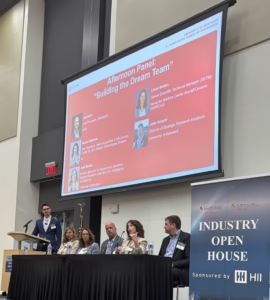
Key Insight from Nicole Goldman: “Building the Dream Team”
On the talent panel, Nicole Goldman emphasized the need for skills‑based hiring and stronger university partnerships to meet fast‑moving mission demands. Requirements often outlast the technologies they support, leaving key roles unfilled. Her message to students: internships and hands‑on experience matter, and HII is looking for what people can do, not only how long they’ve been doing it.
“Early career and university relations are critical,” said Goldman. “I would love to see us move toward skills‑based hiring and really figure out what that means so we can be faster, come up with better solutions, and support the mission.” And she was direct with the students in the room: “When a role requires specific experience, your internships and relevant volunteer work can count toward meeting those requirements. Many people don’t realize that your early experiences can help you meet — or even exceed — the Government’s minimum qualifications, but they absolutely can.”
Students Behind the Innovation
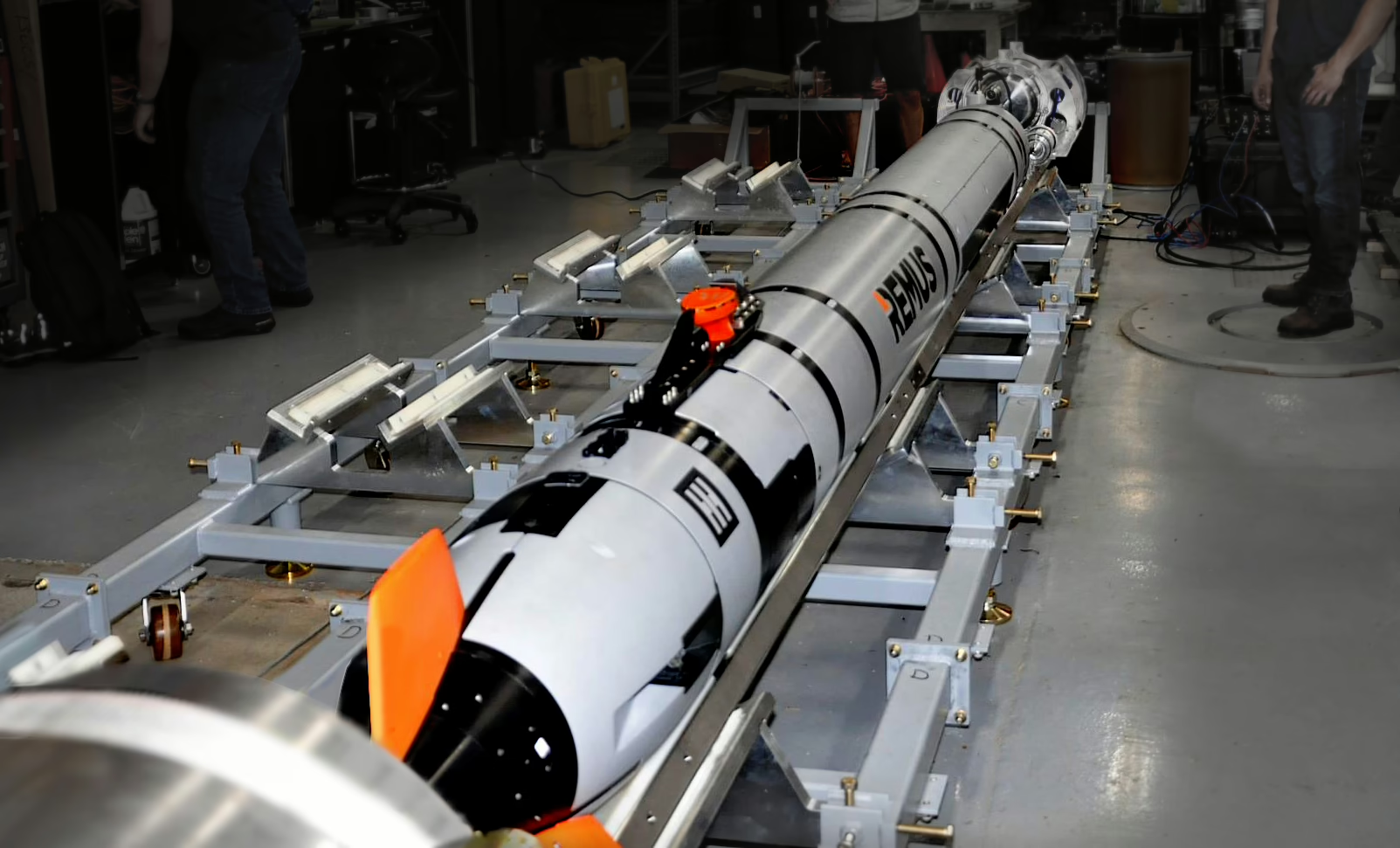
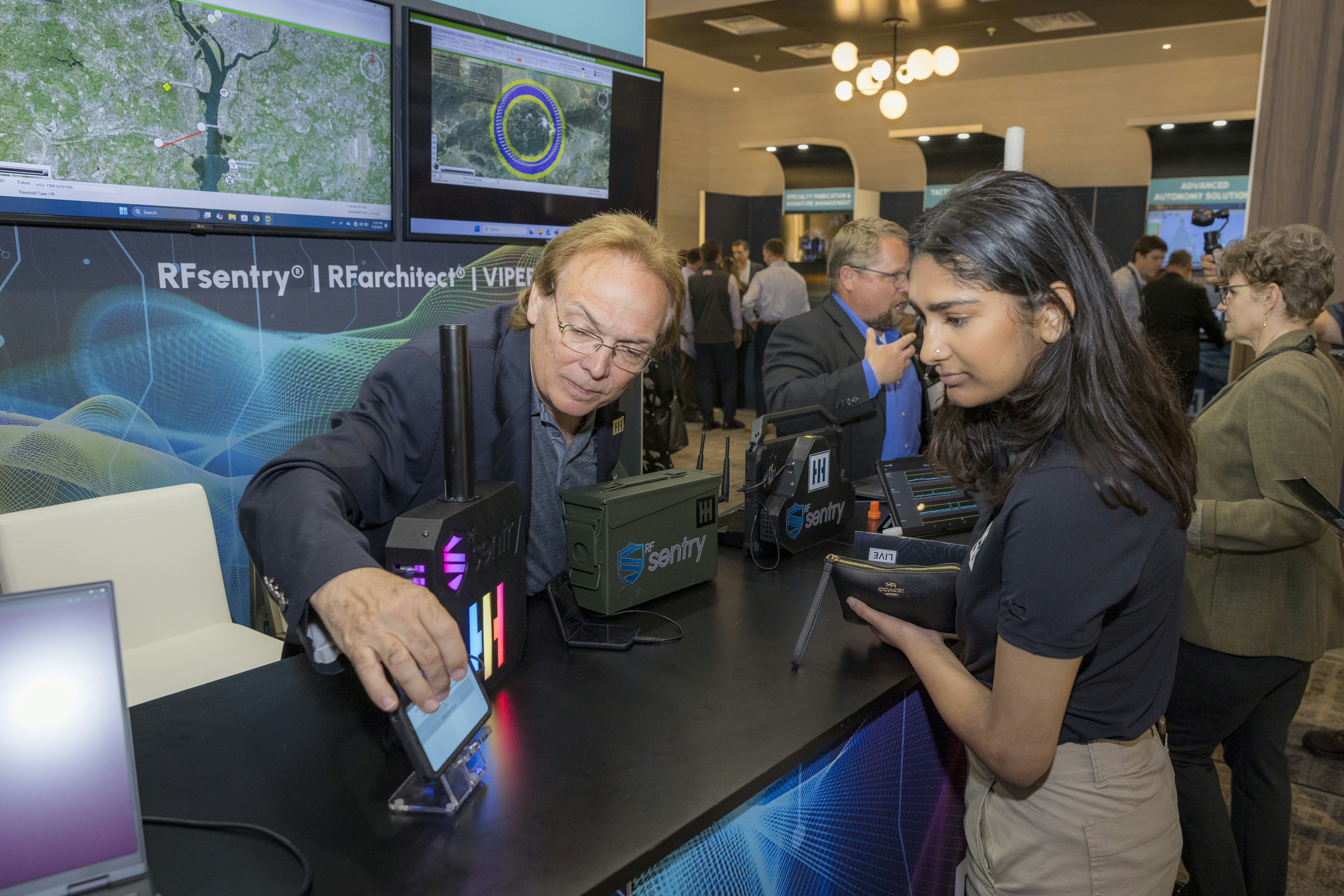
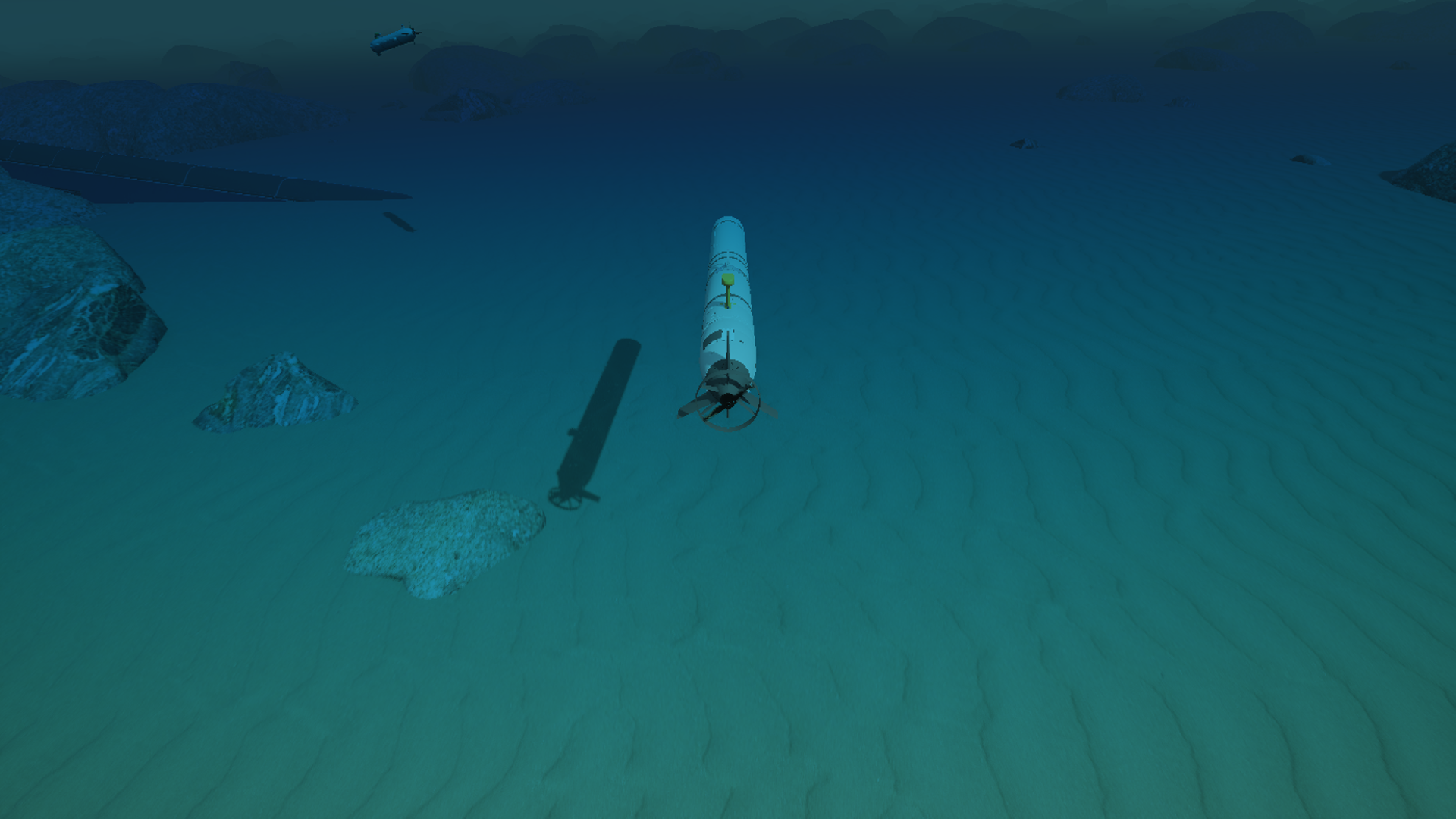
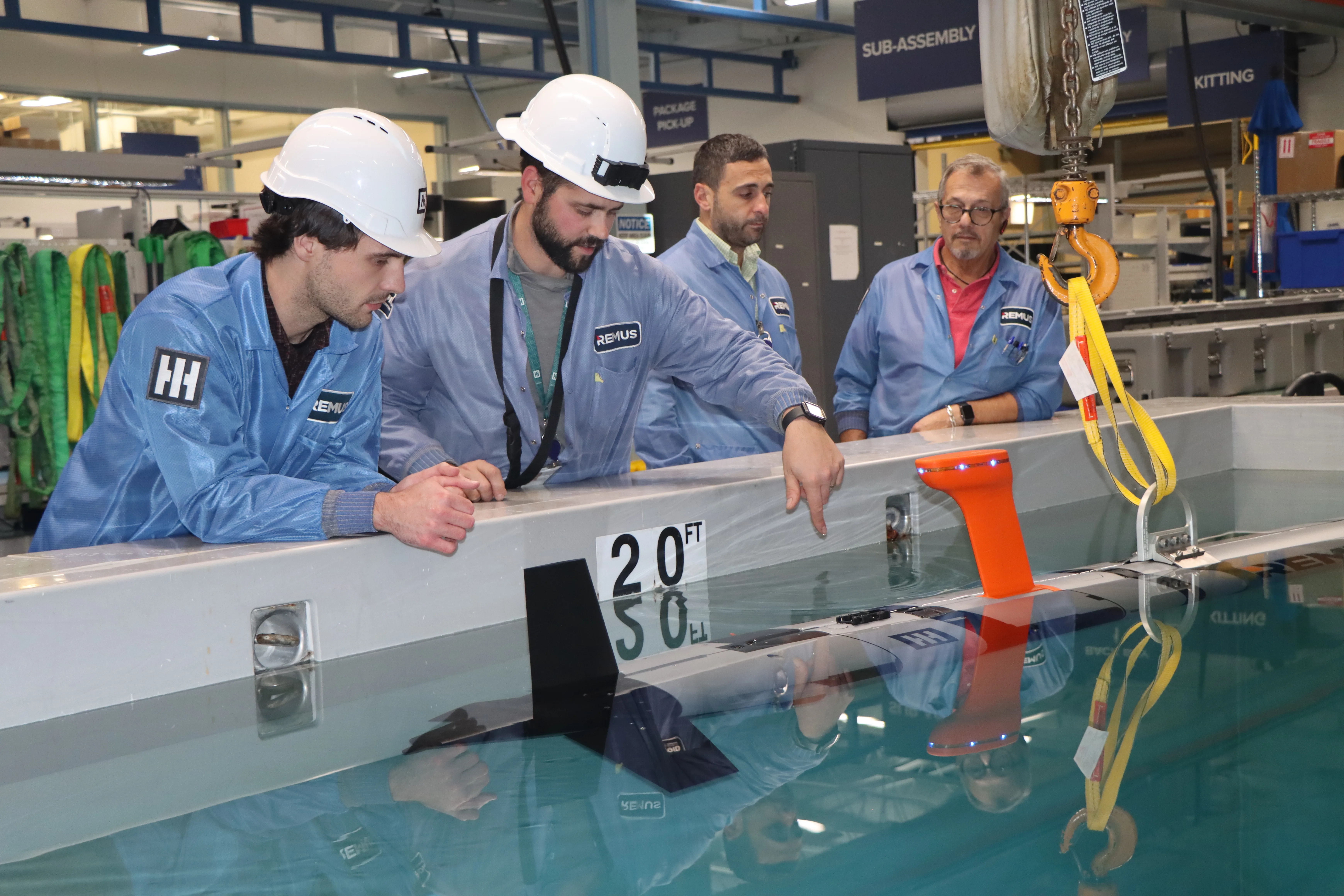
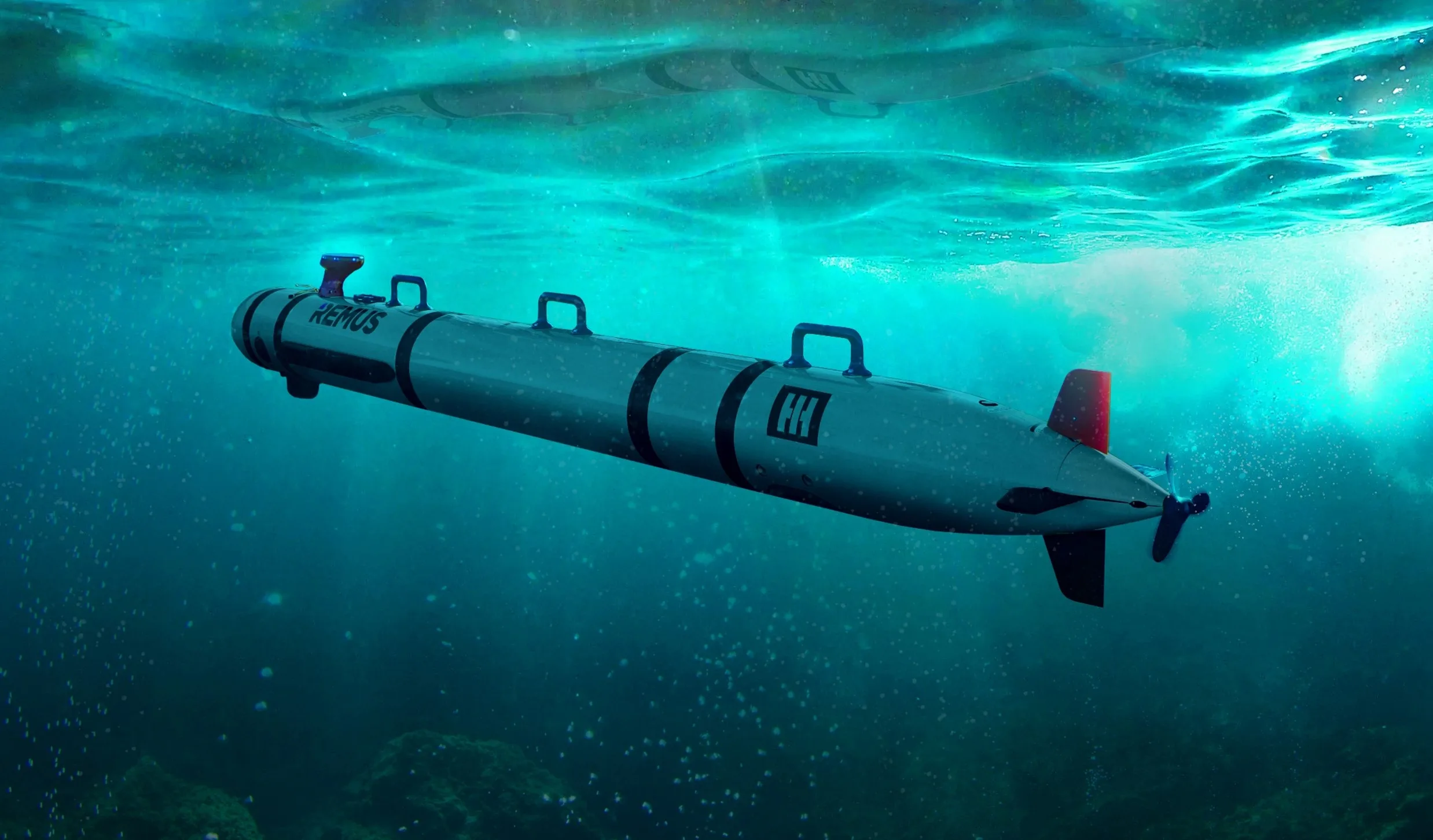
The demo floor highlighted the imagination and capability of UMD students and interns. Projects included a robotic wagon designed to support mobility, an ingestible biomedical device, underwater robotics for sustainable aquaculture, and precision drone operations in the OASIS lab. Each project showcased how meaningful solutions start with a person, a problem, and access to the right resources.
Proximity to this kind of innovation, and to the people driving it, is invaluable.

You Can Be a Part of This Too
Employees can engage directly with the UMD partnership through various channels:
- Attend one of the Engineering Futures Colloquium Series, Sponsored by HII.
- Use MATRIX Lab facilities for professional projects. send a statement of work to matrix@umd.edu
- Partner on joint research proposals with MATRIX faculty and their teams.
- Share your expertise by speaking at Evening@SMART, mentoring students, judging competitions, or engaging during poster sessions.
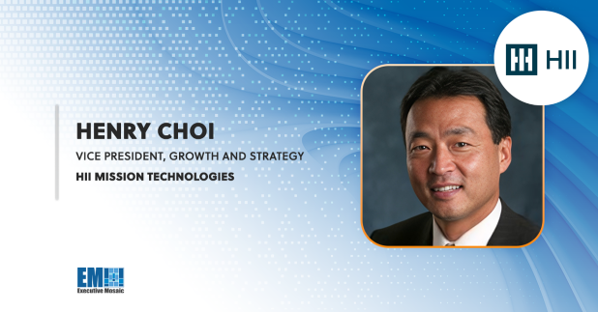
Garry Schwartz, HII Mission Technologies chief operating officer, was named to the MATRIX Lab’s industry advisory board as part of Mission Technologies joining UMD’s Corporate Partners Program. Read the press release in HII’s Newsroom.