

Some jobs come with a manual. Some come with a classroom. But some you learn by getting your hands on the equipment, watching the people who have done it before and figuring things out as you go.
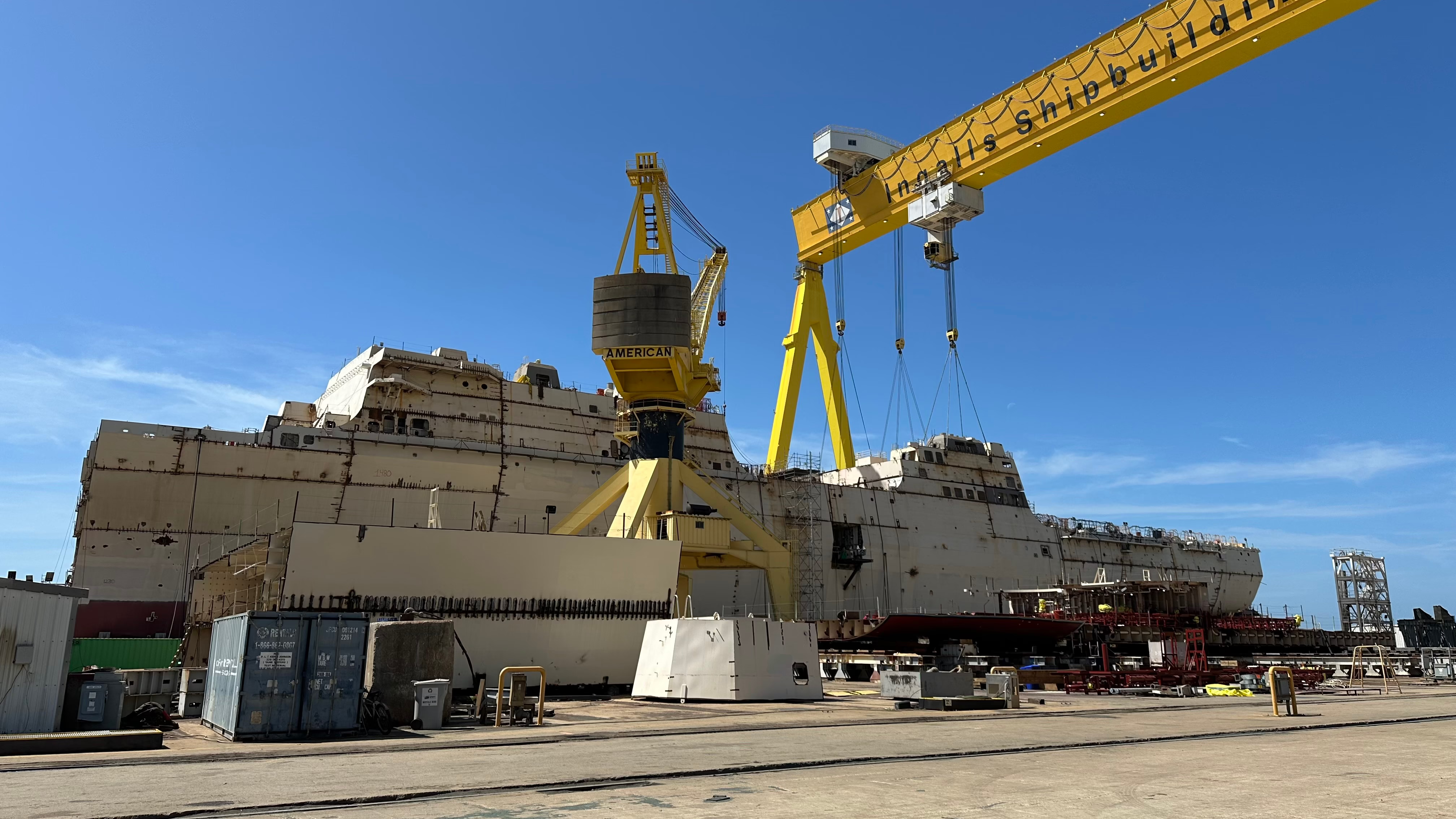
Refurbishing a 300-ton crane is one of those jobs.
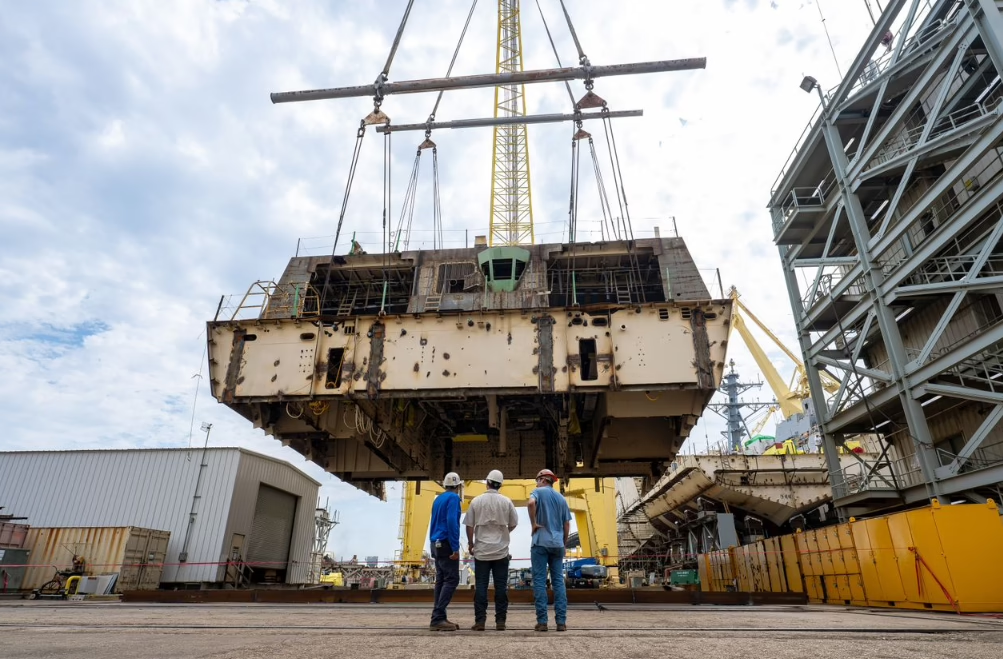
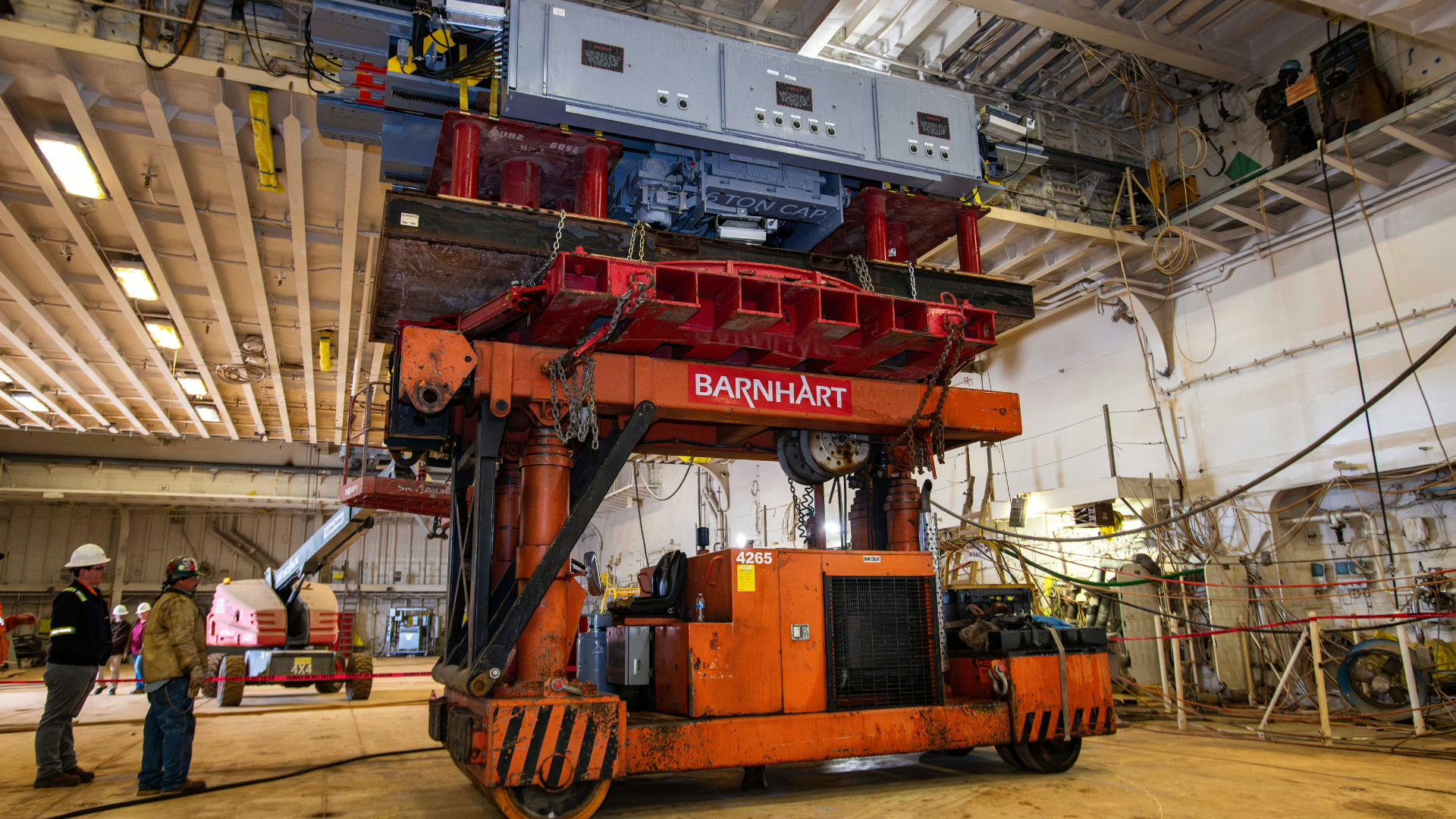
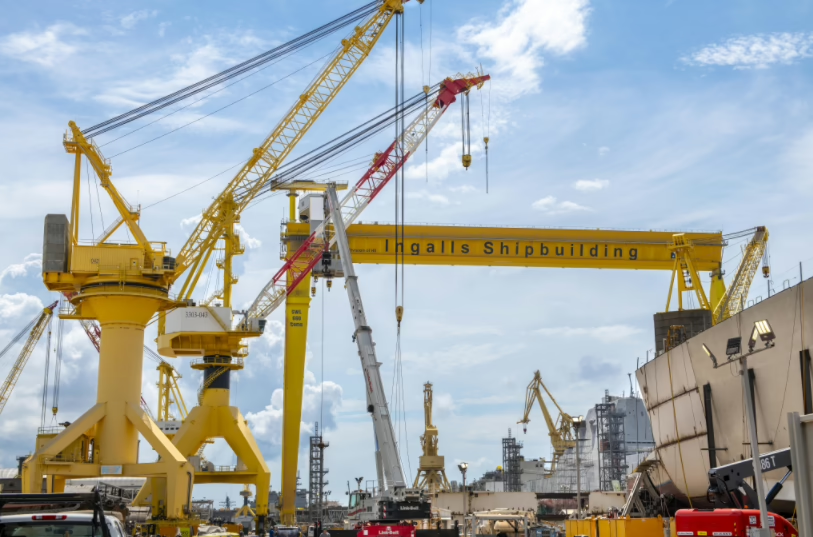
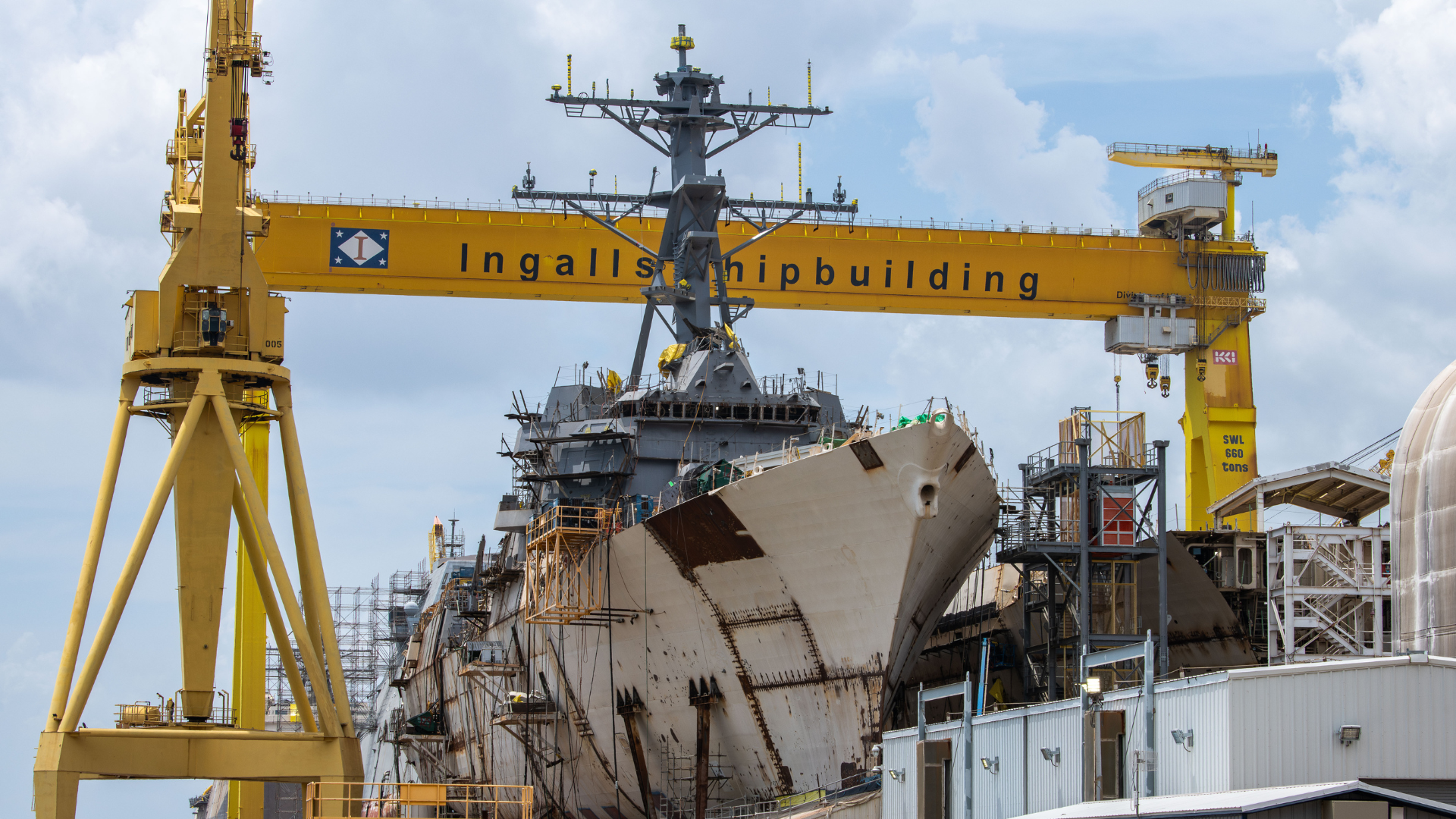
For the Transportation Maintenance team, Crane No. 42 is almost ready to go back to work.
The crew recently finished major upgrades to the crane. Once it passes the load test, it will be released back to production.
LEADING THE WORK
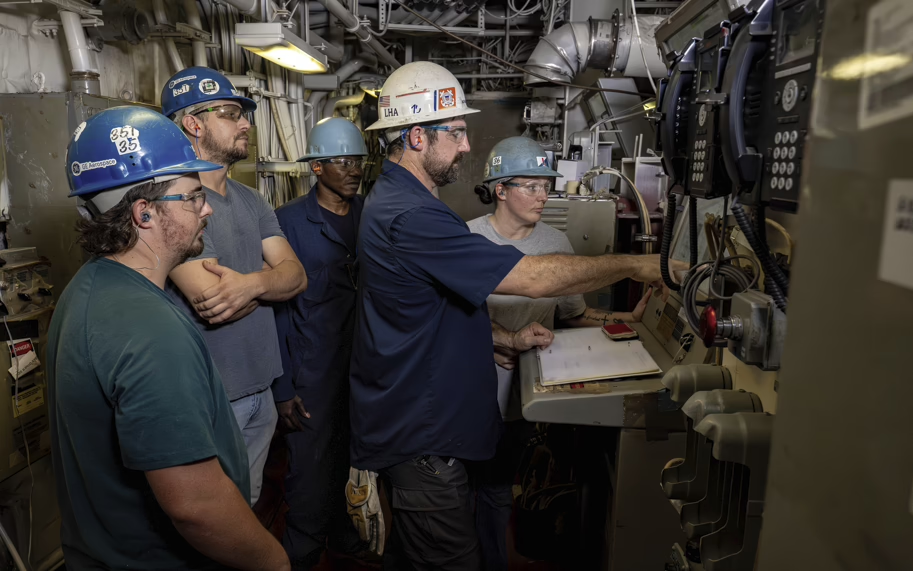
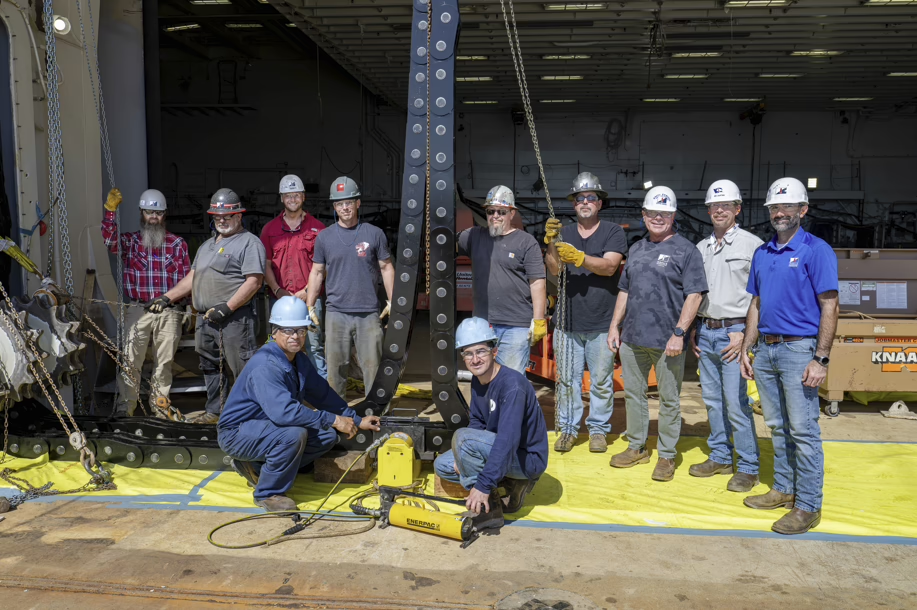
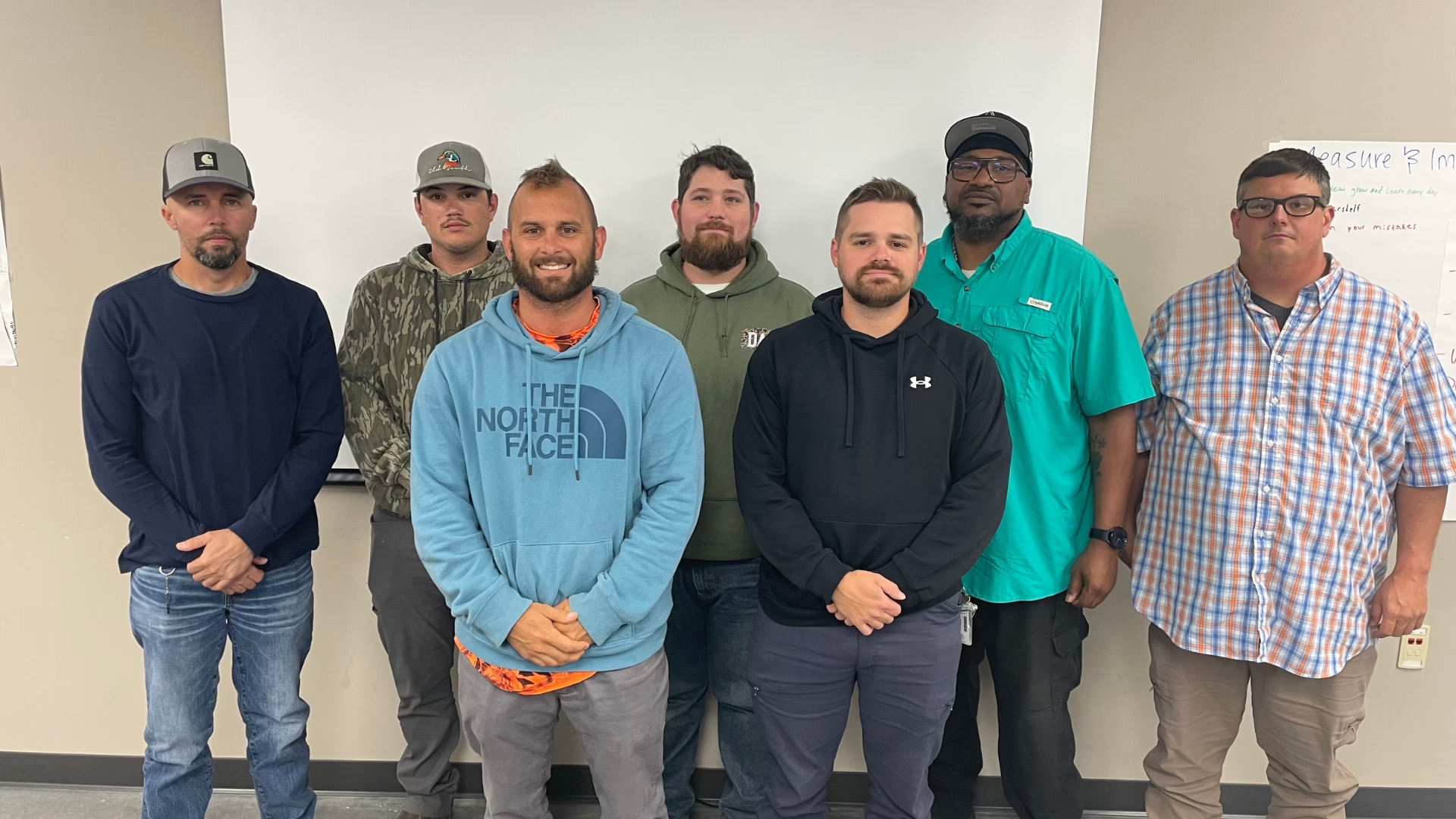
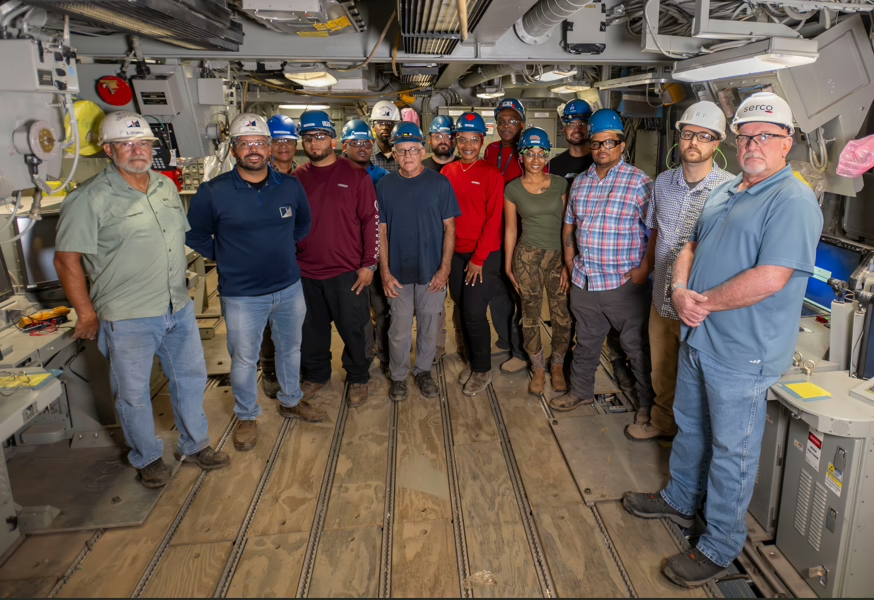
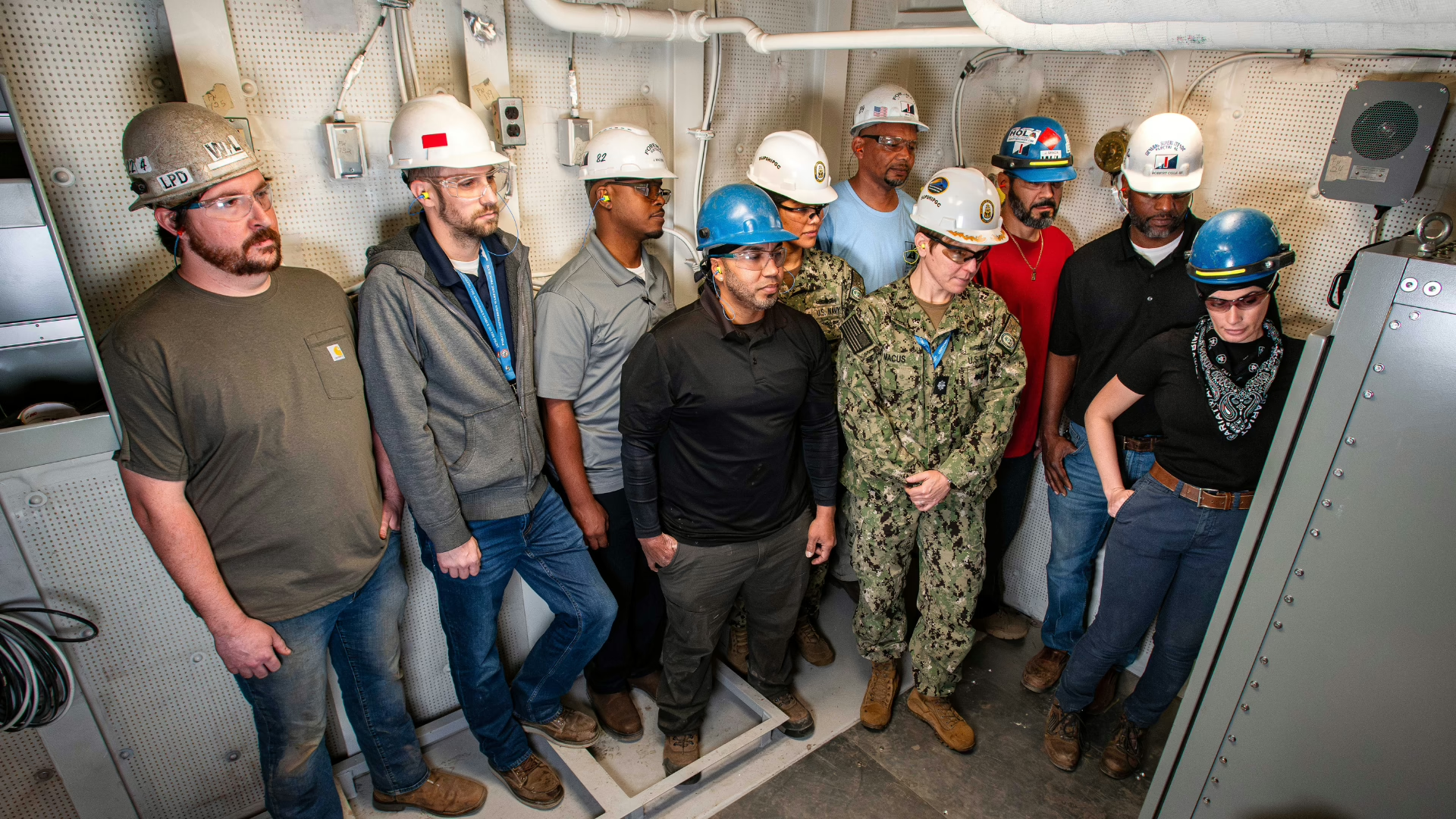
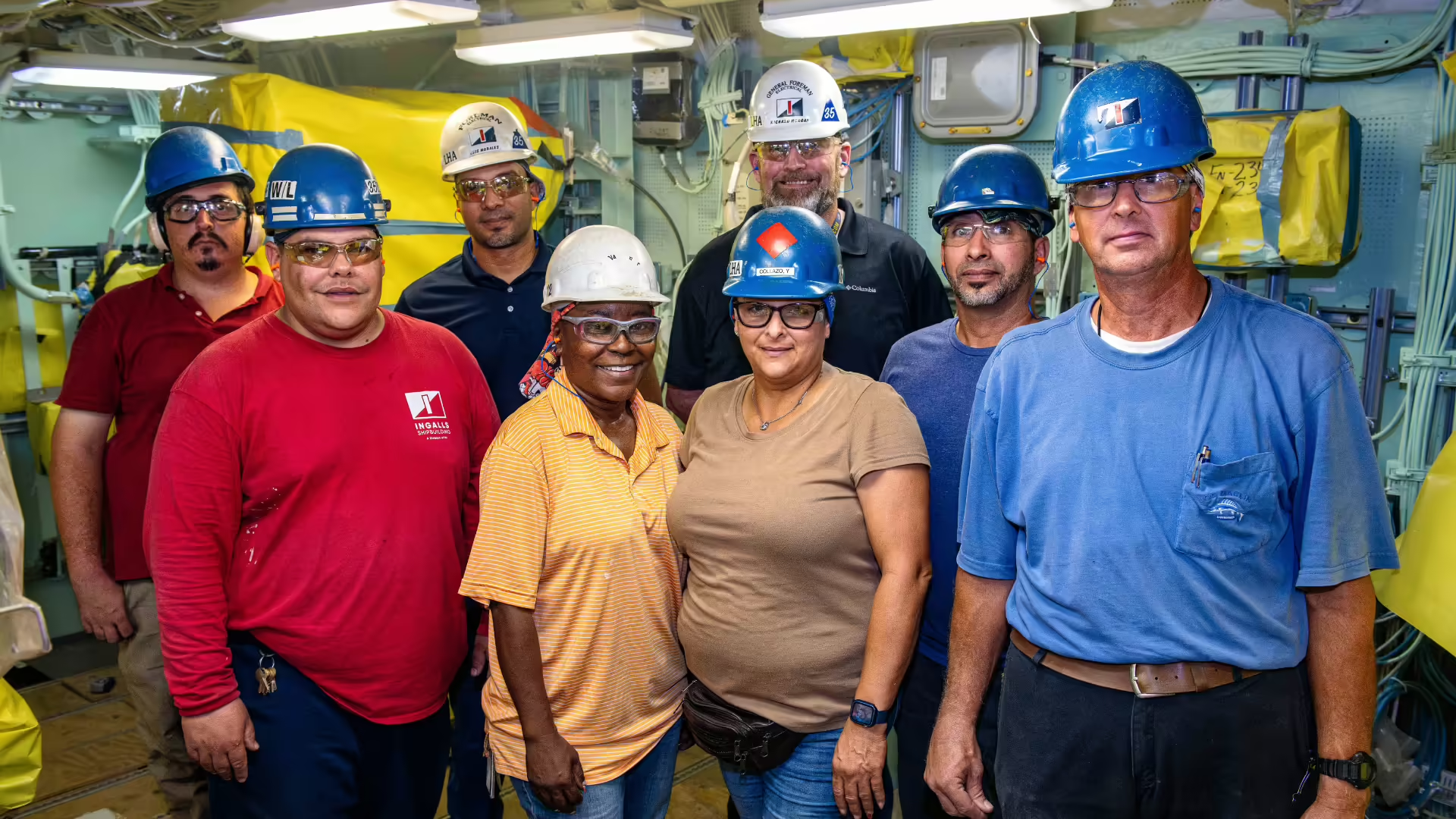
Getting it to that point has taken months of work from Facilities Engineering, Heavy Equipment Technicians, Maintenance Electricians, Machinists, Riggers, Crane Operators and outside vendors.
The work is as big as the crane itself.
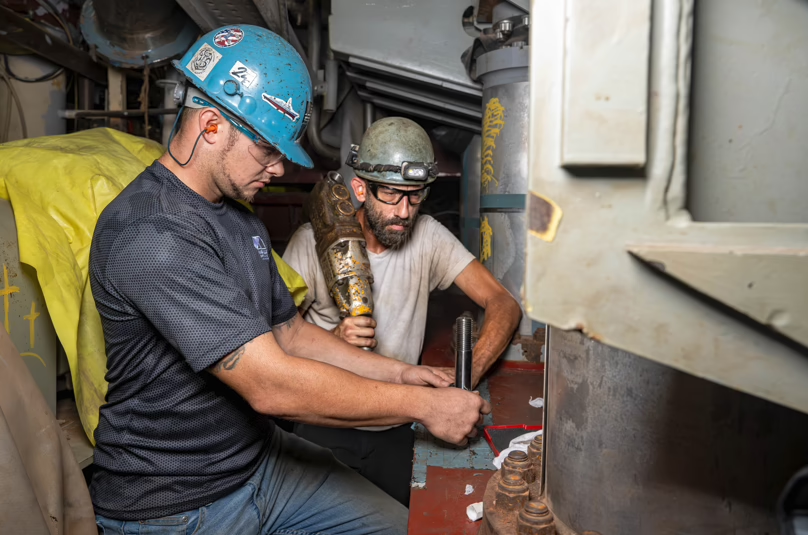
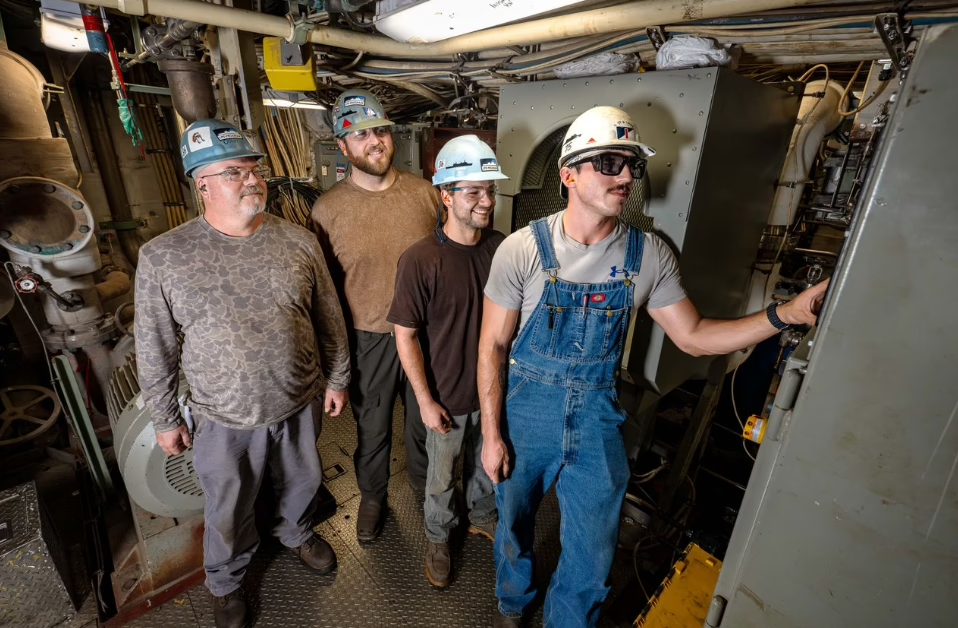
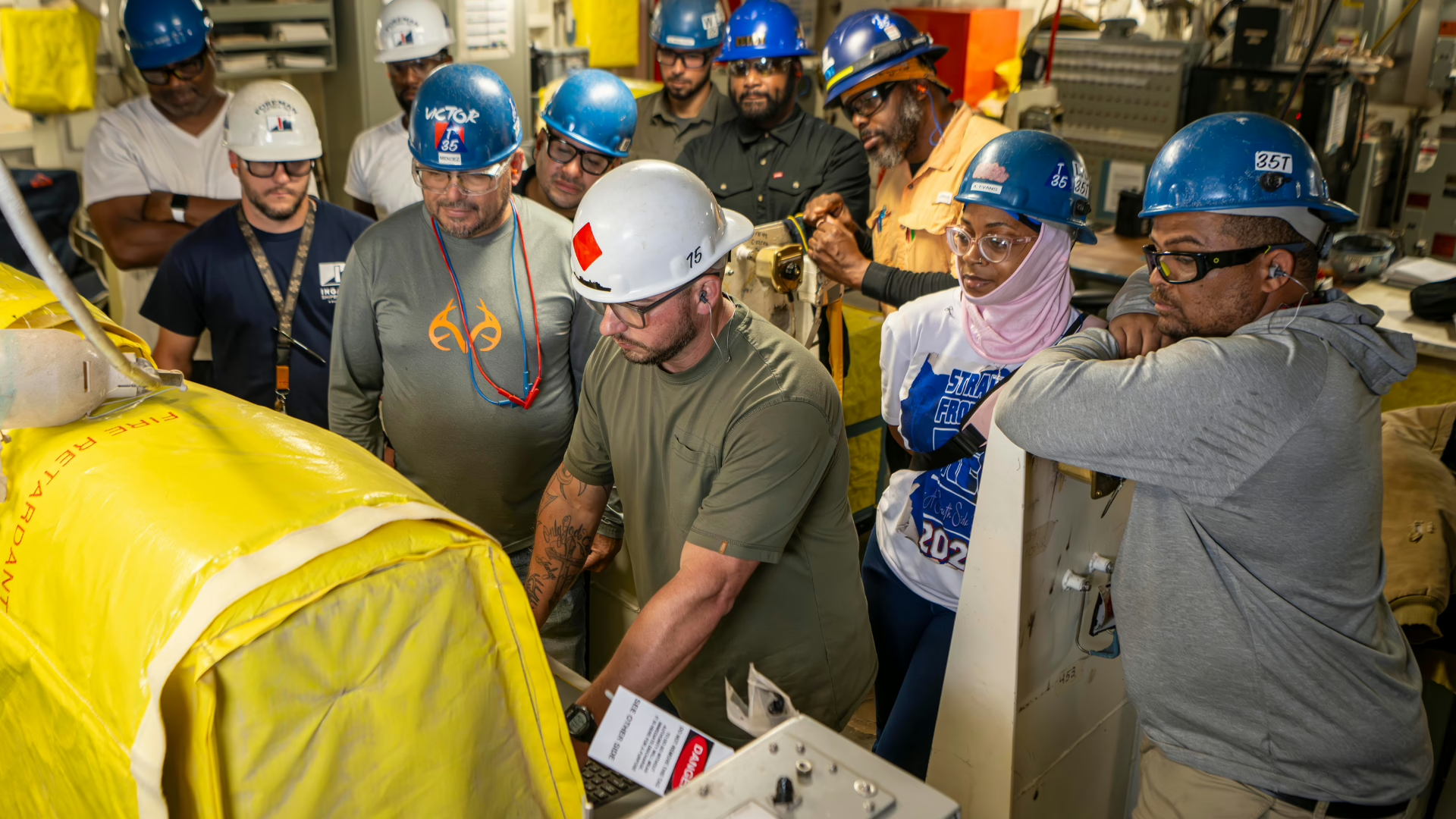
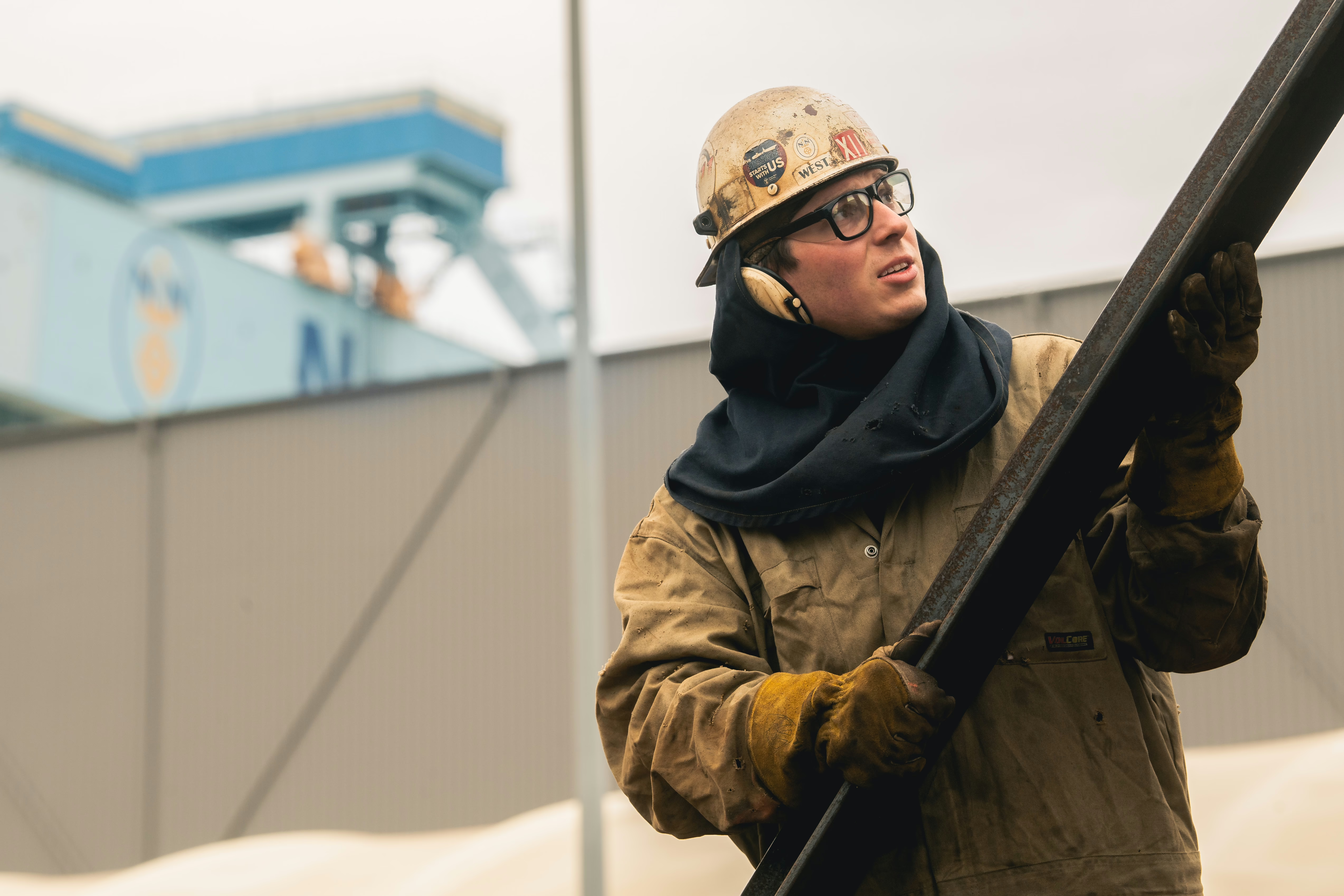
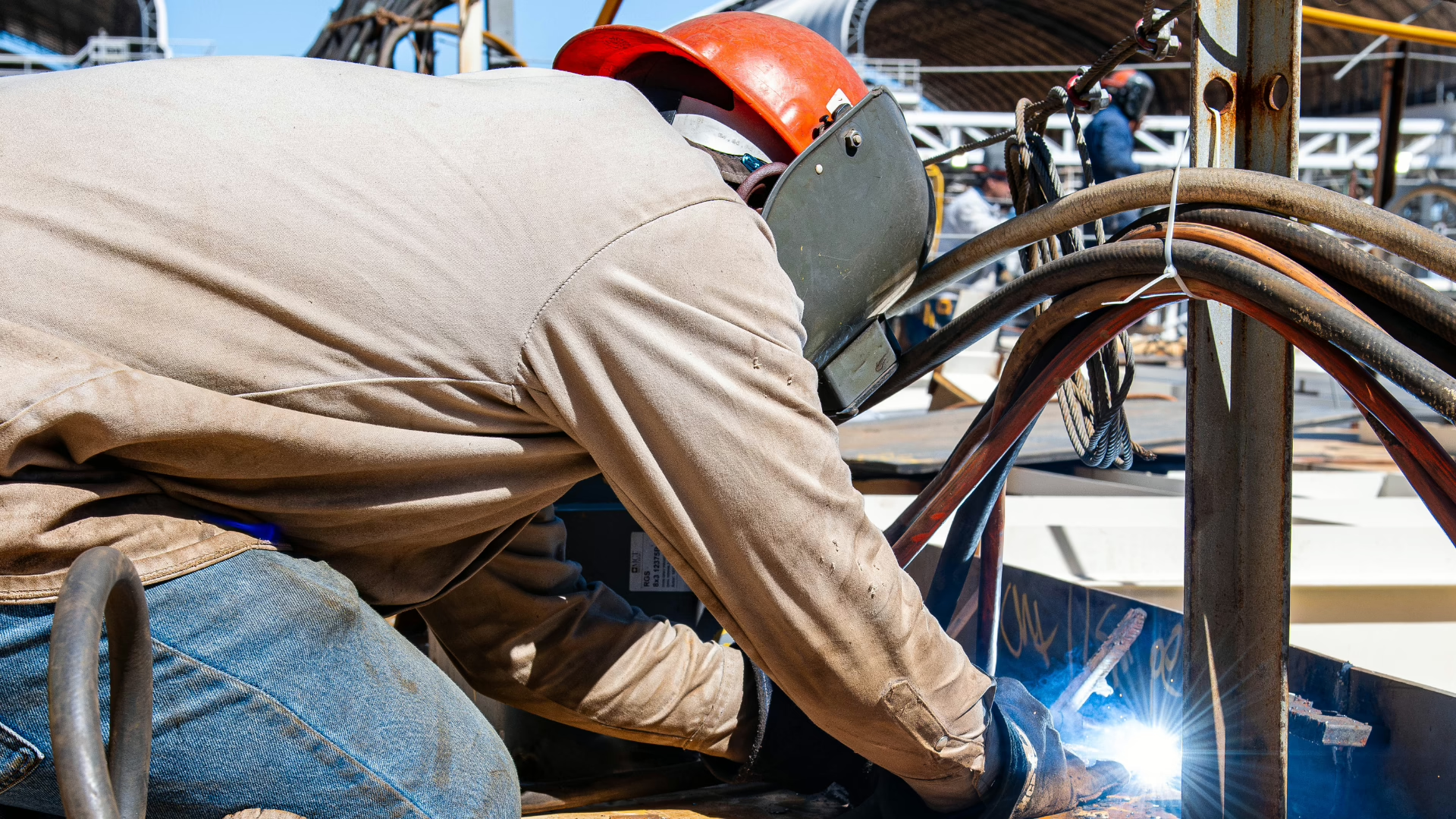
Heavy Equipment Technicians have installed travel gears and motors, overhauled the engine and made sure the crane’s wire ropes were correctly reeved. They’ve also had a hand in putting the crane house and boom back together, work that often means spending long hours at height.
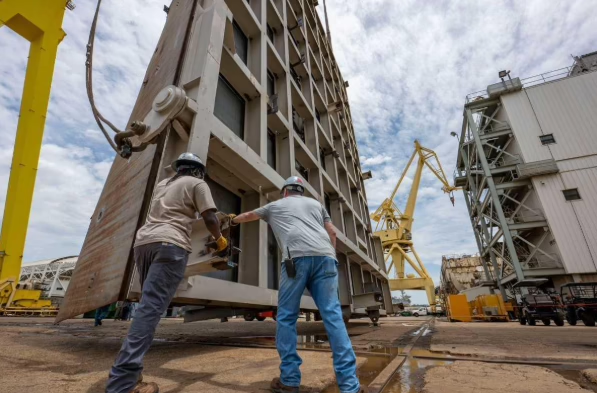
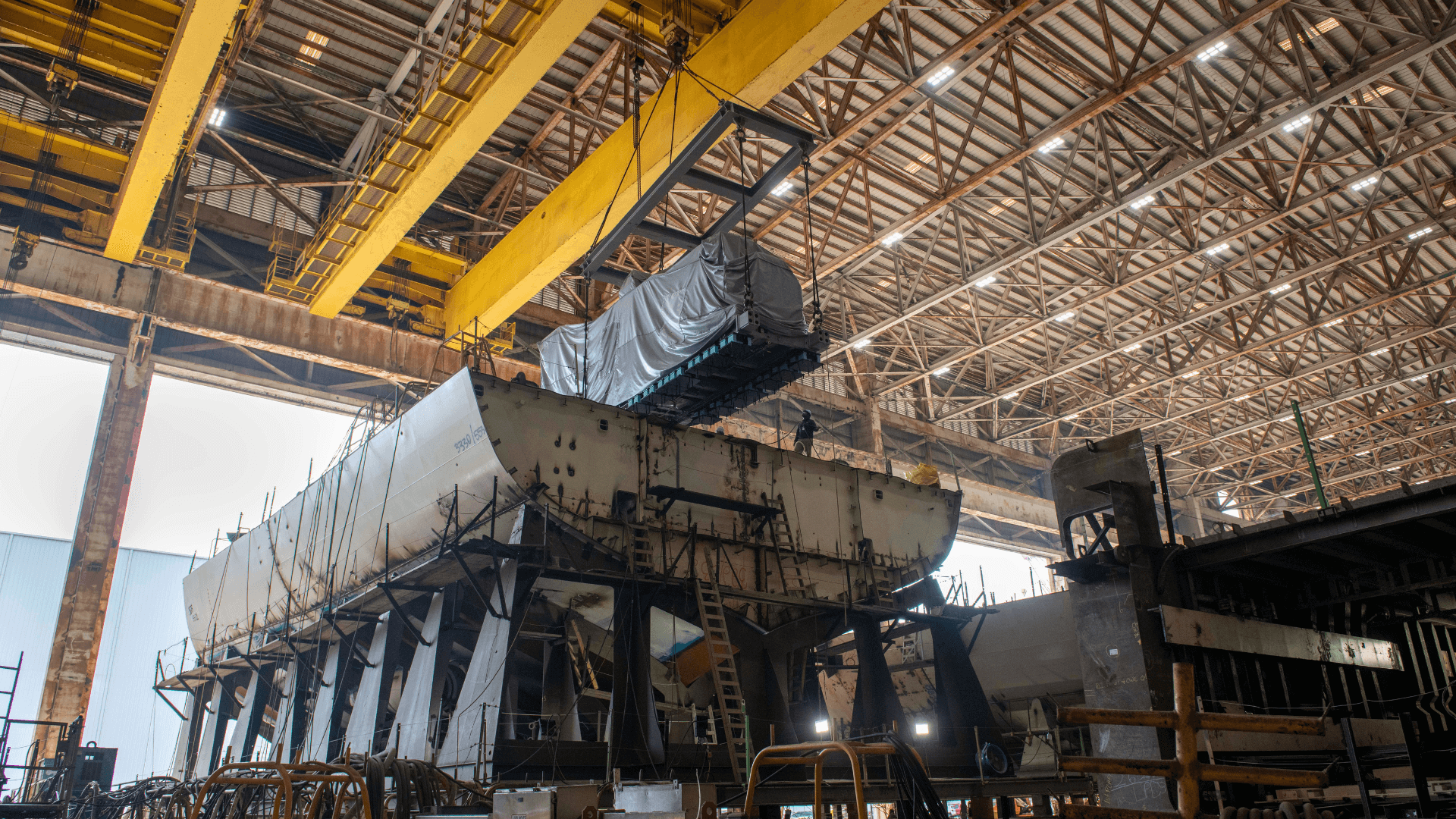
Riggers, along with crane operators, provided the lifting, handling and positioning support required throughout the project. Their skill and assistance were essential to safely disassembling, rebuilding and reassembling the crane.
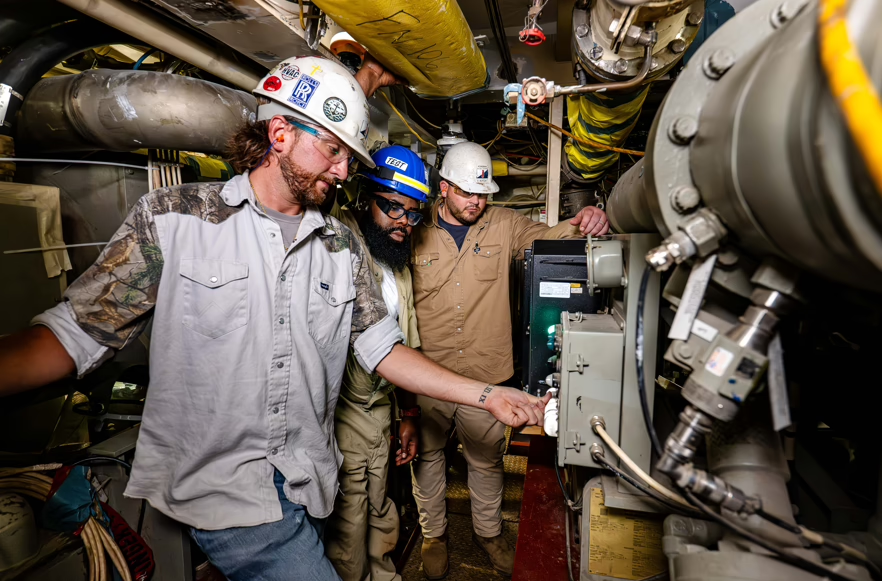
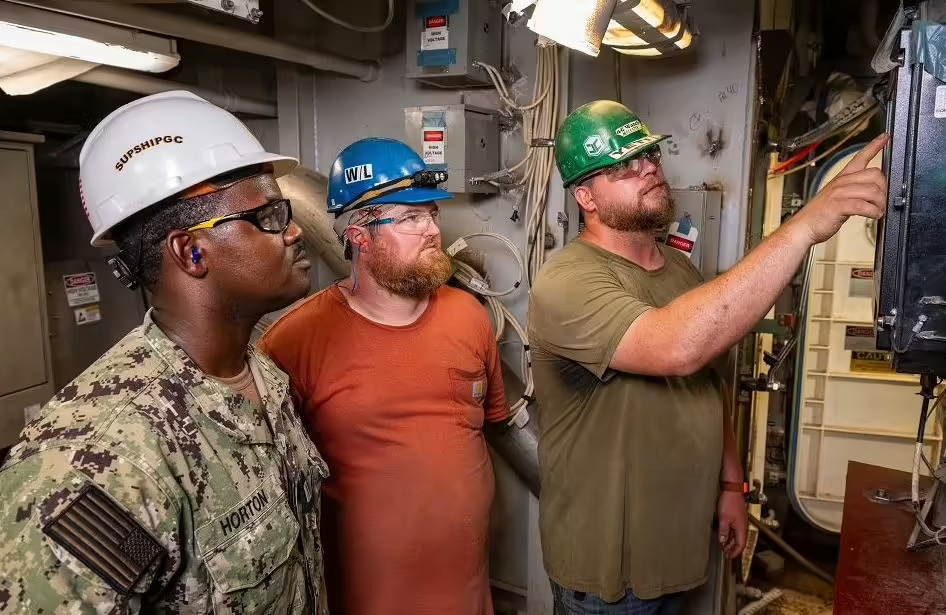
Maintenance Electricians disconnected and reinstalled electrical components, updated parts of the control system and tuned the drives.
Crane 42 needed more than electrical work. Significant corrosion had to be addressed, worn mechanical components were repaired or replaced, the complete control system was repaired and tested, and all of the swing rollers were removed and replaced.
Installing the swing rollers on the crane was a first for Ingalls.
CREATING THE SOLUTION
Sometimes, the hardest part is finding the part you need.
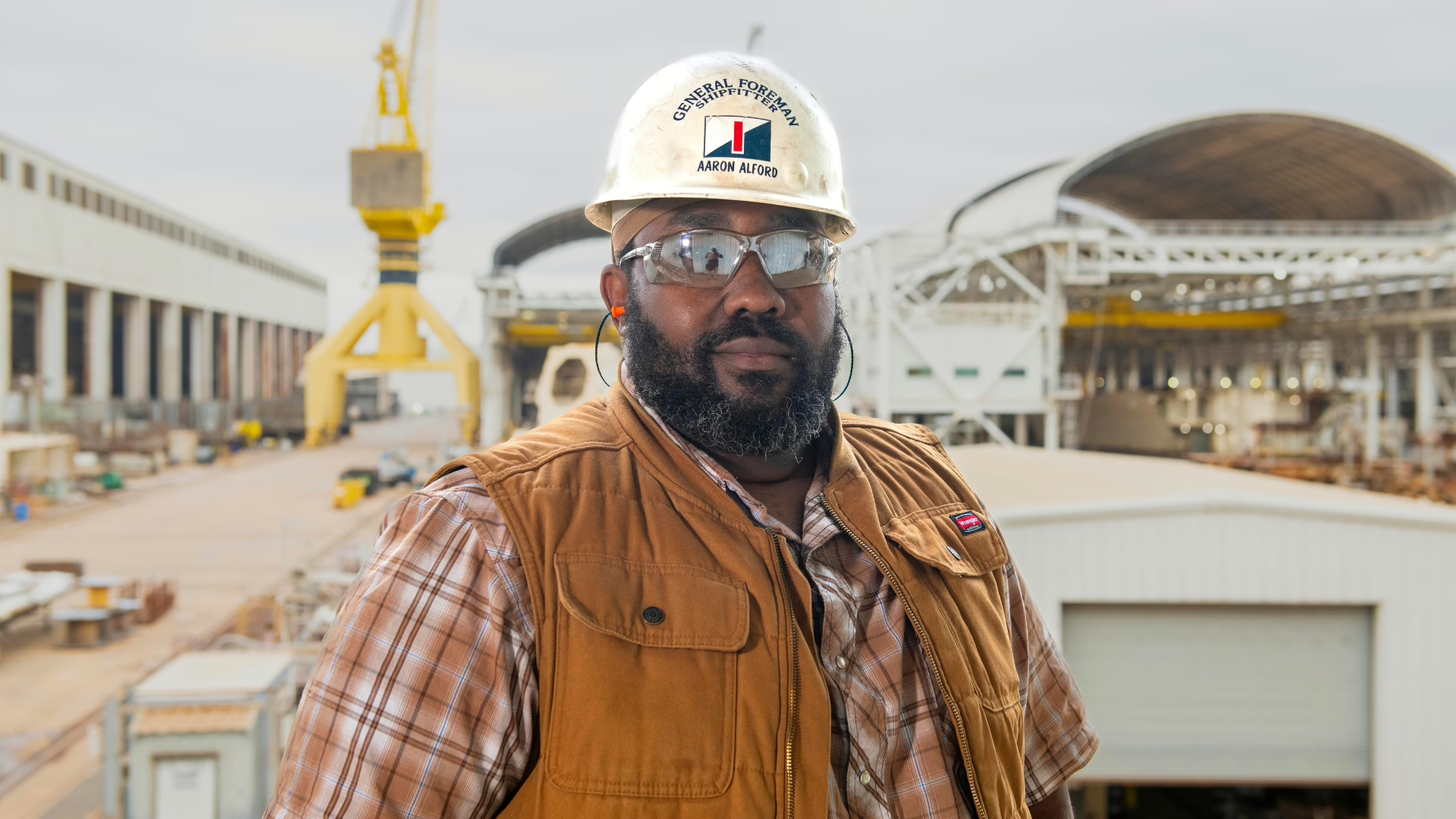
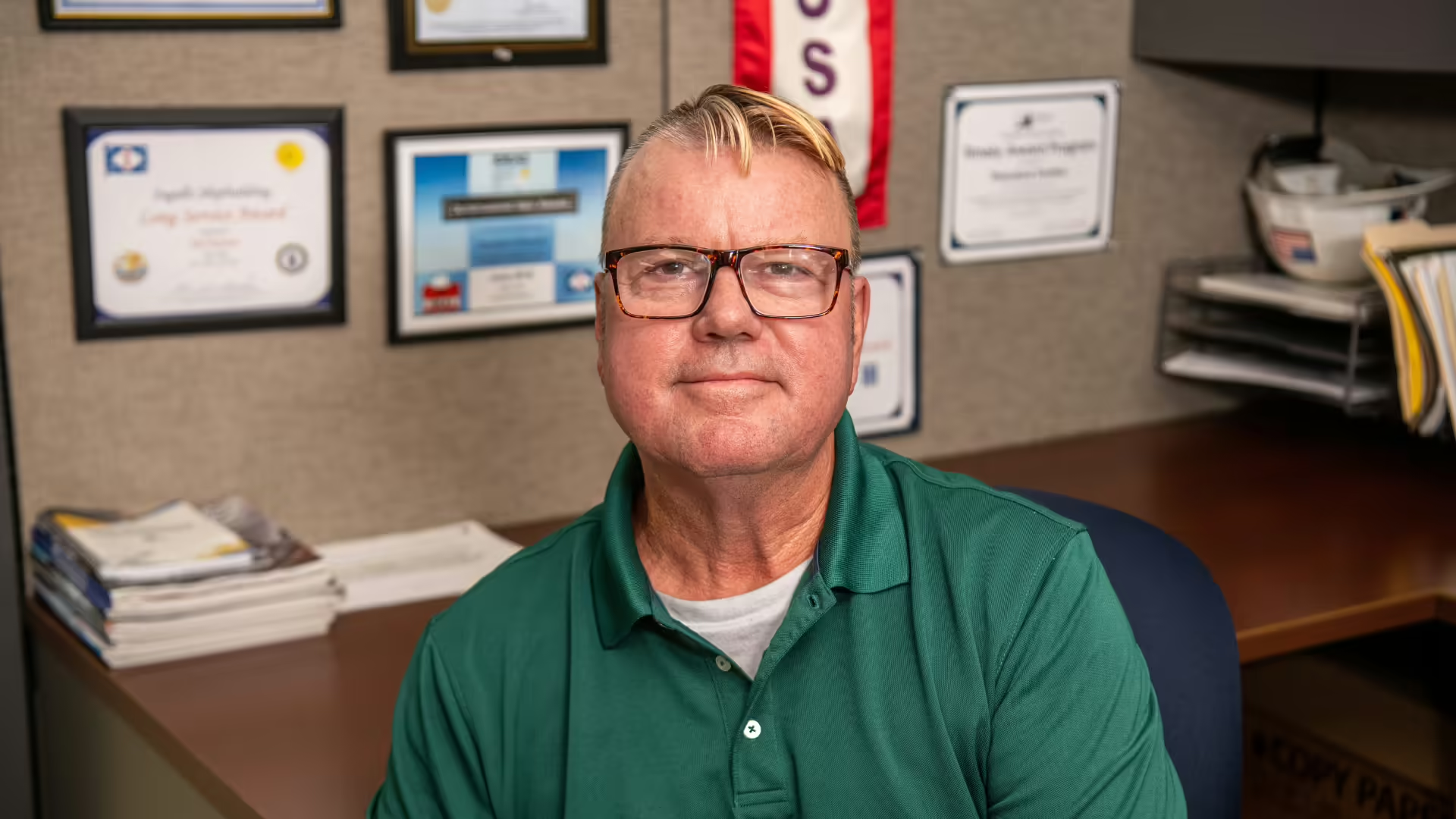
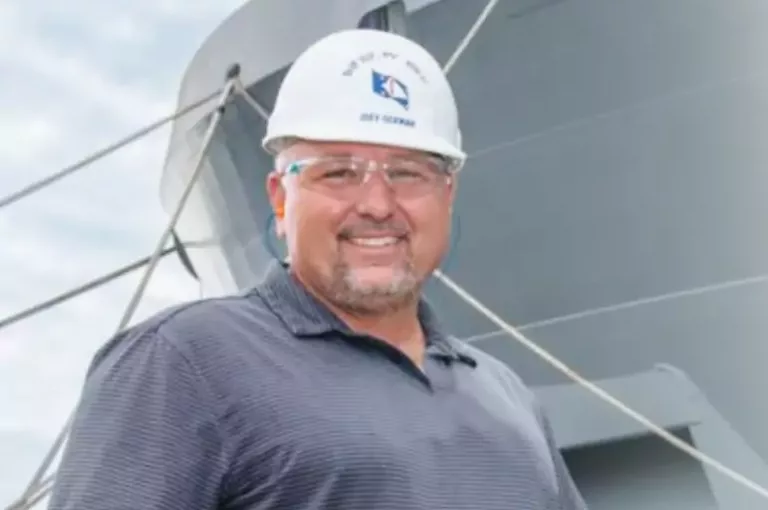
“A lot of times, we’ll take a part that’s worn out and give it to a vendor and say, ‘Make this,’ because they just don’t make it anymore,” said Bo Barbour, Transportation Maintenance Foreman.
That is where experience, problem-solving and a willingness to improvise come in.
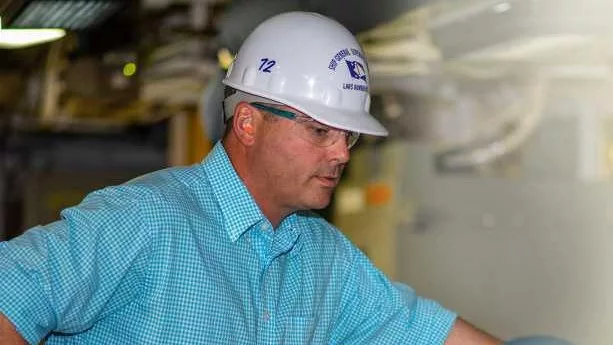
“We’re updating a lot of the electrical components, tuning the drives and making sure everything works the way it’s supposed to,” said Gabriel Kibby, Maintenance Electrician. “We’ve got to rebuild and make a lot of things work, even when the parts are obsolete. We’ve got to improvise a lot.”
FROM FLAT STEEL TO THE FLEET
The team has to know the equipment, but they also have to know how all of those pieces fit back together after years of use, repairs and changes.
“Our group takes care of every crane in the shipyard,” Bo said.
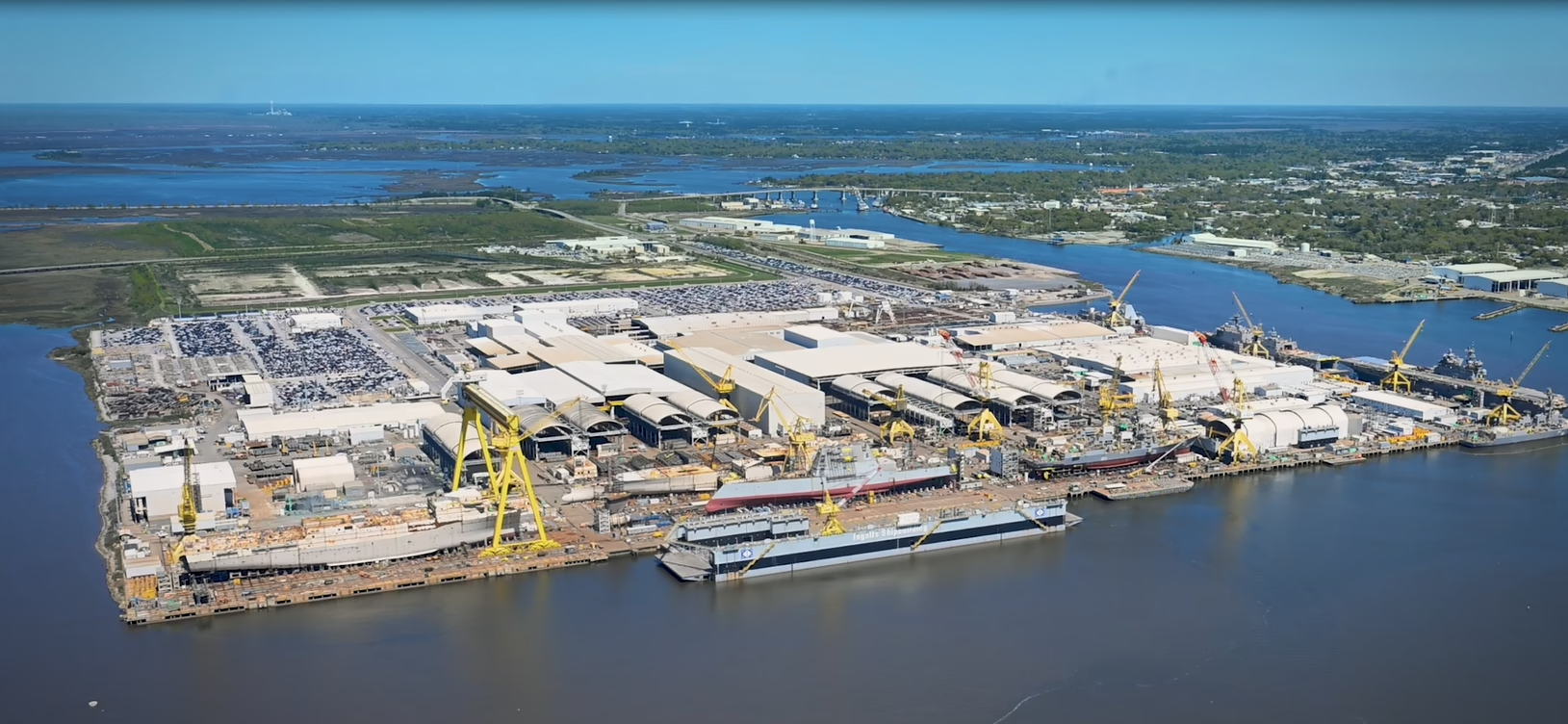
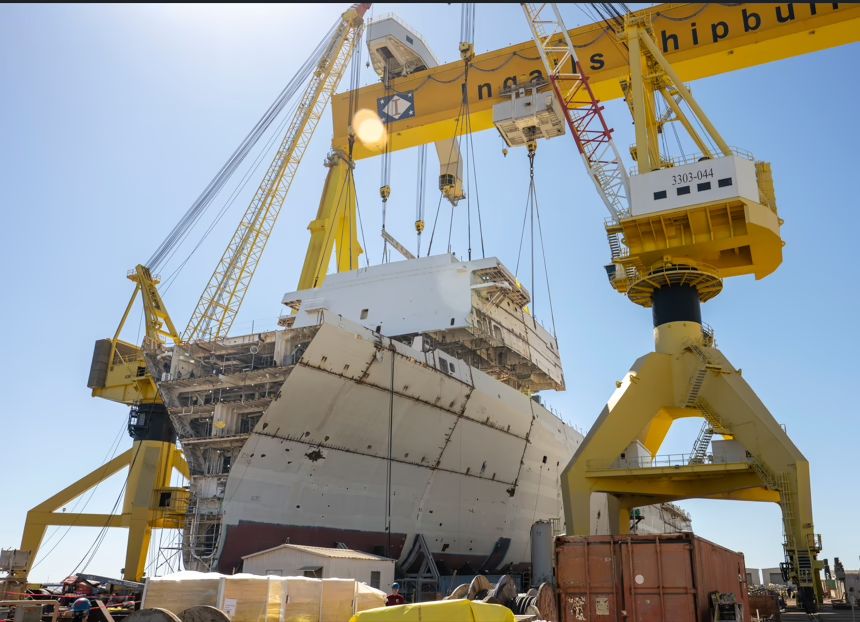
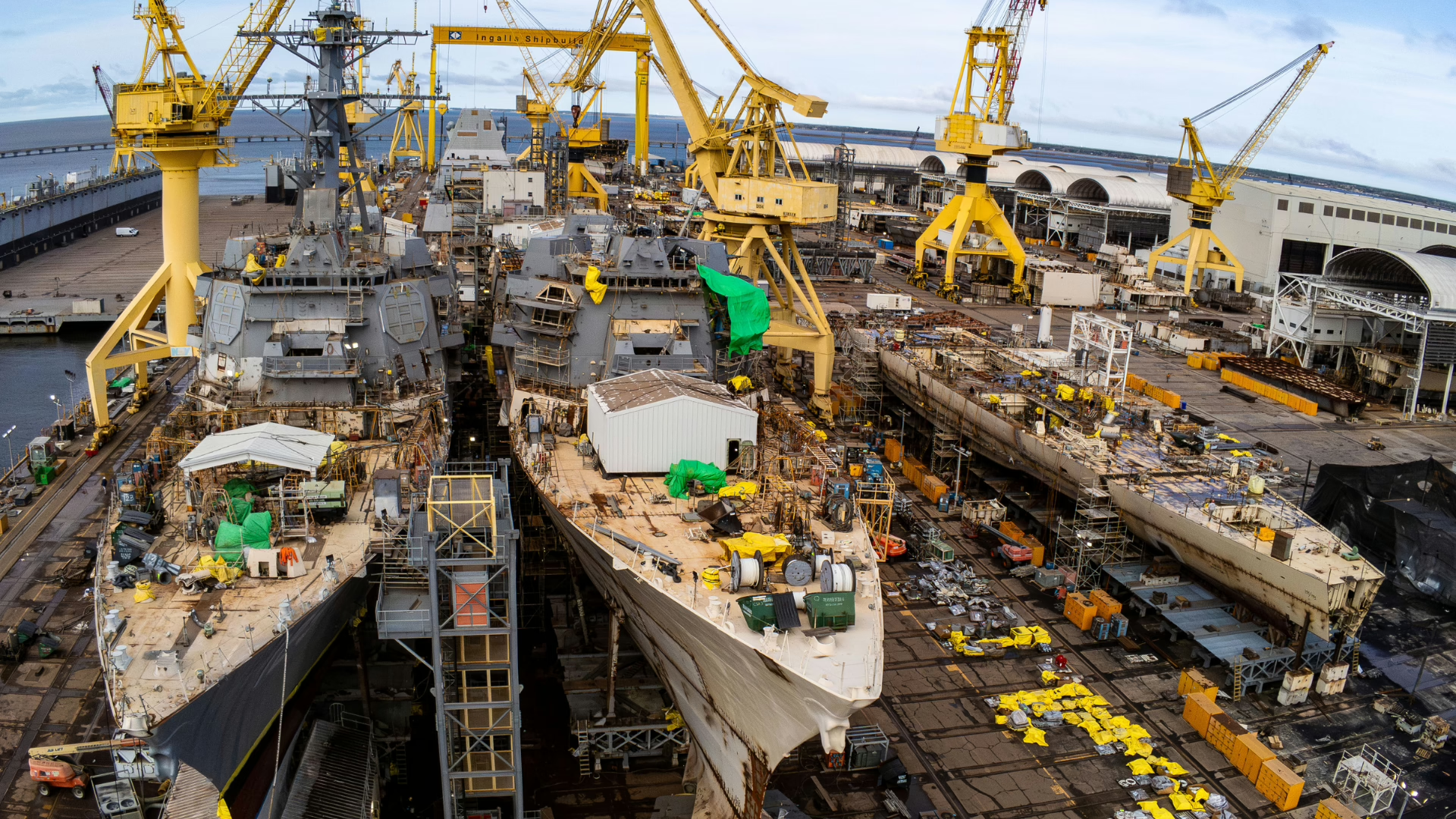
That responsibility puts the team in the middle of the shipbuilding process. Their work starts long before a crane lifts a ship unit and continues through the final stages of a ship’s time at Ingalls.
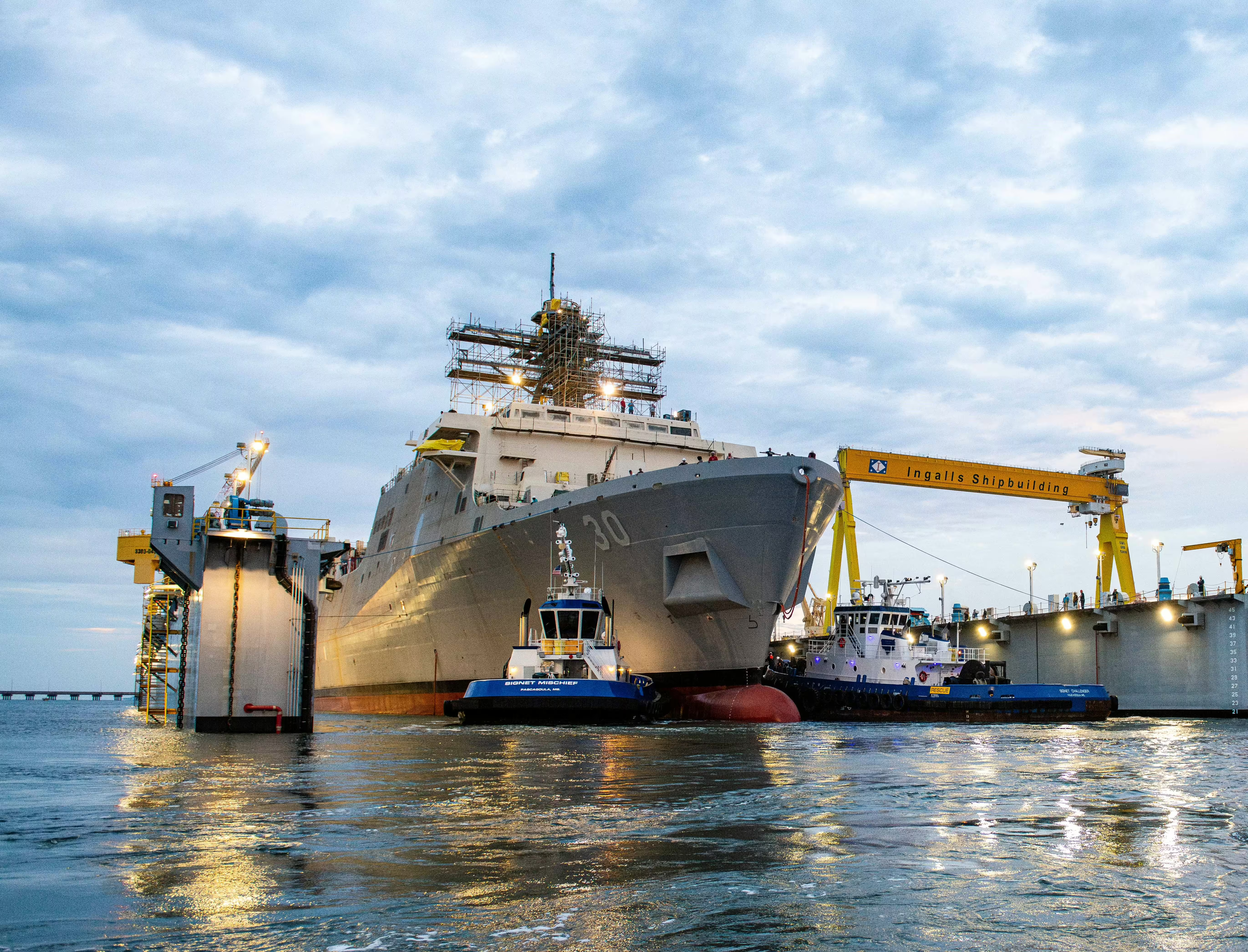
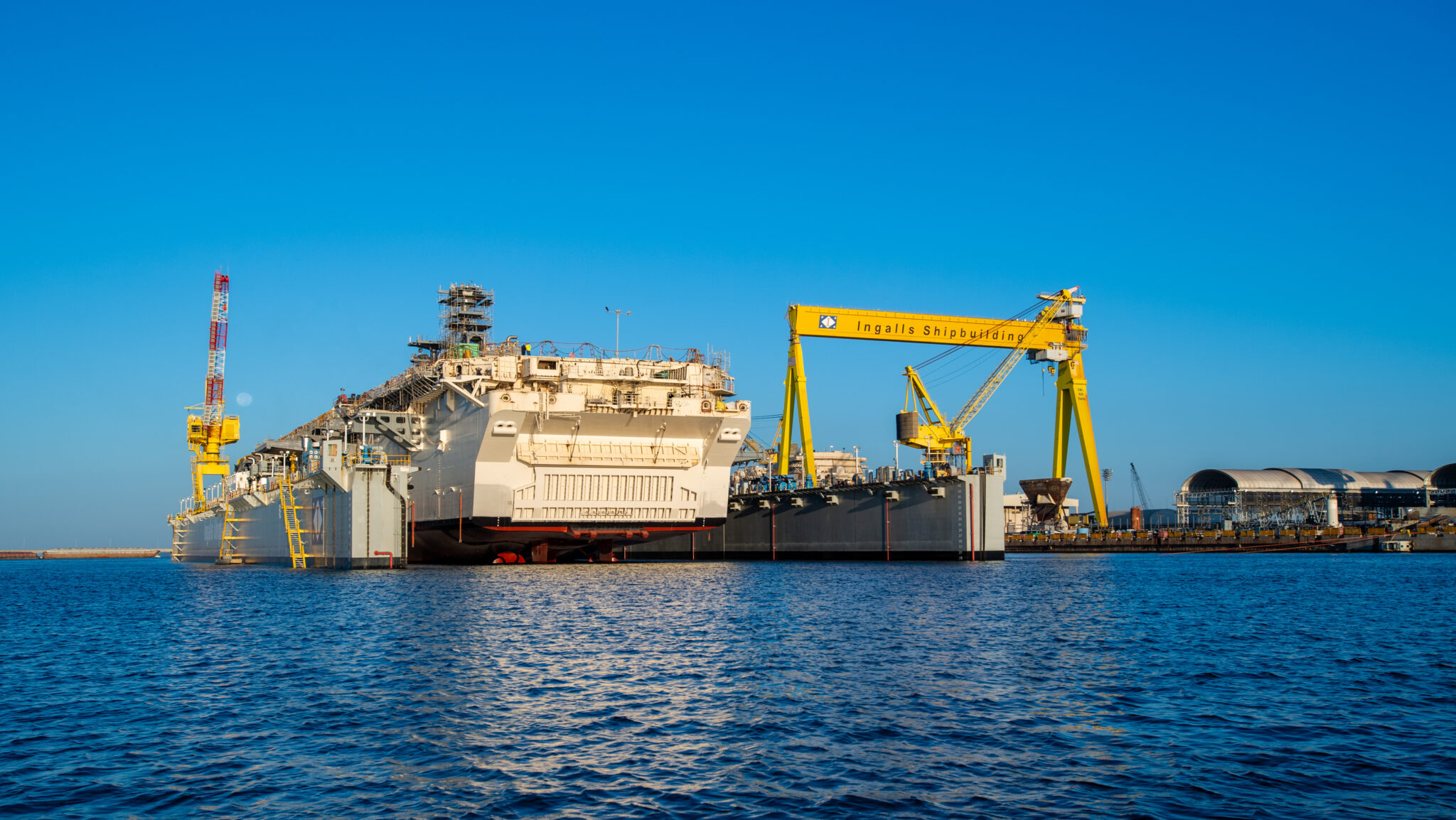
“From the time a piece of metal comes in the gate, our equipment is part of the process,” Bo said. “This crew moves wing walls on the pontoons, helps during a ship launch and stays involved until the ship leaves us. The last thing that pulls the rope off the ship is a crane.”
It’s a lot of responsibility for a relatively small crew, and the work isn’t easy.
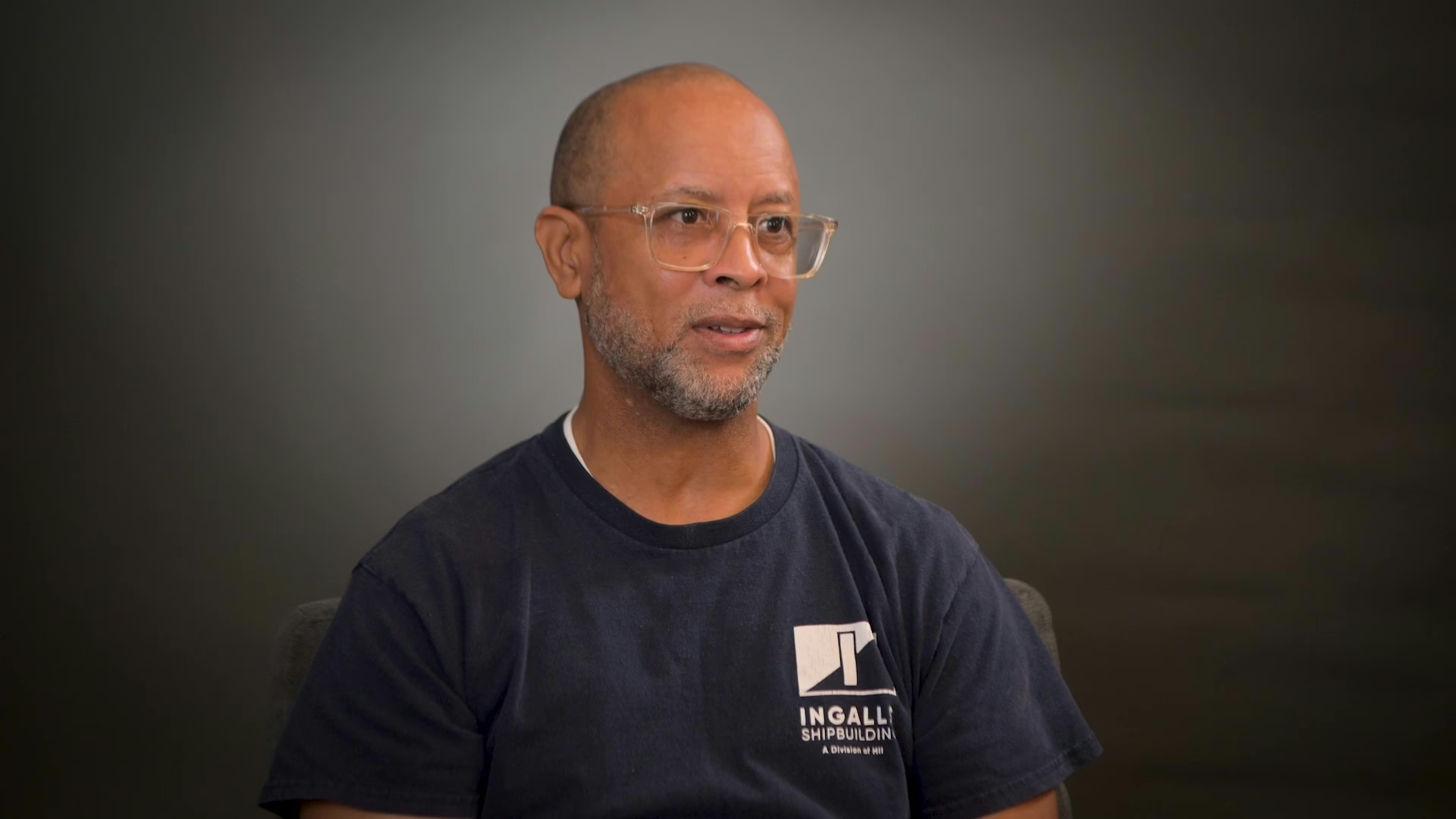

“It’s an extremely tough job, that requires physical work from heights but our crew is good,” said Philip Rupert, Heavy Equipment Technician.
KNOWLEDGE BUILT ON THE JOB
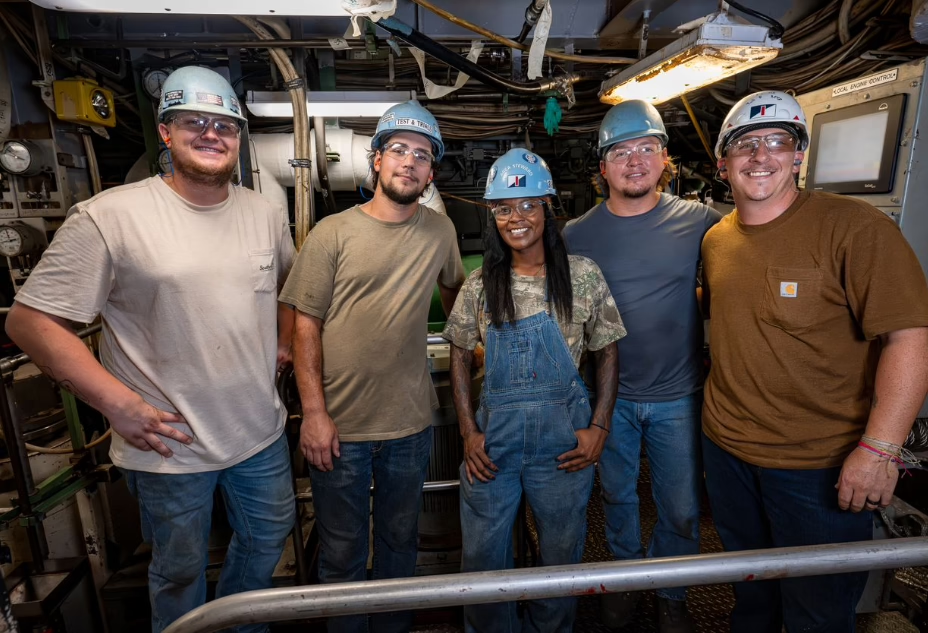
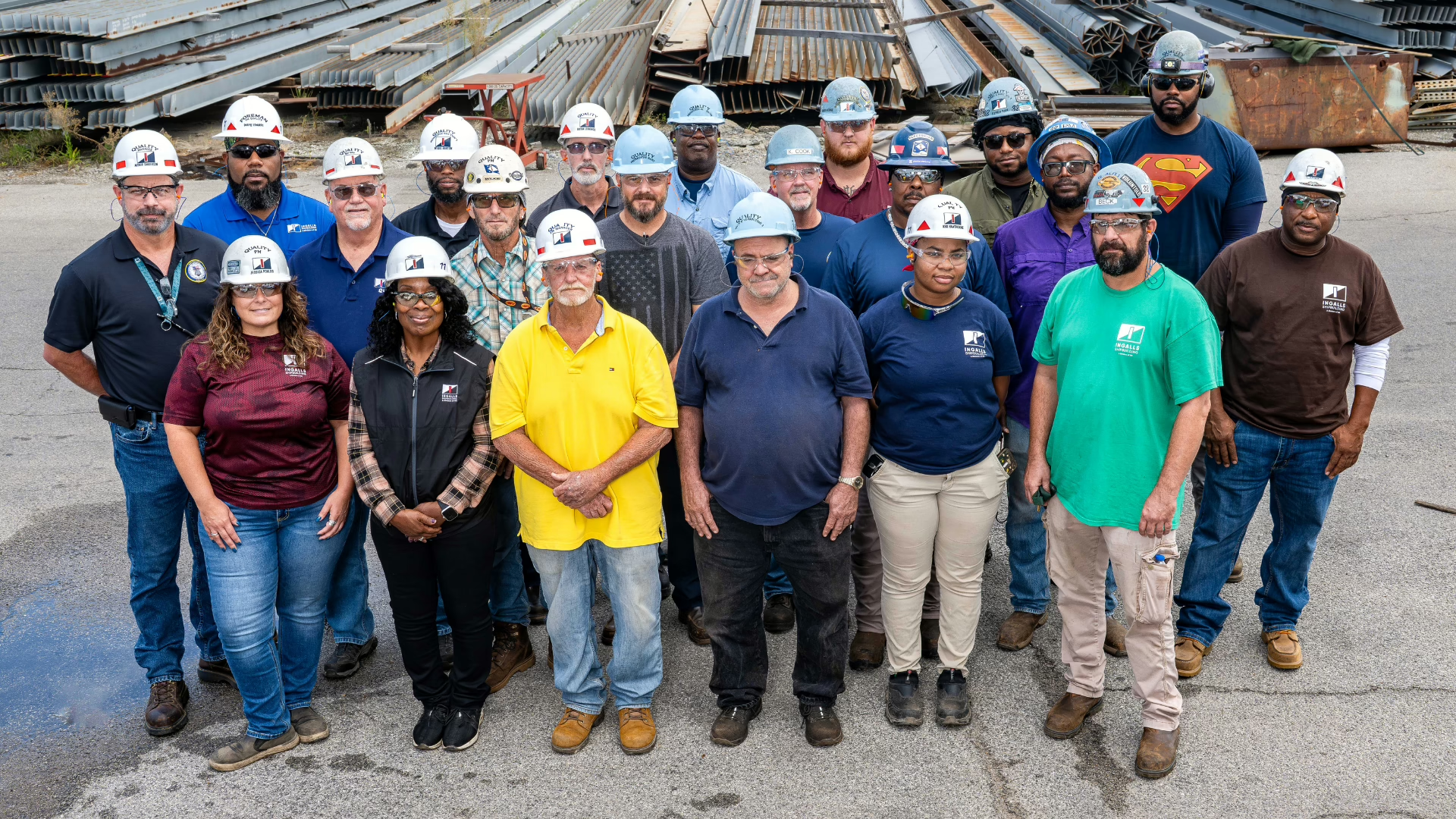
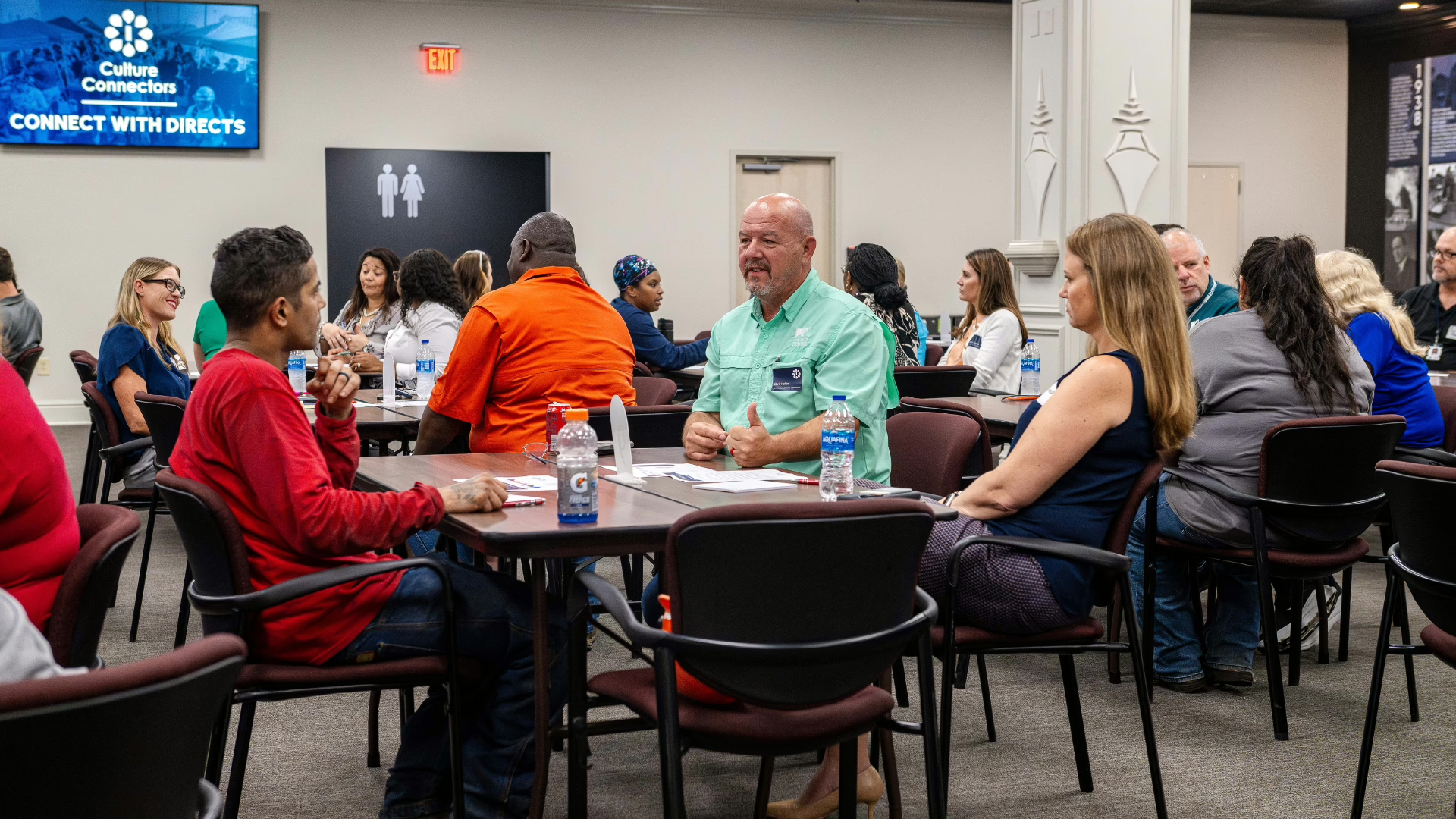
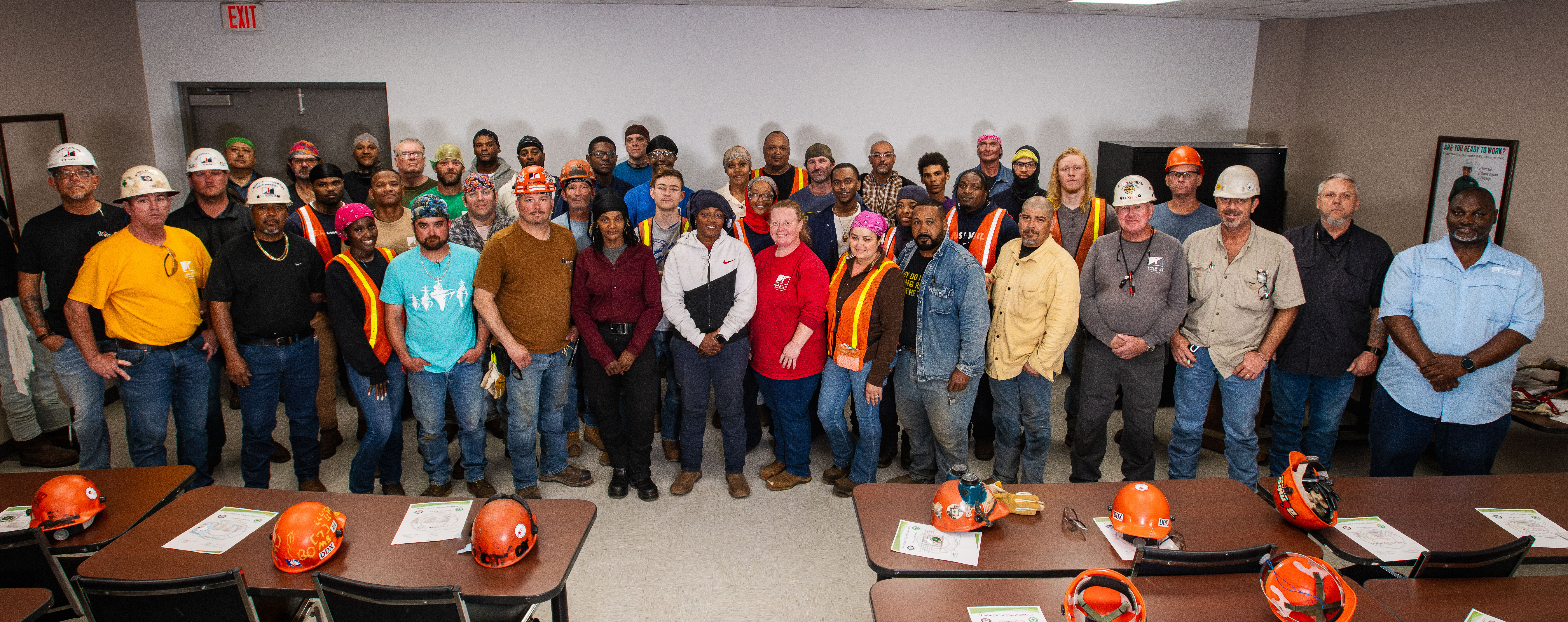
Many of the people on the crew are experienced tradesmen who are newer to working on these cranes. That makes working alongside people who have spent decades maintaining them especially valuable.
“There’s a lot of us that are newer to maintenance, so we don’t have the decades of knowledge,” Philip said. “It’s nice to have the help from the guys that have done it for a long time.”
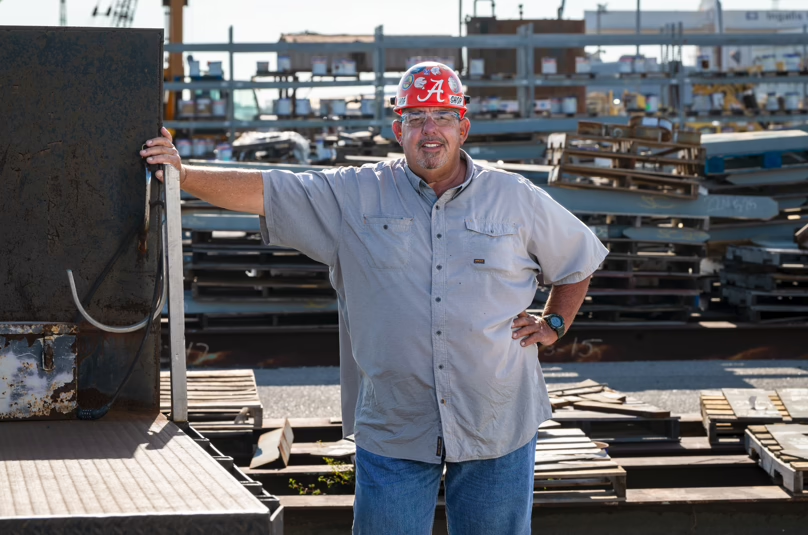
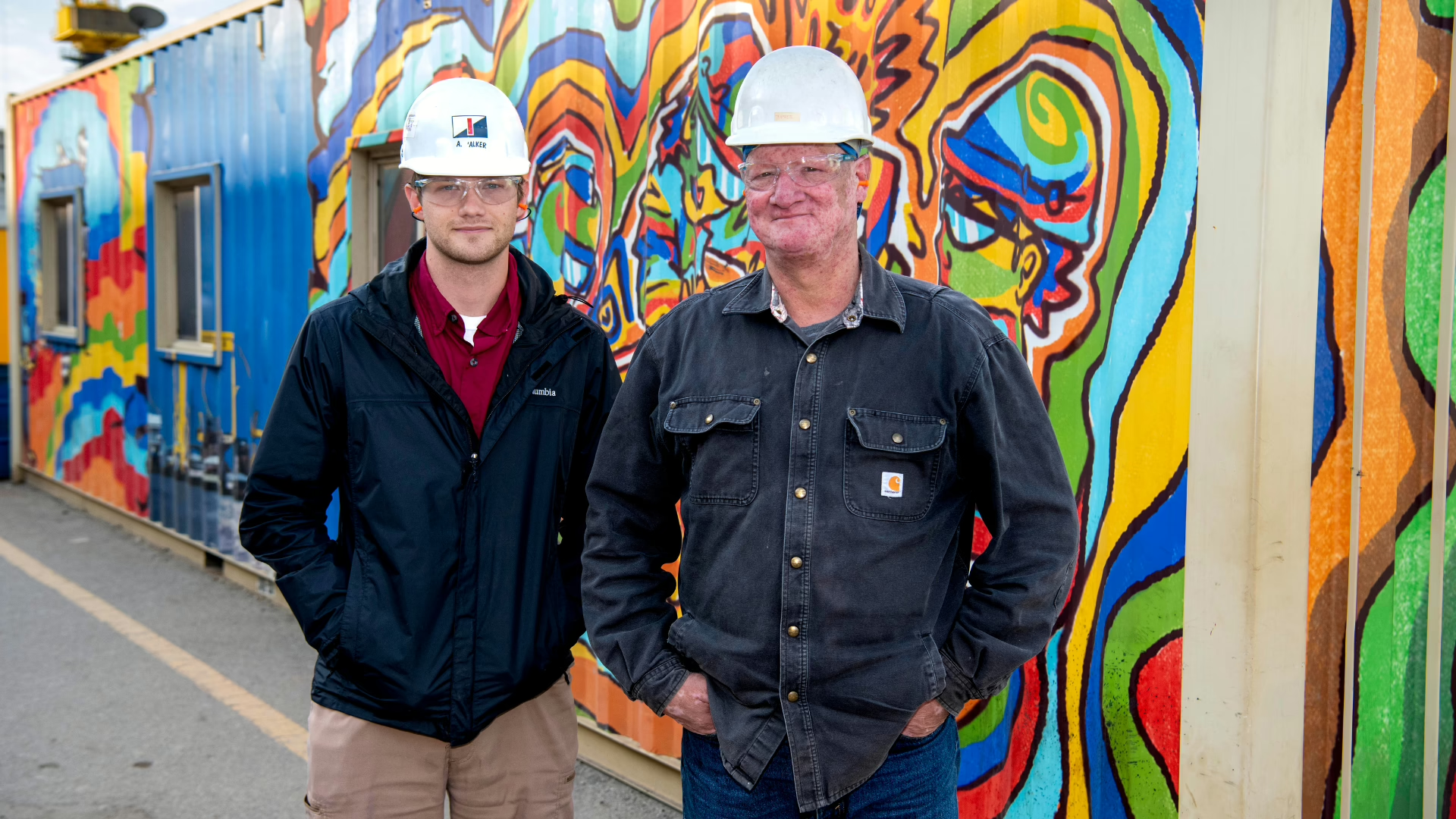
Bo has been doing this work for about 30 years. He said this is the youngest crew he’s worked with, and one of the best.
“A lot of what we do is pass down knowledge because you can’t get this training anywhere else,” he said.
Crane 42 is a good example of why that knowledge matters.
Once it passes its load test, it will return to service and is expected to remain in good working condition for another 10 years.
That’s another decade of lifting and moving the pieces that become Navy ships and another decade of putting hard-earned knowledge to work.
Way to go, shipbuilders!
__PRESENT