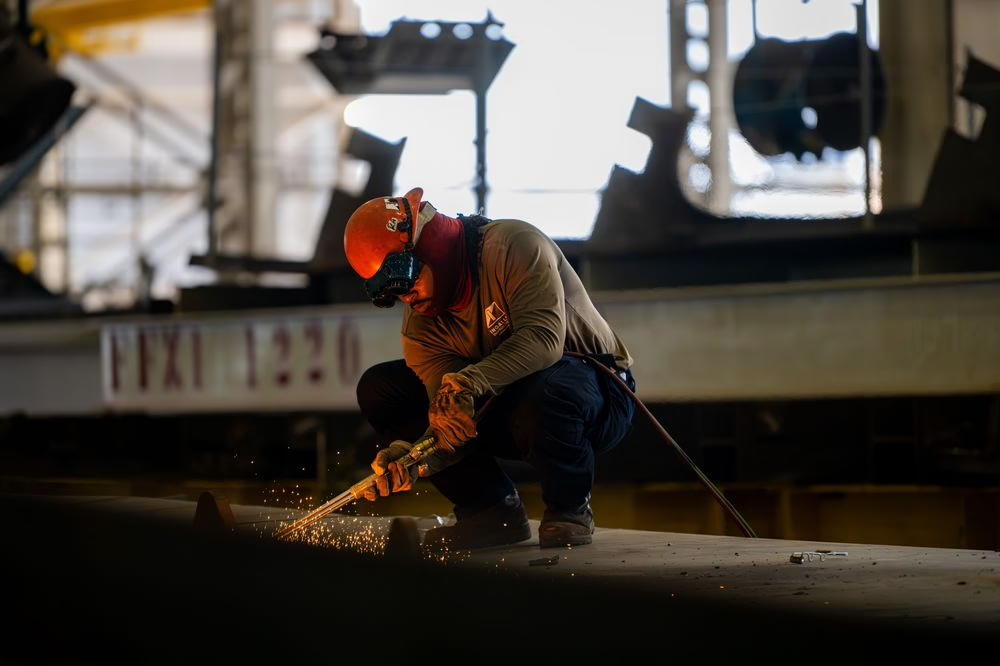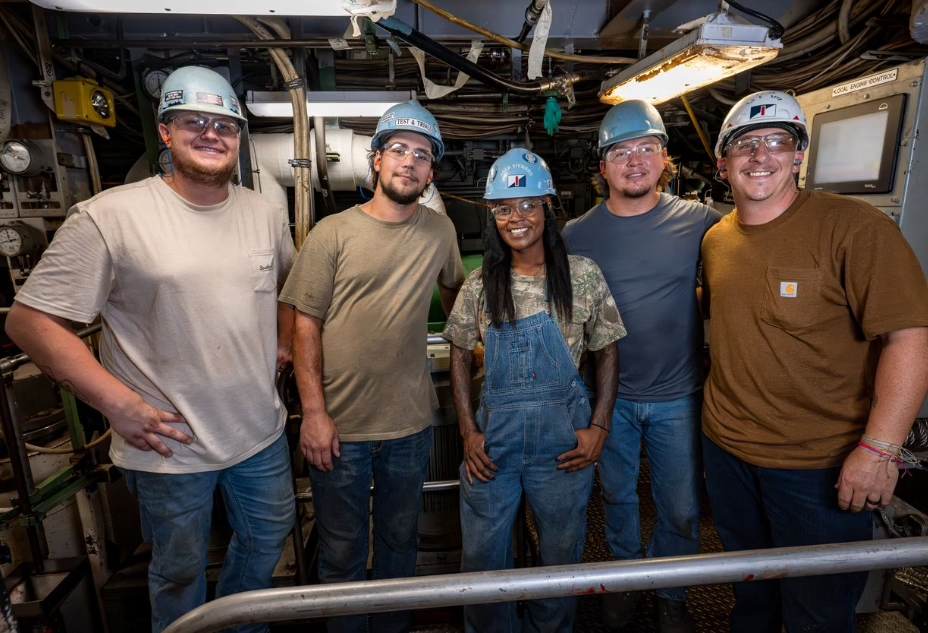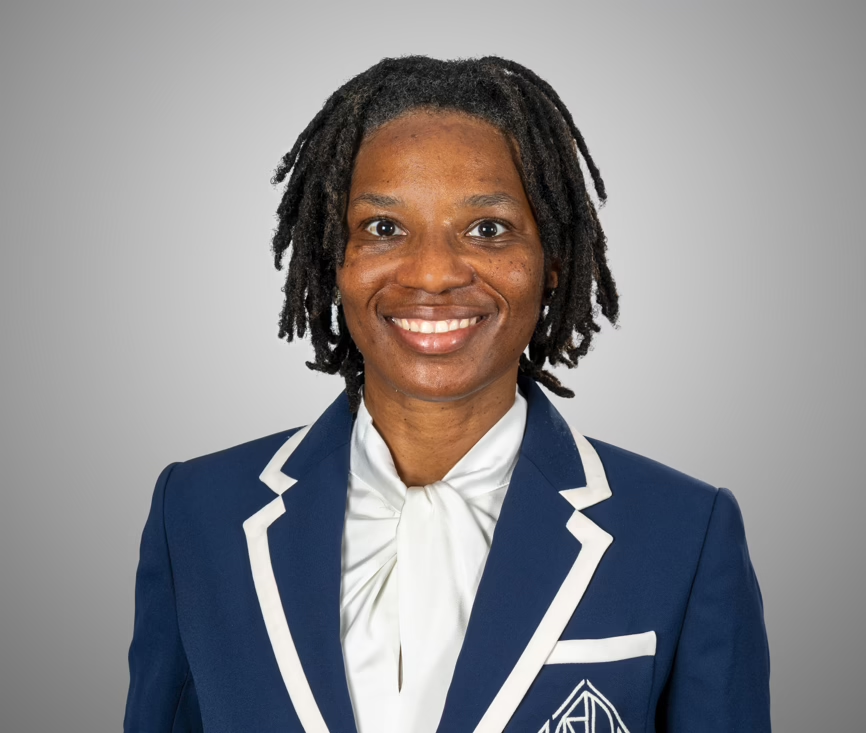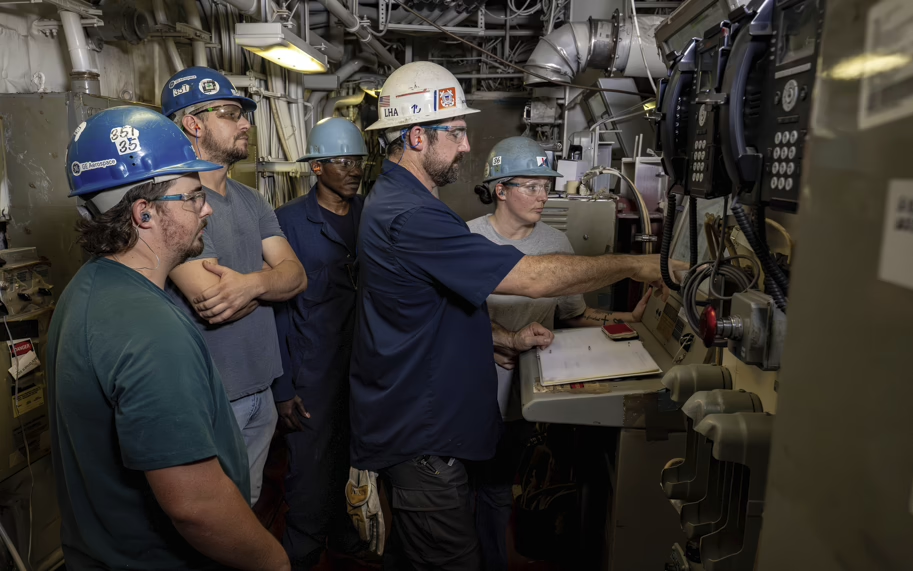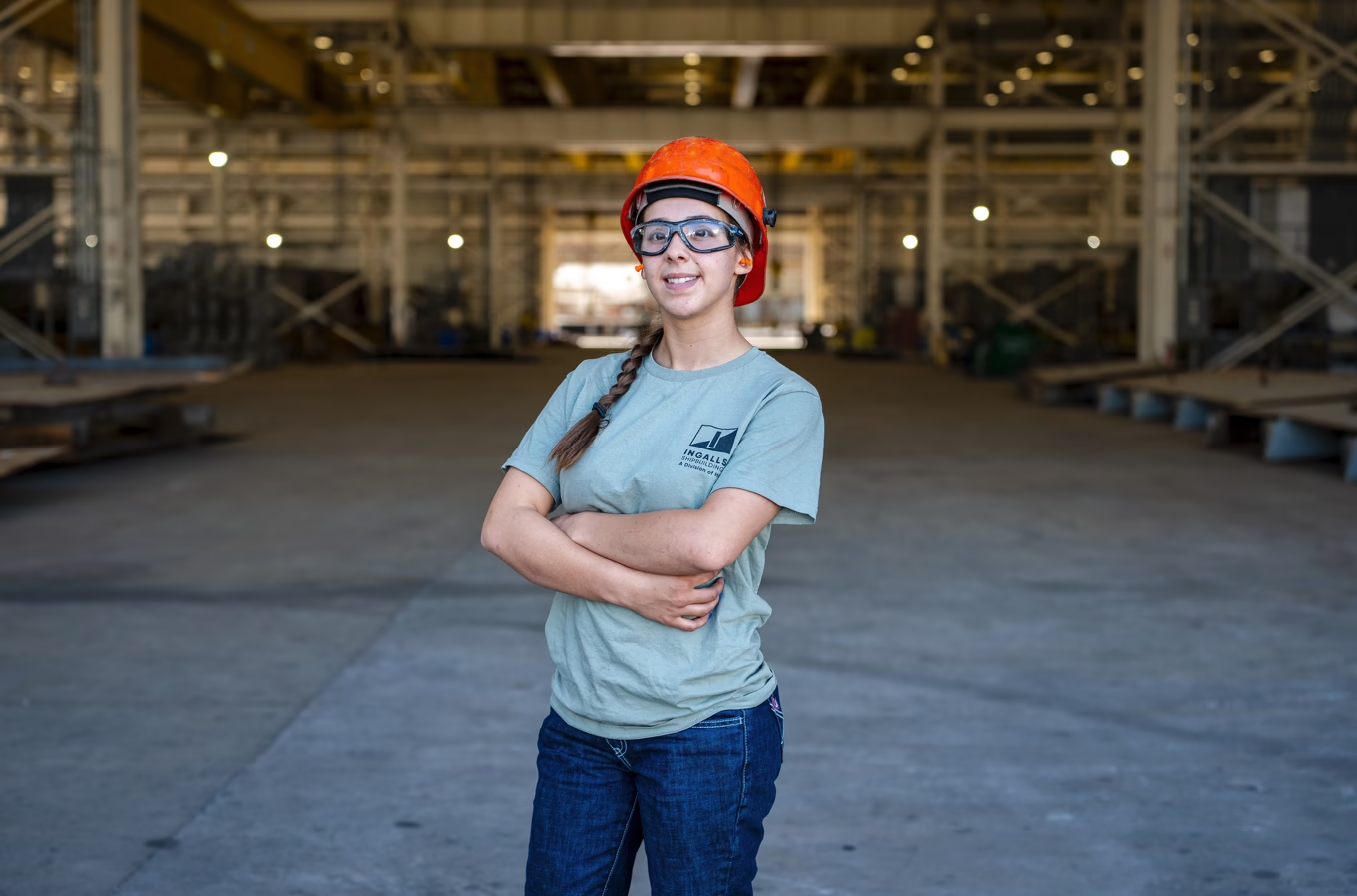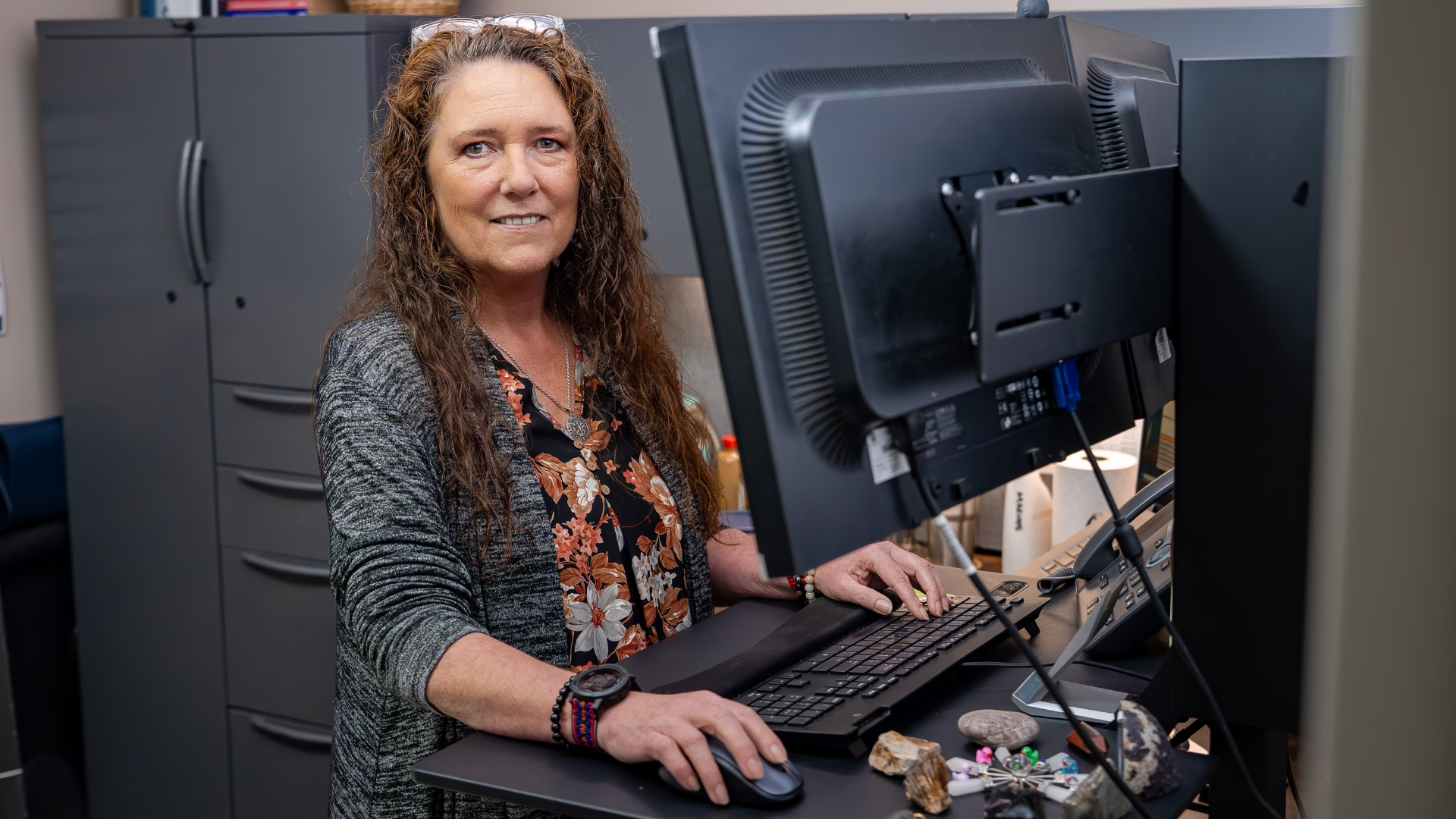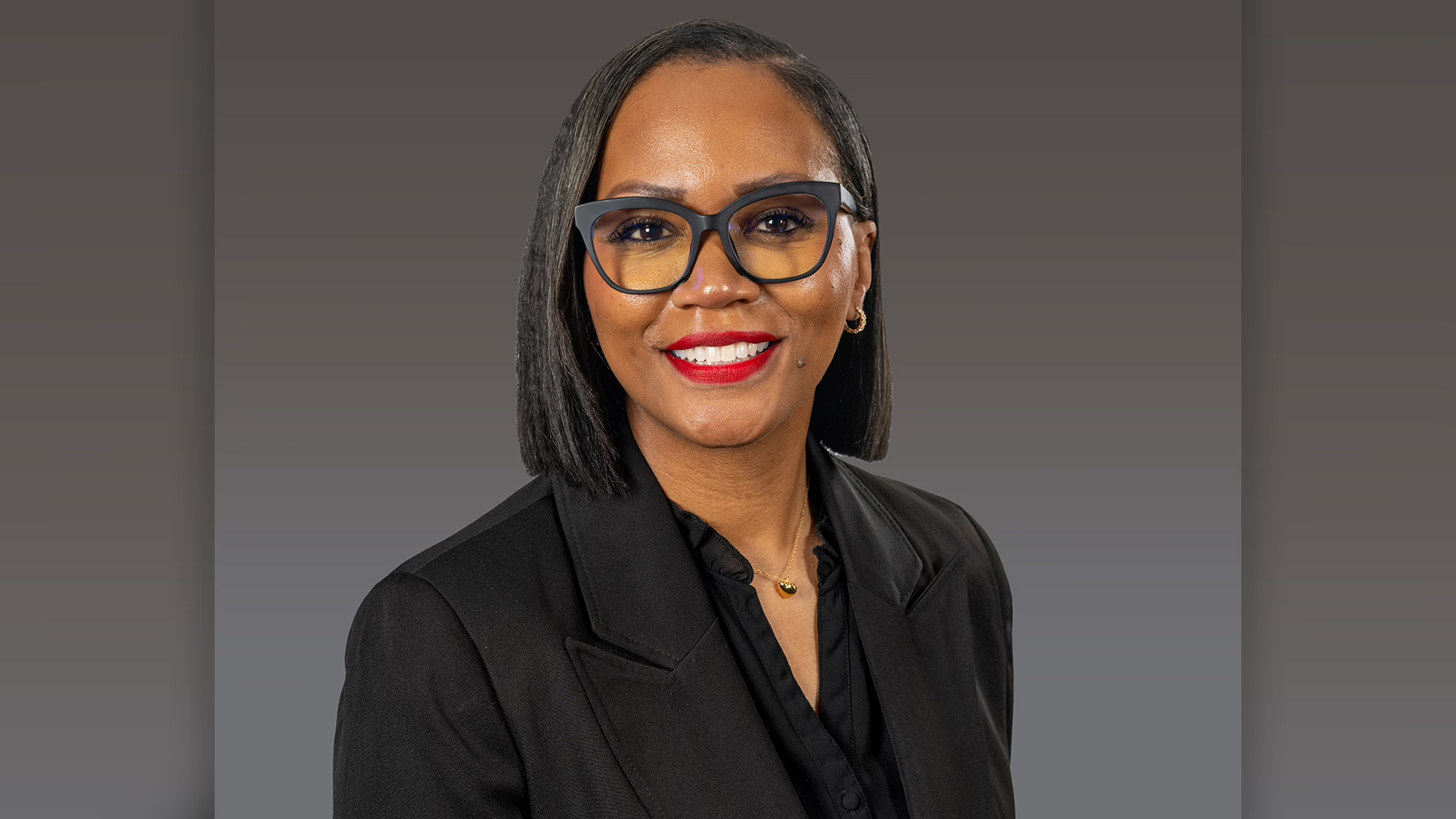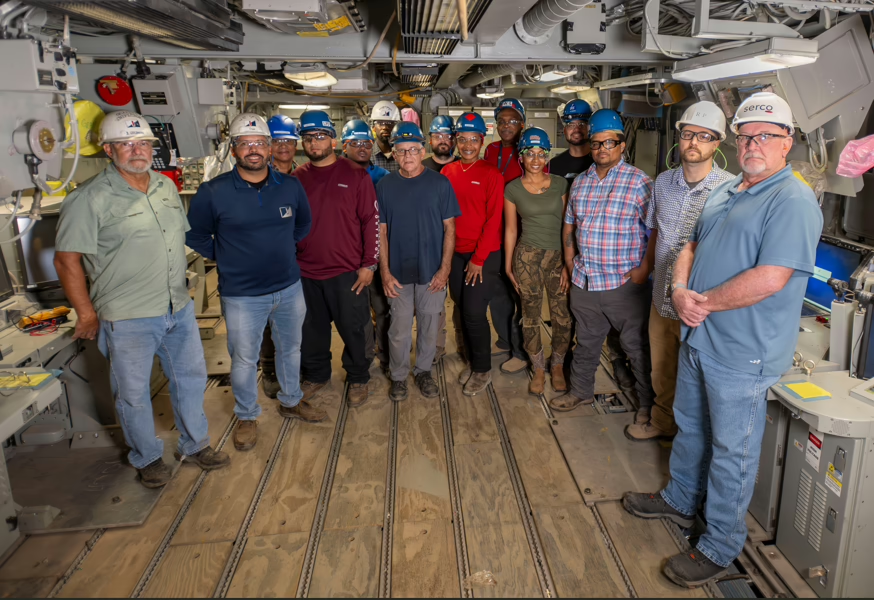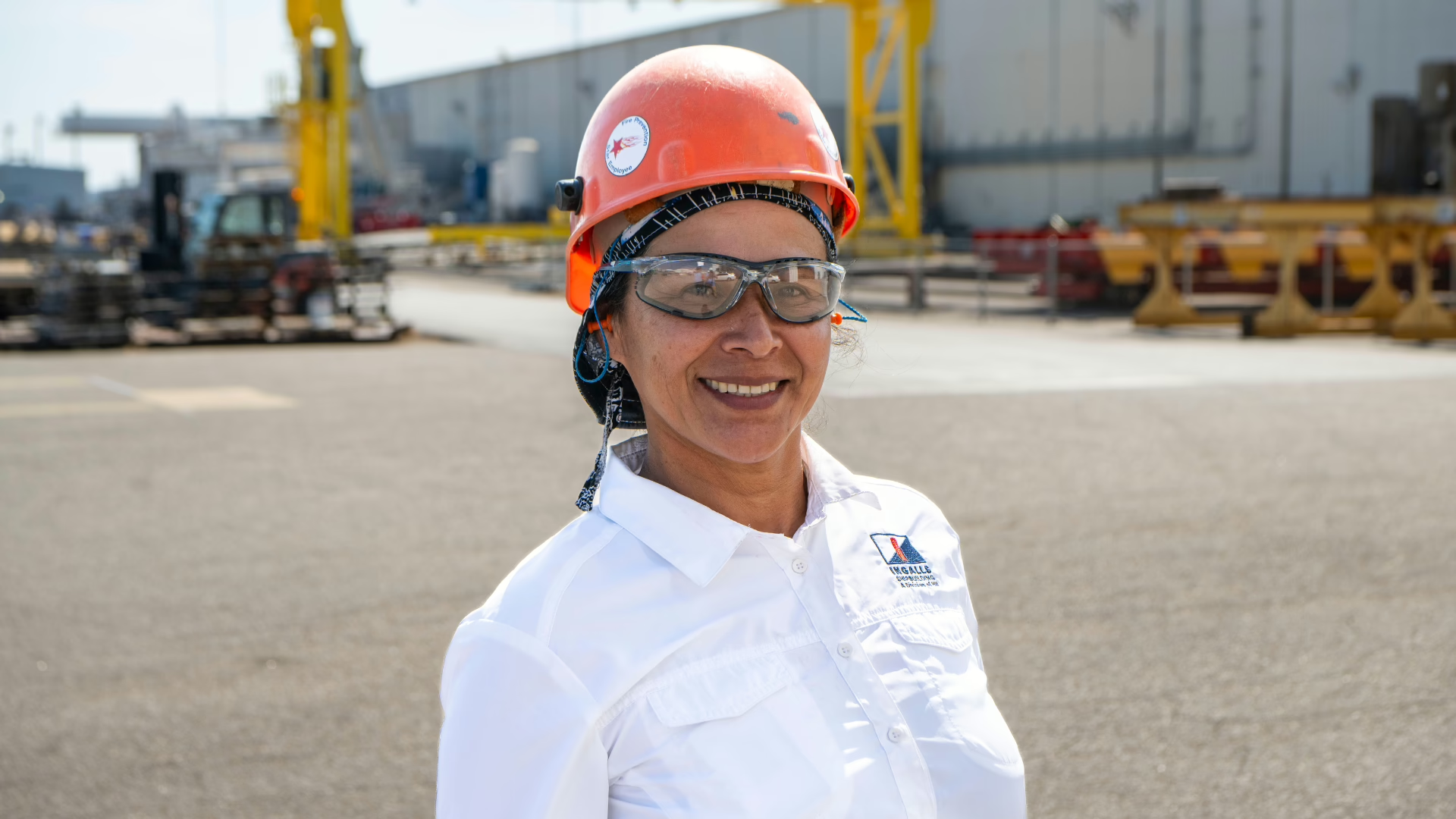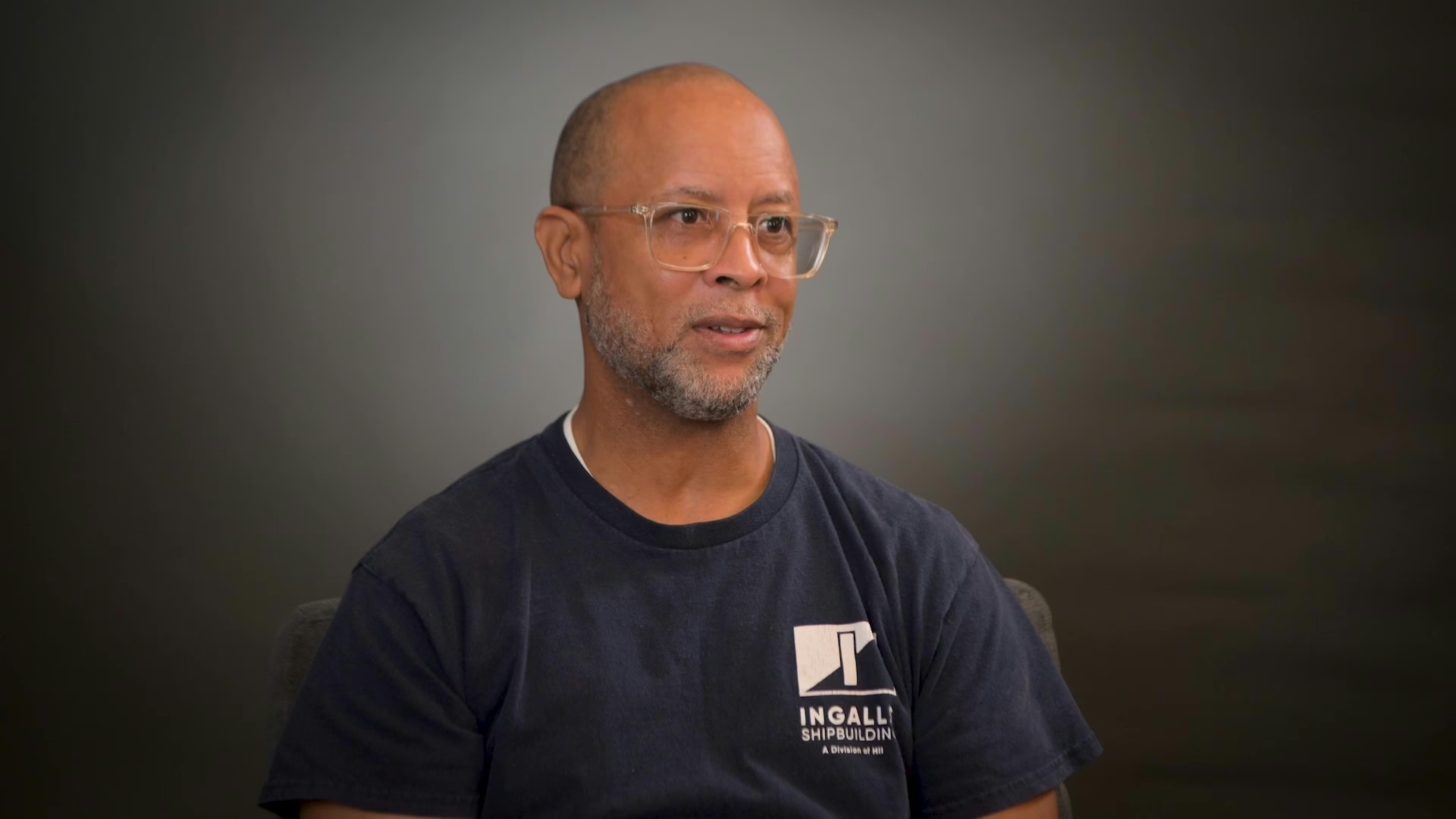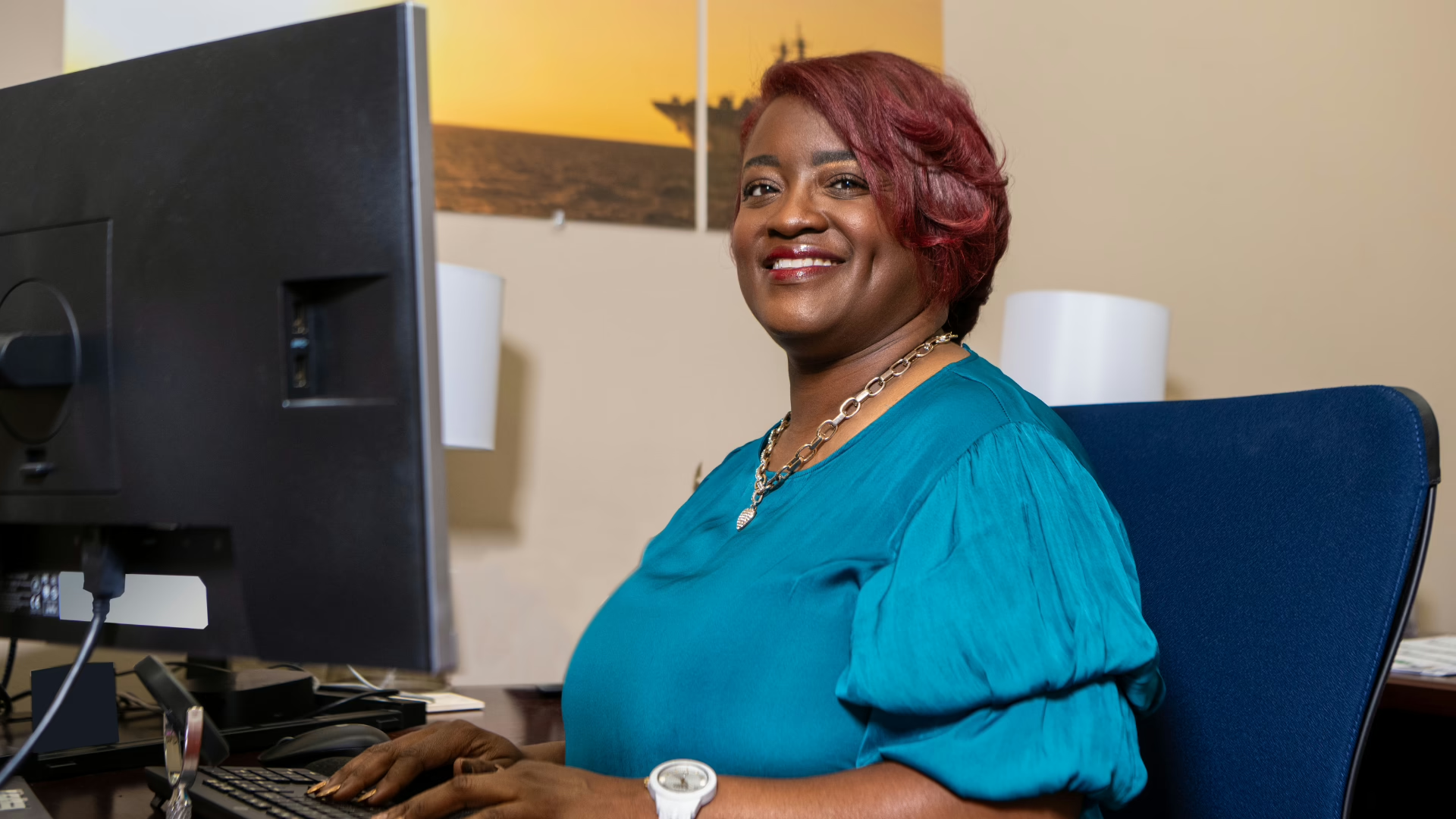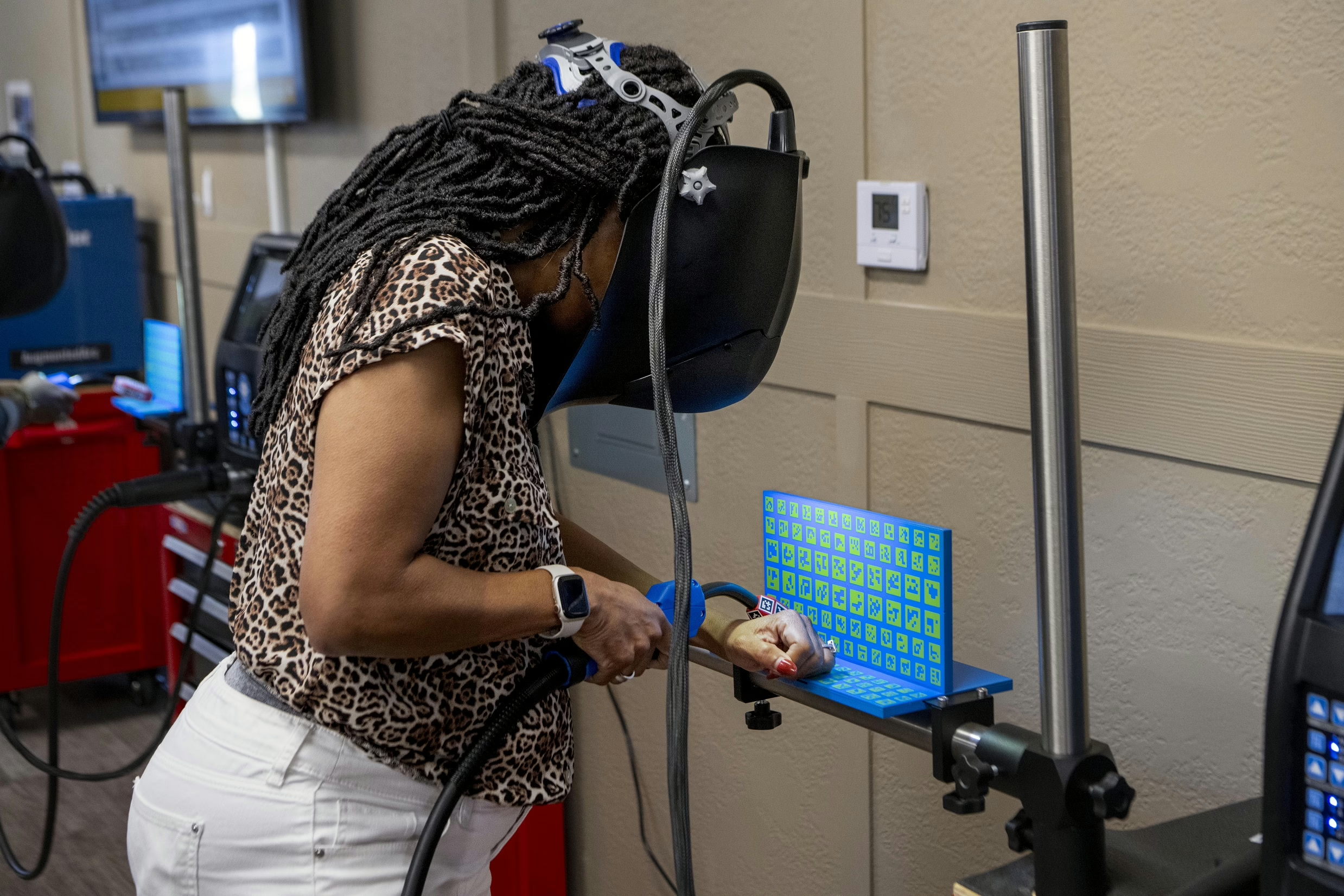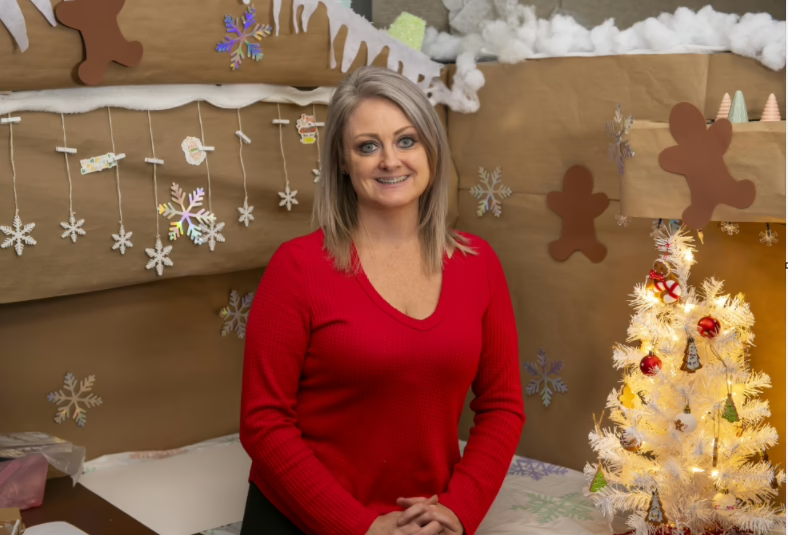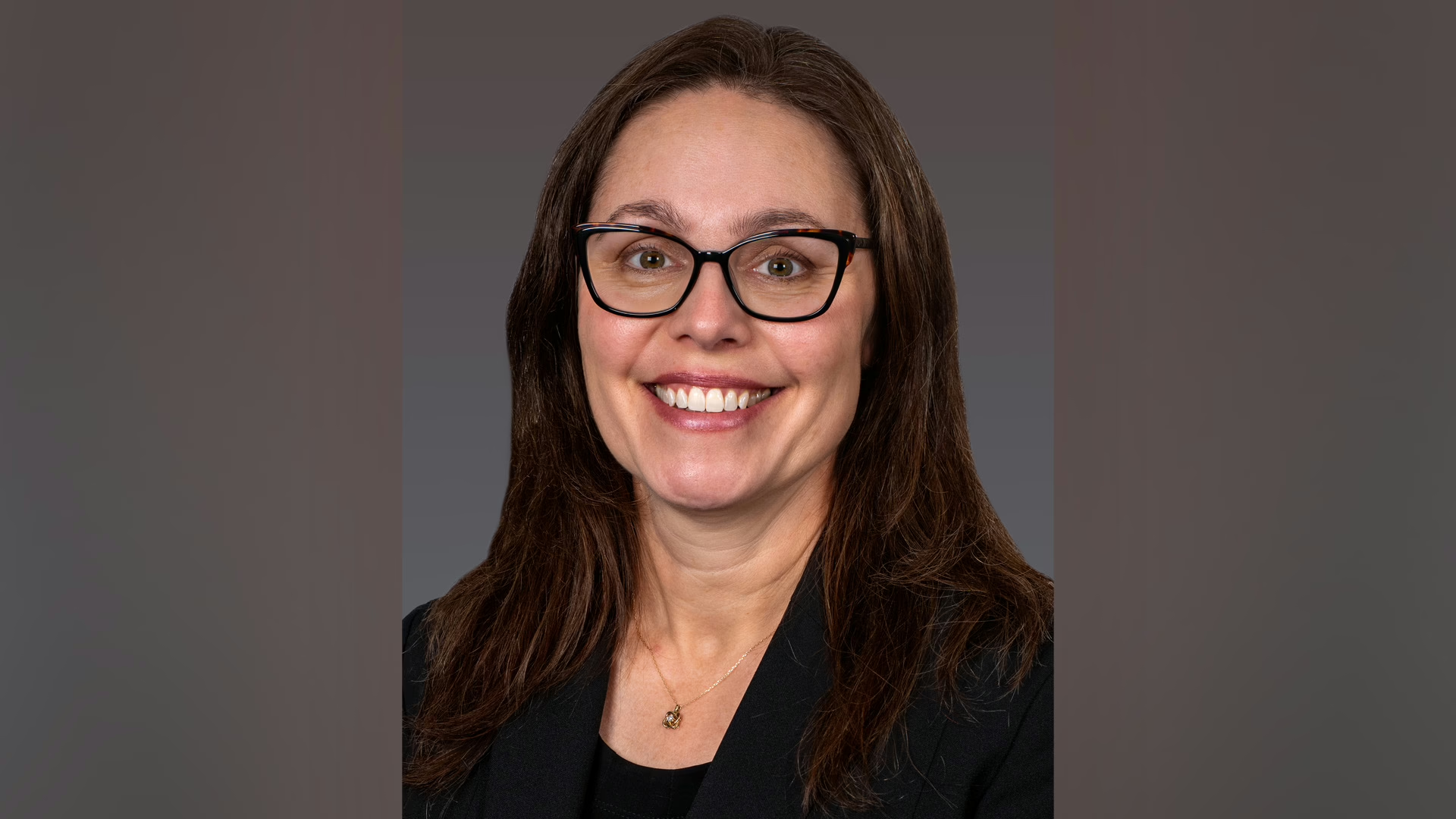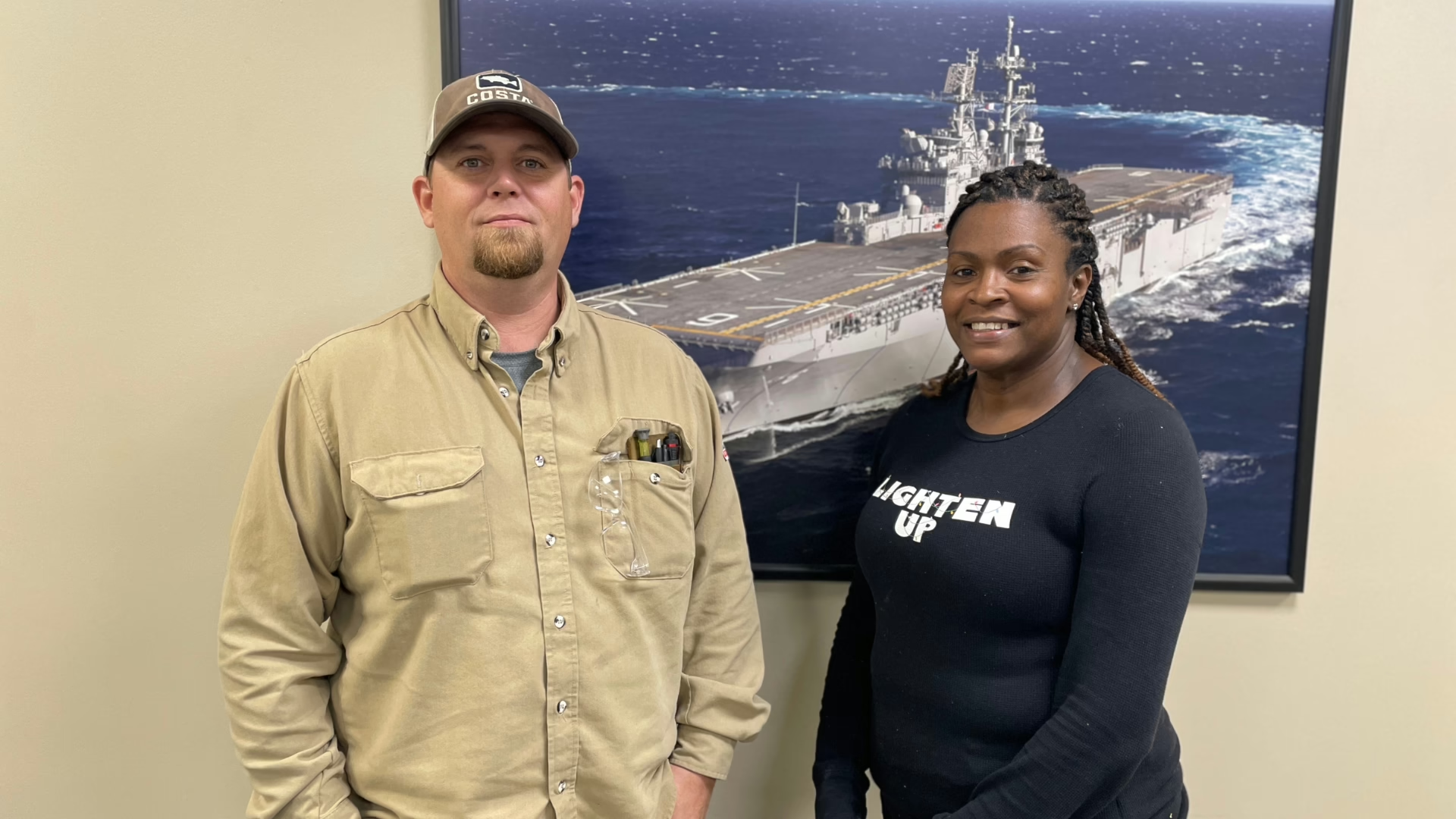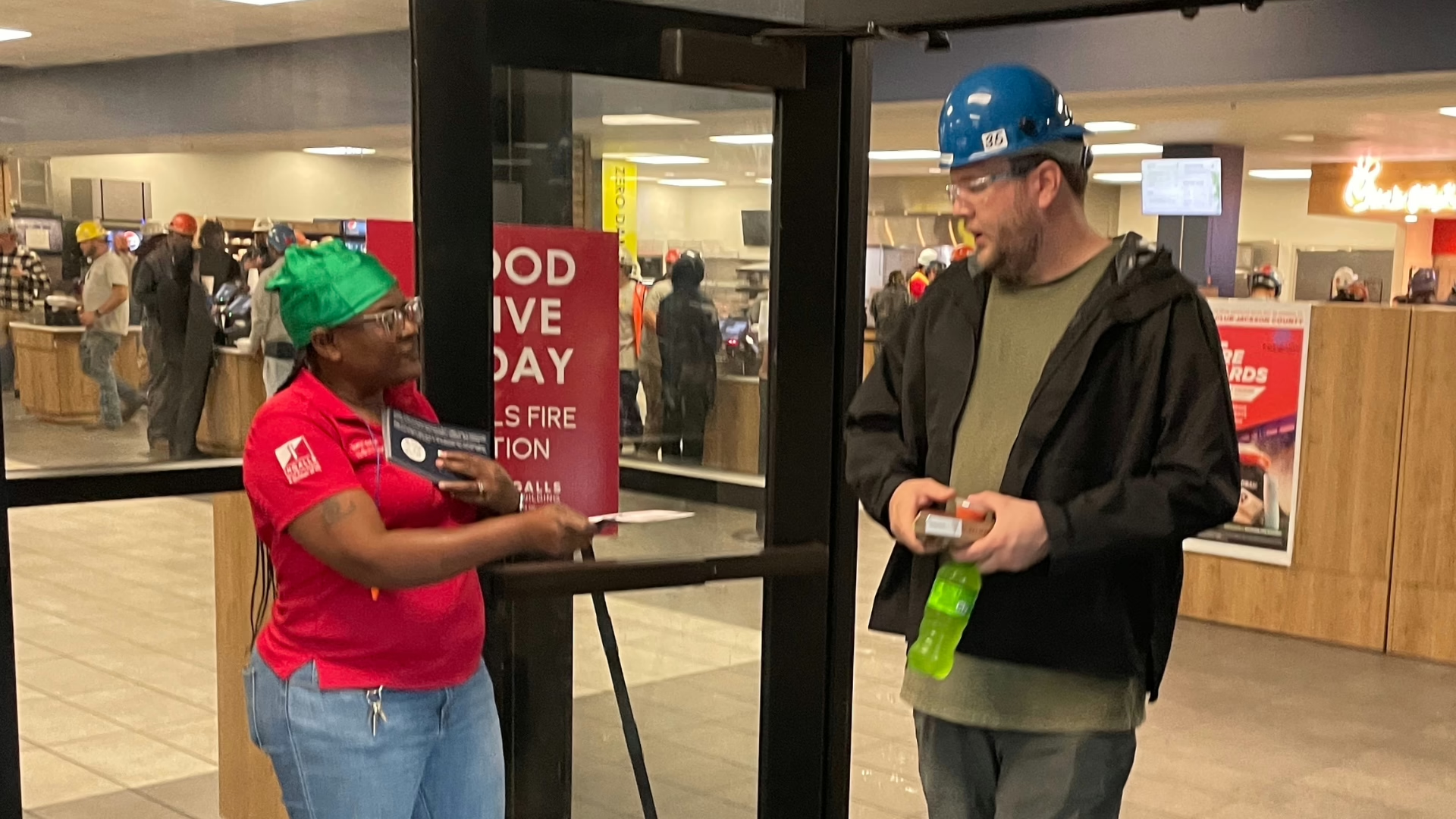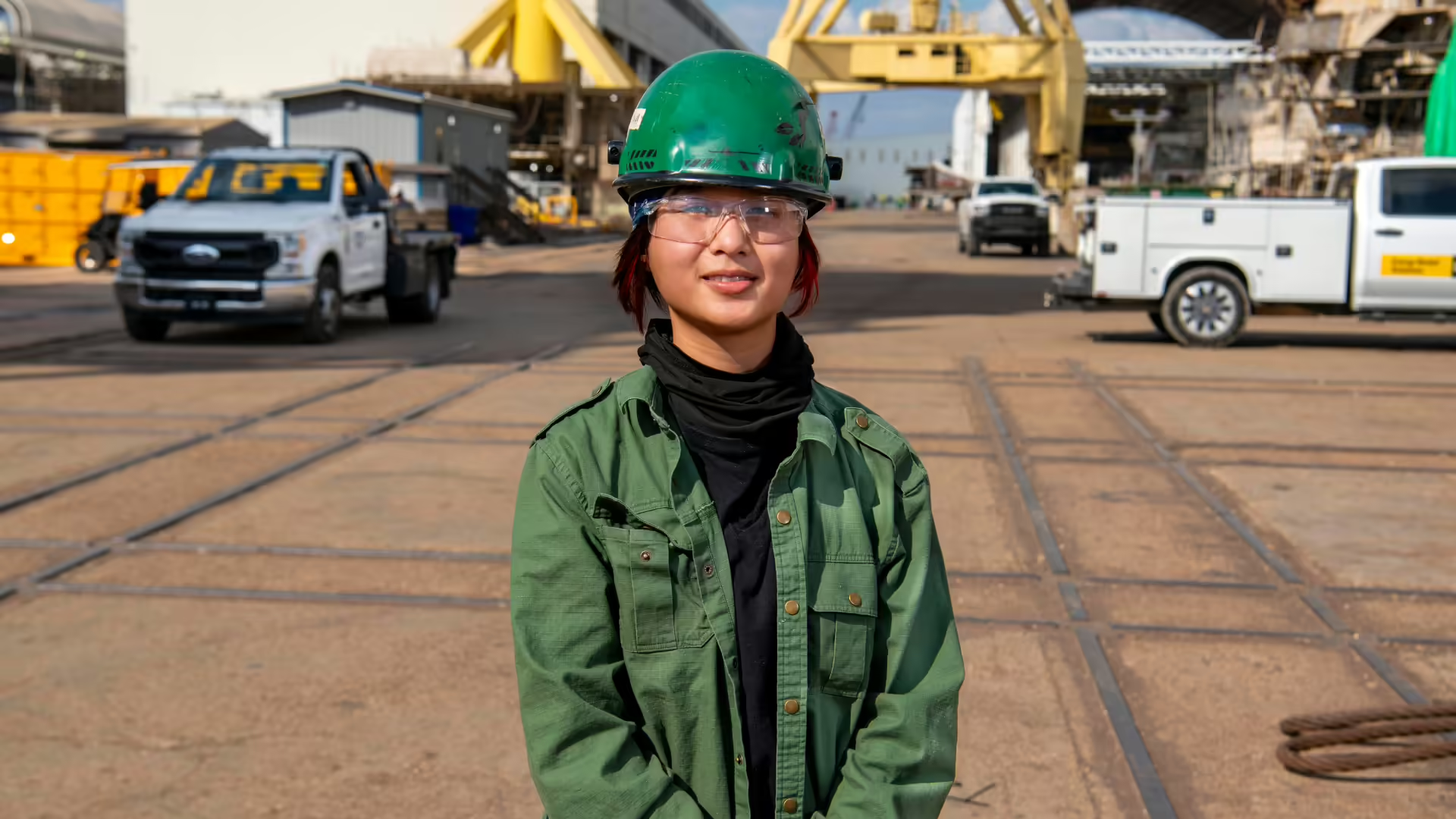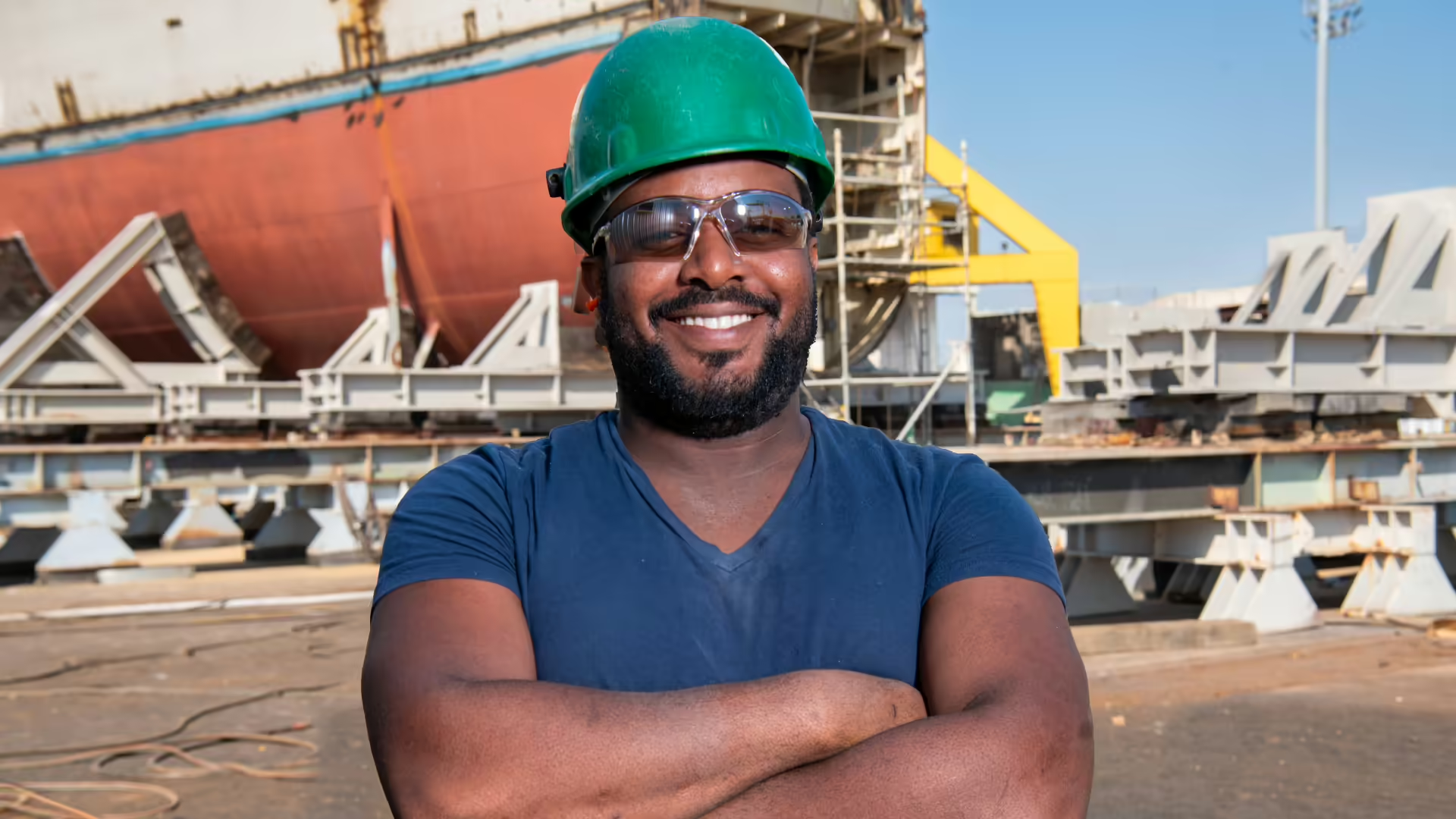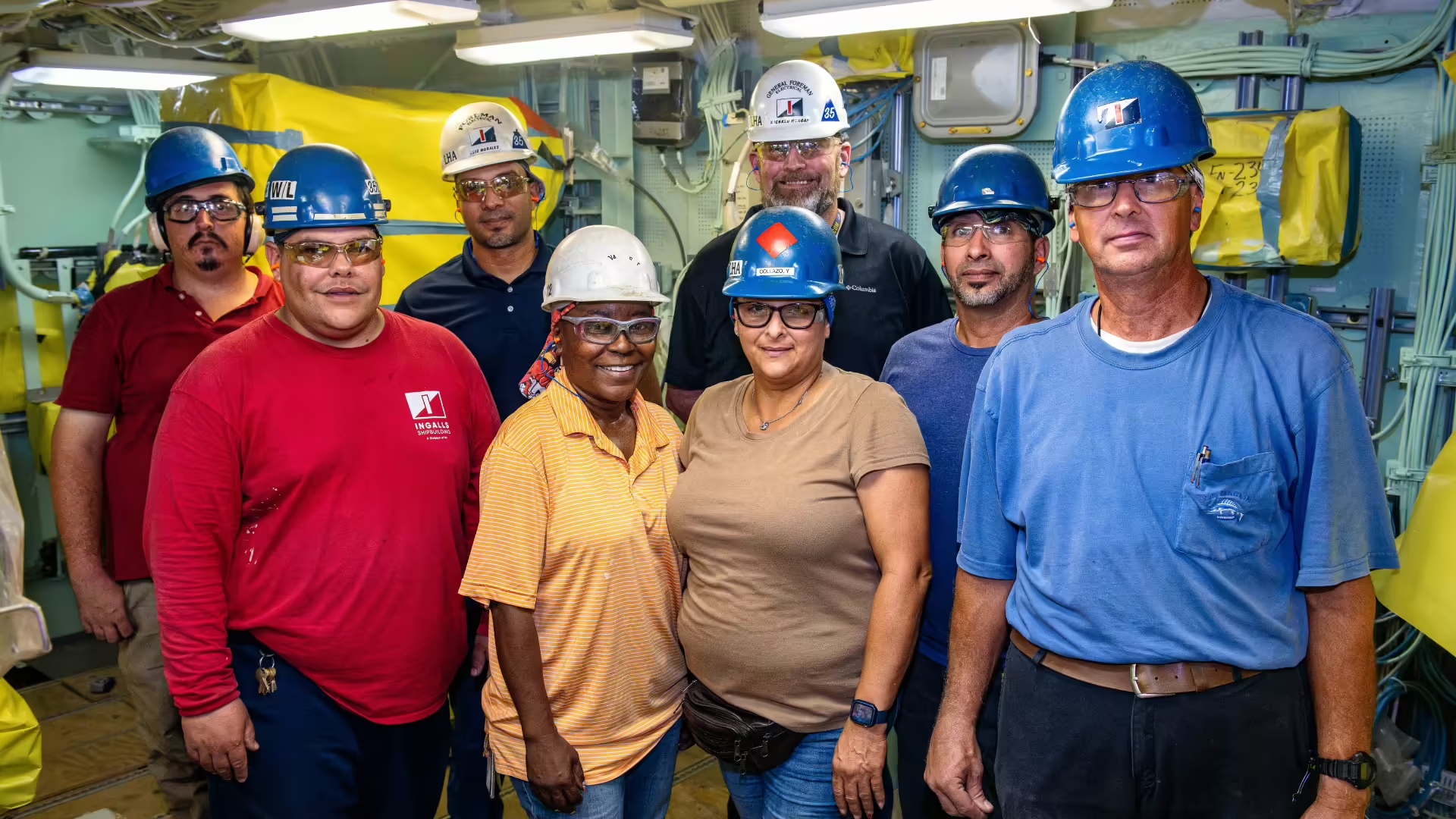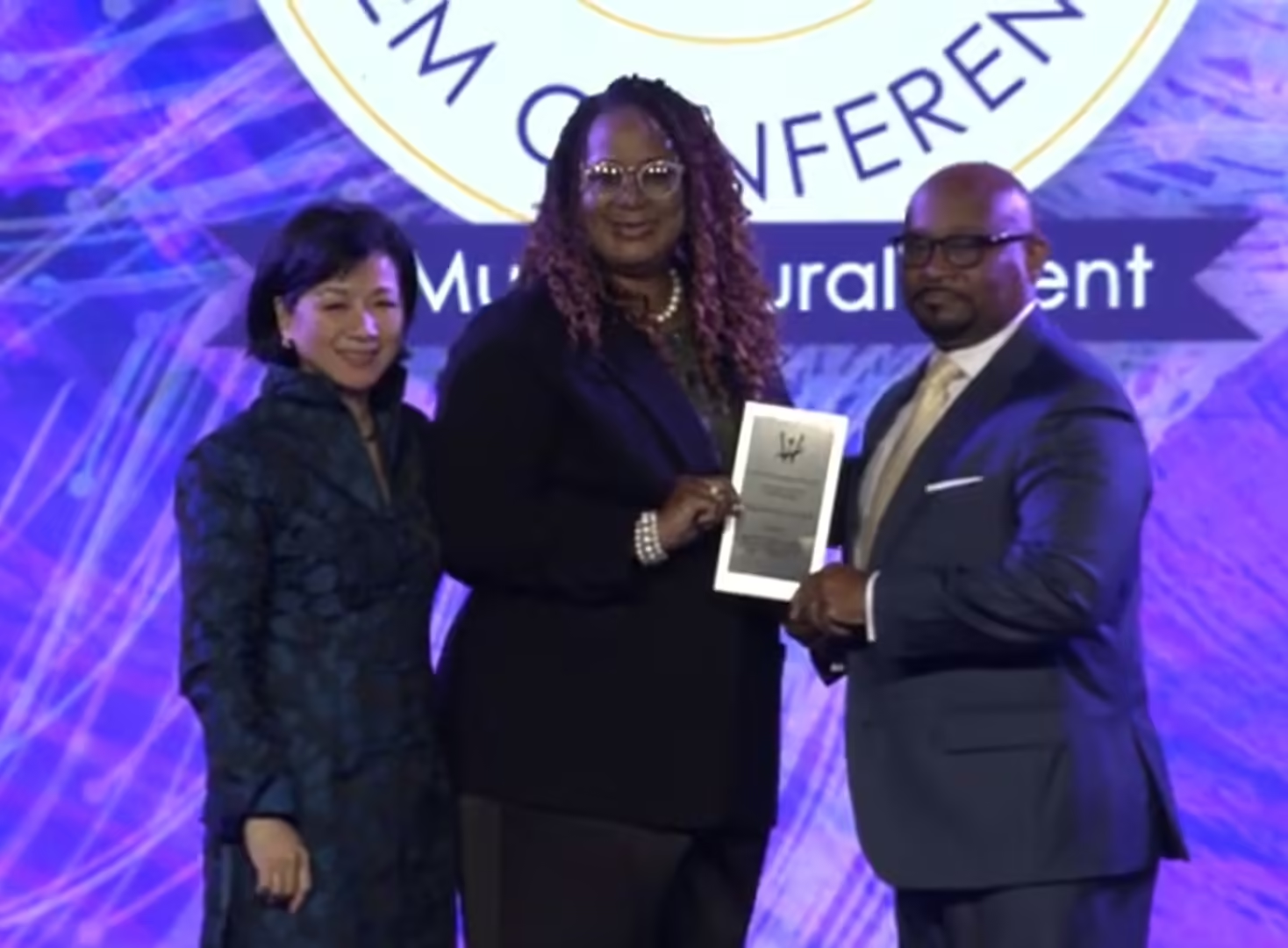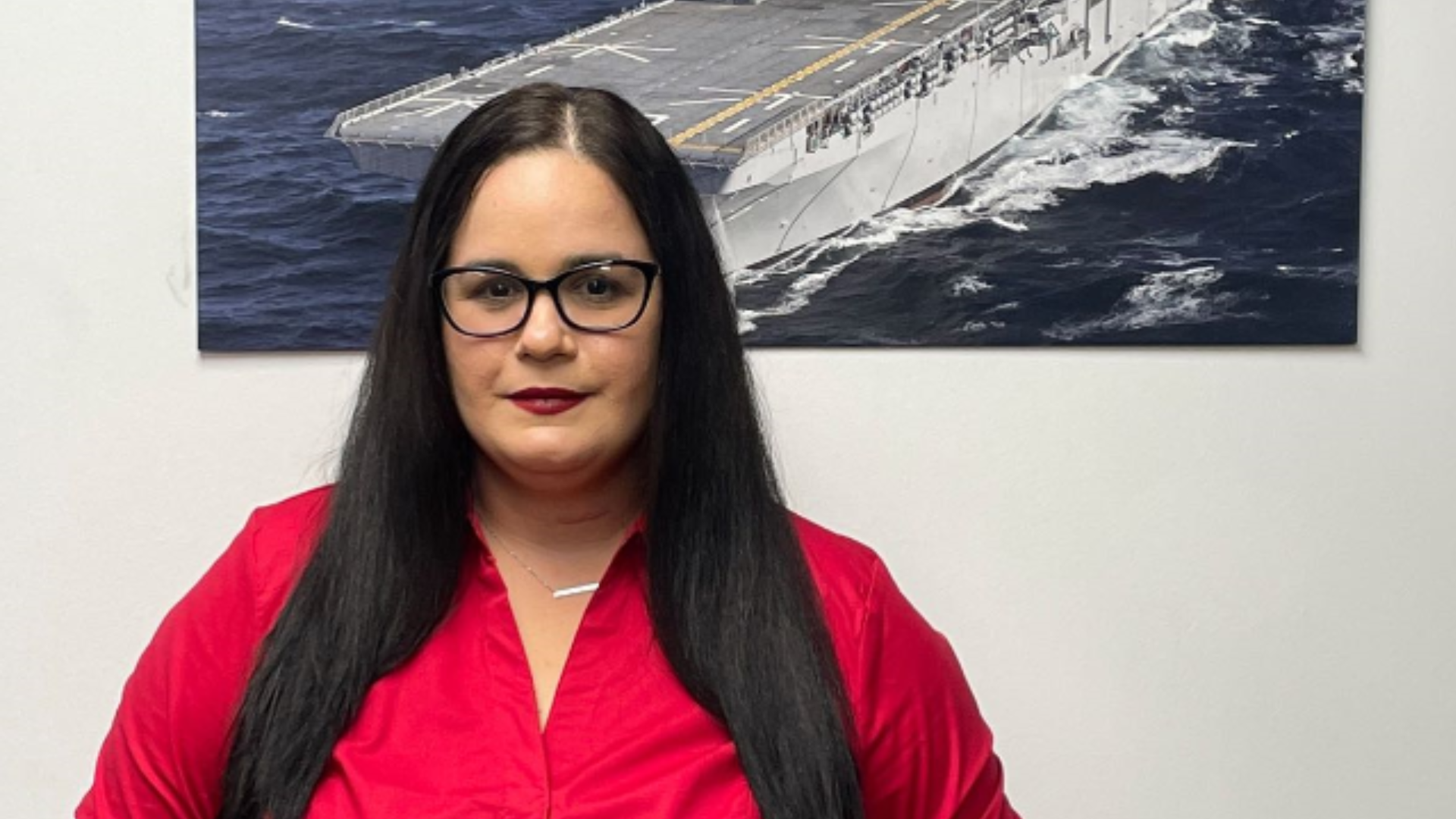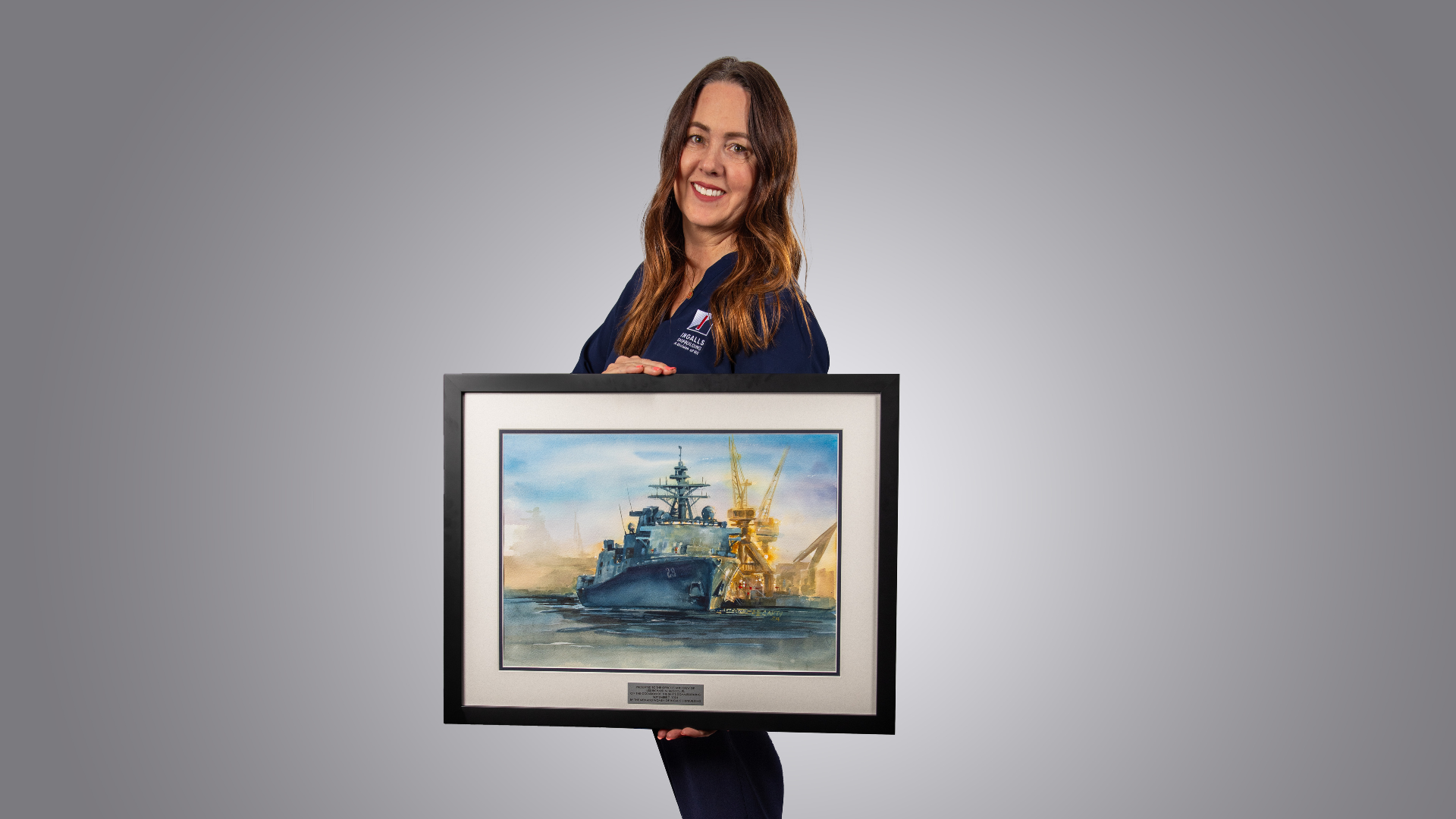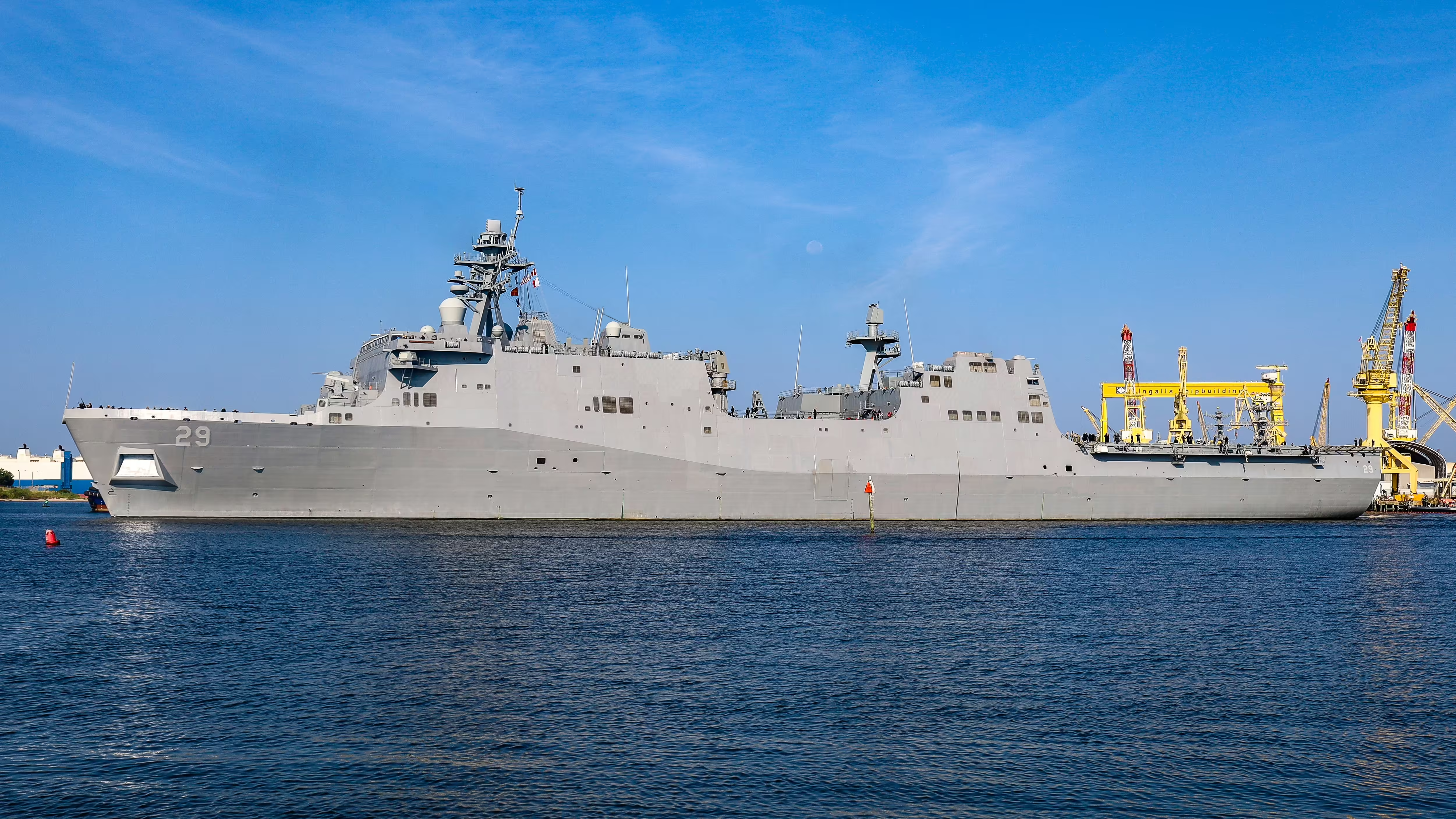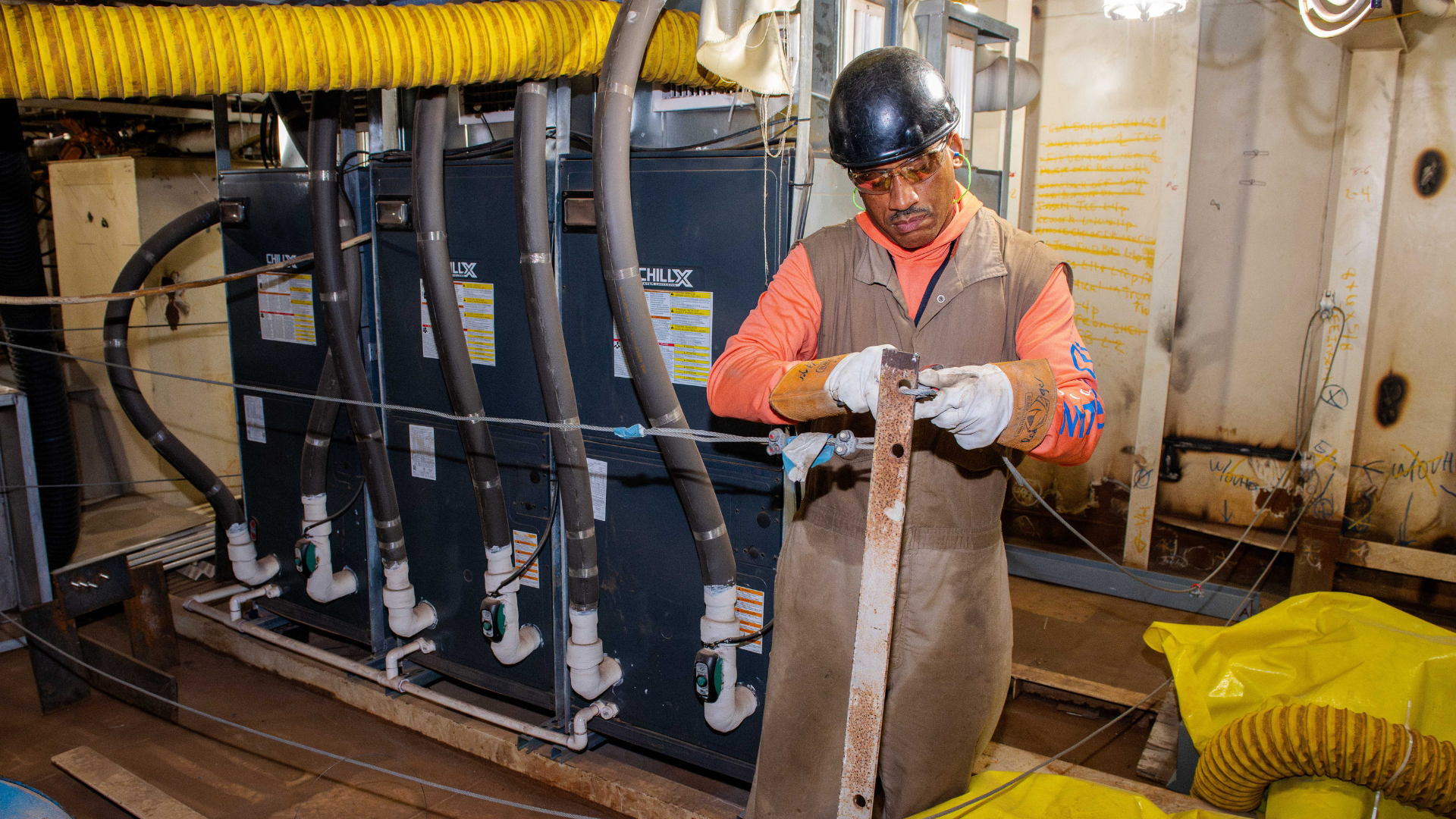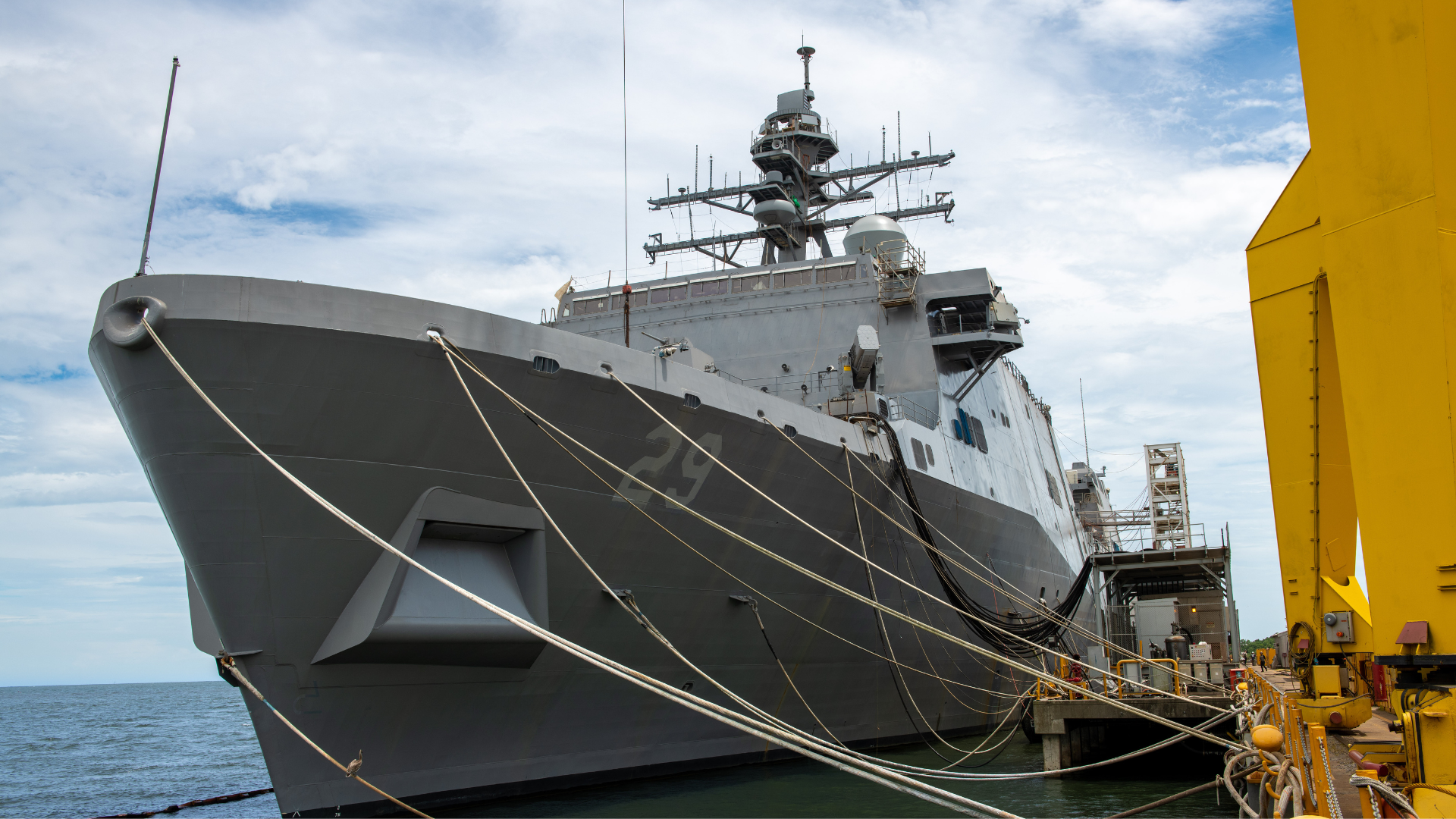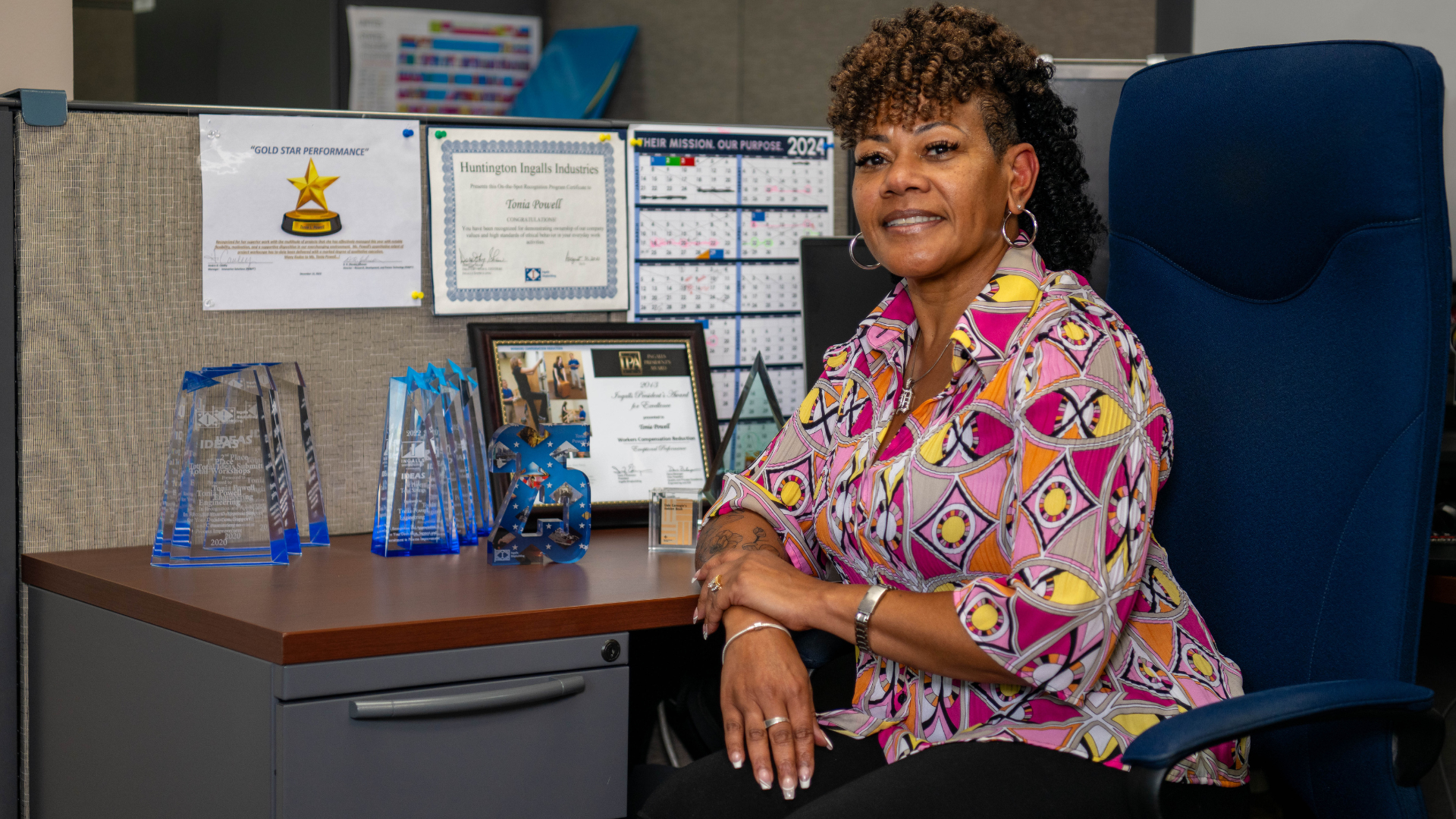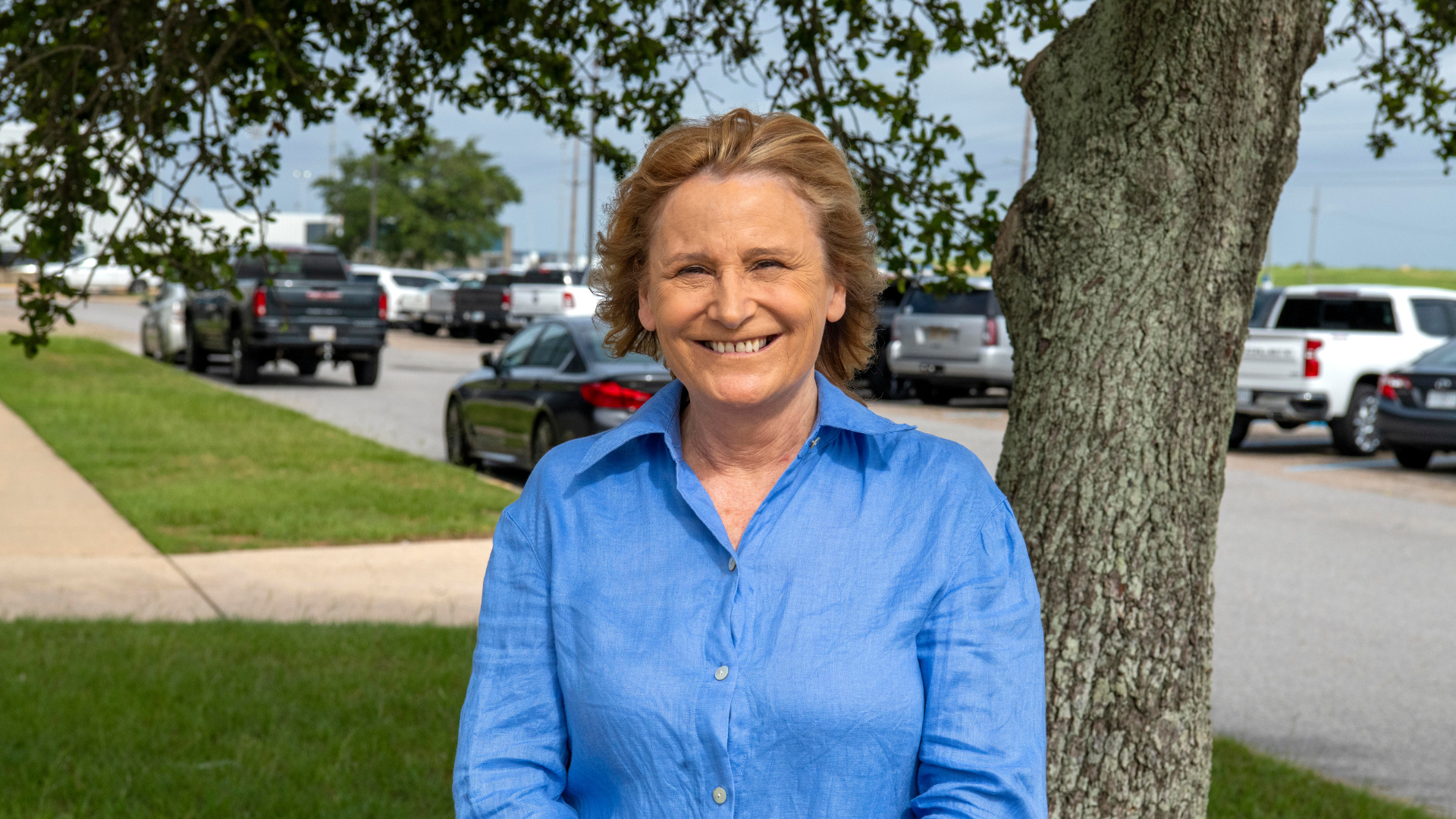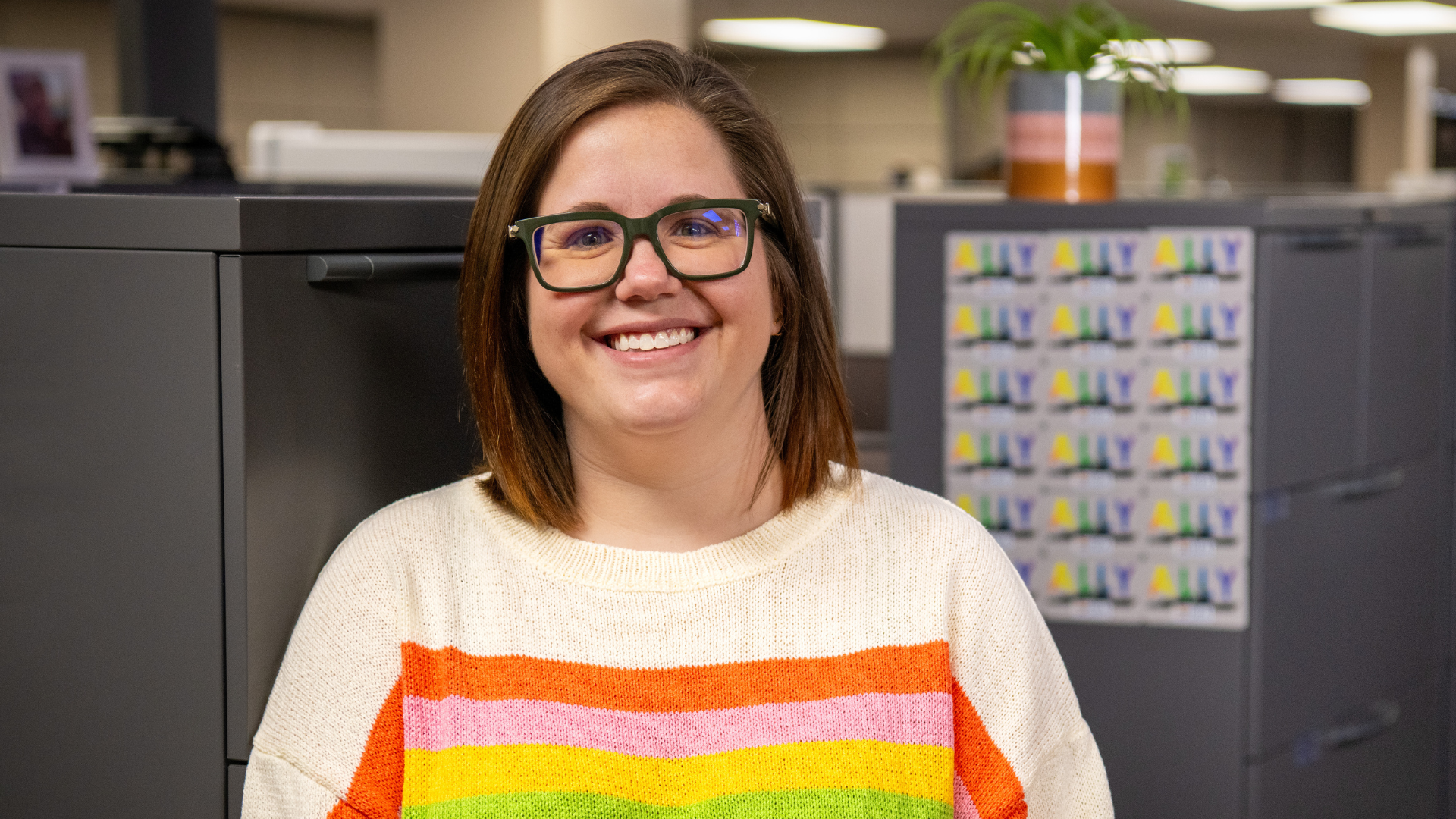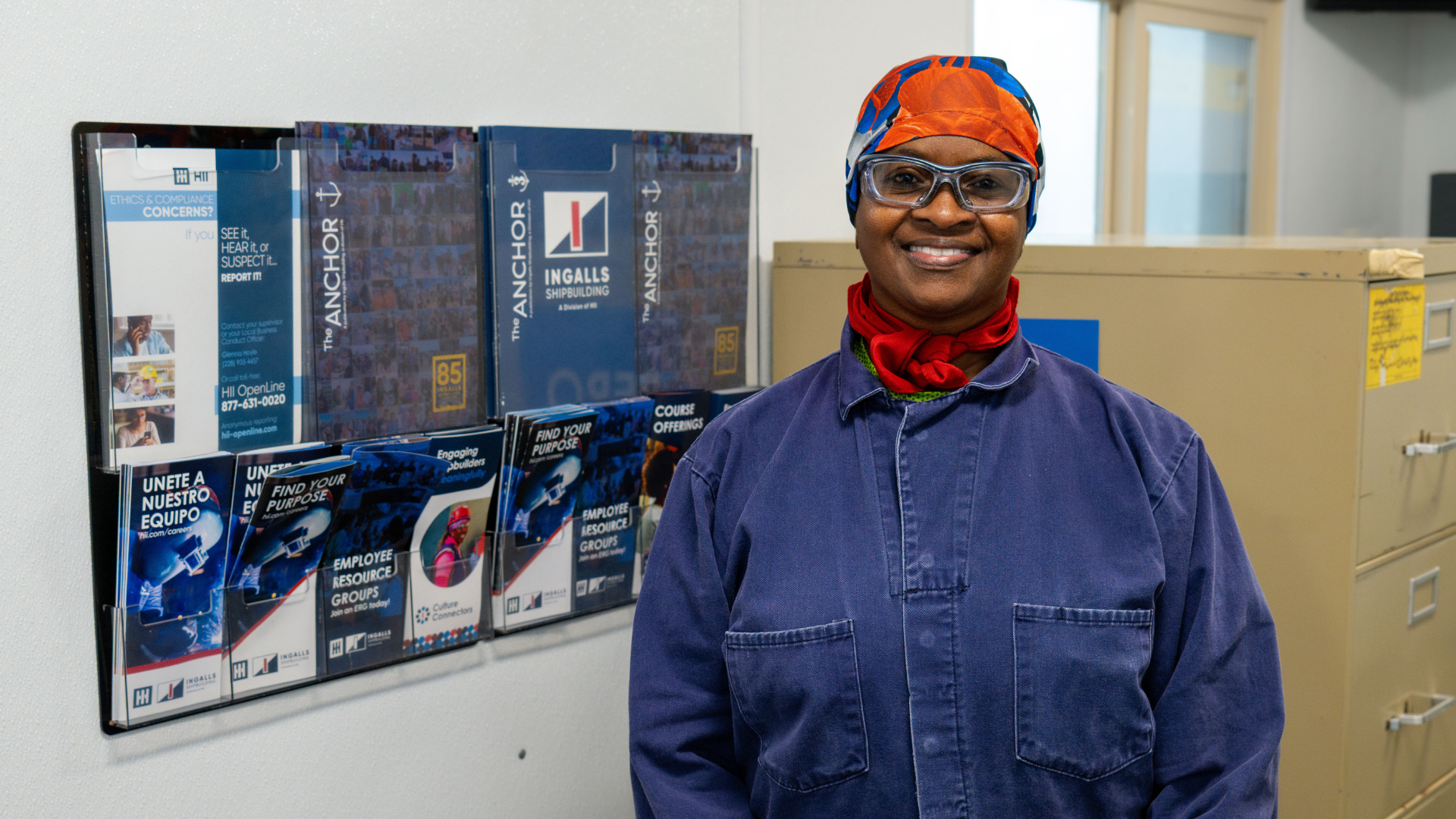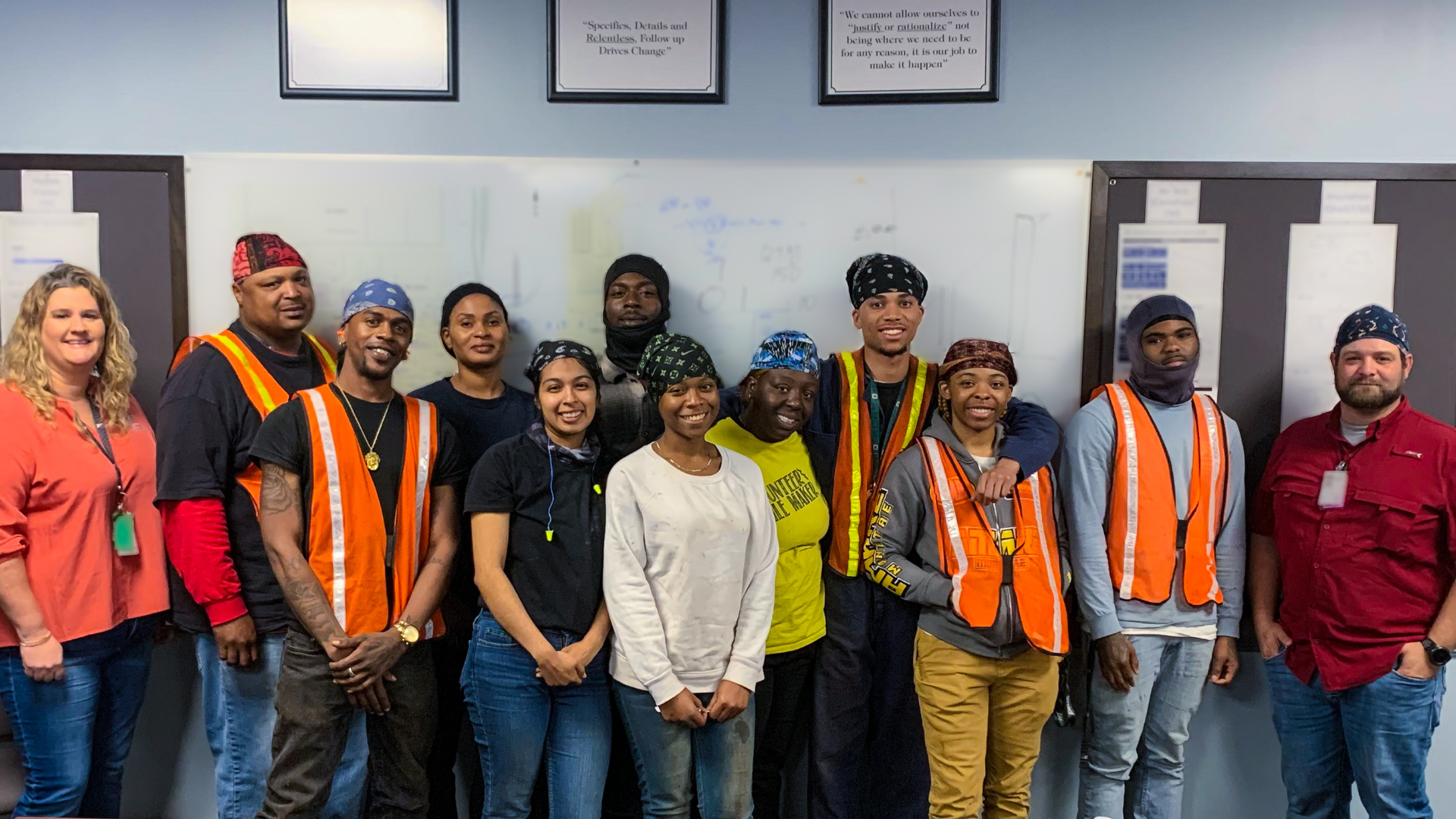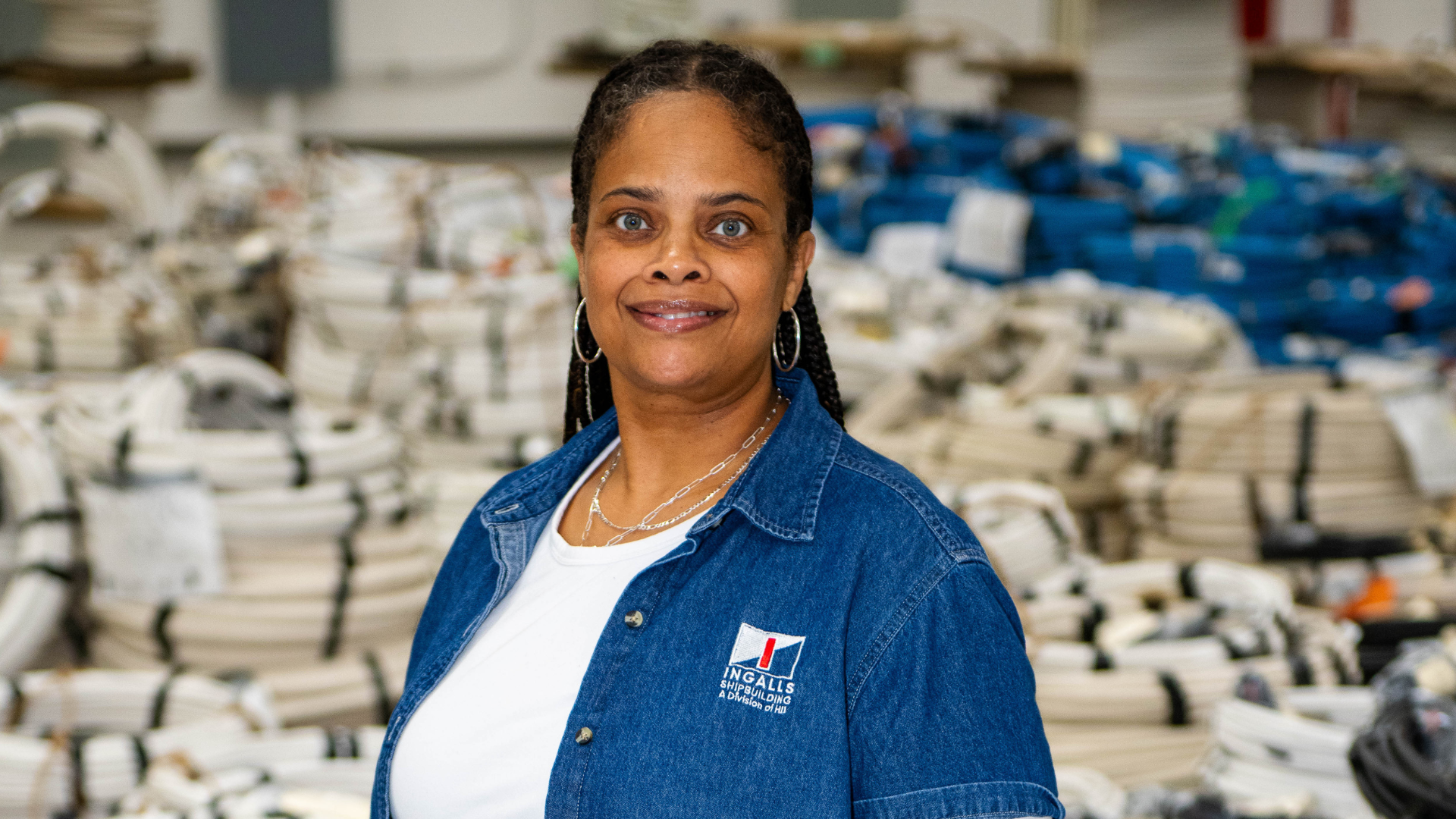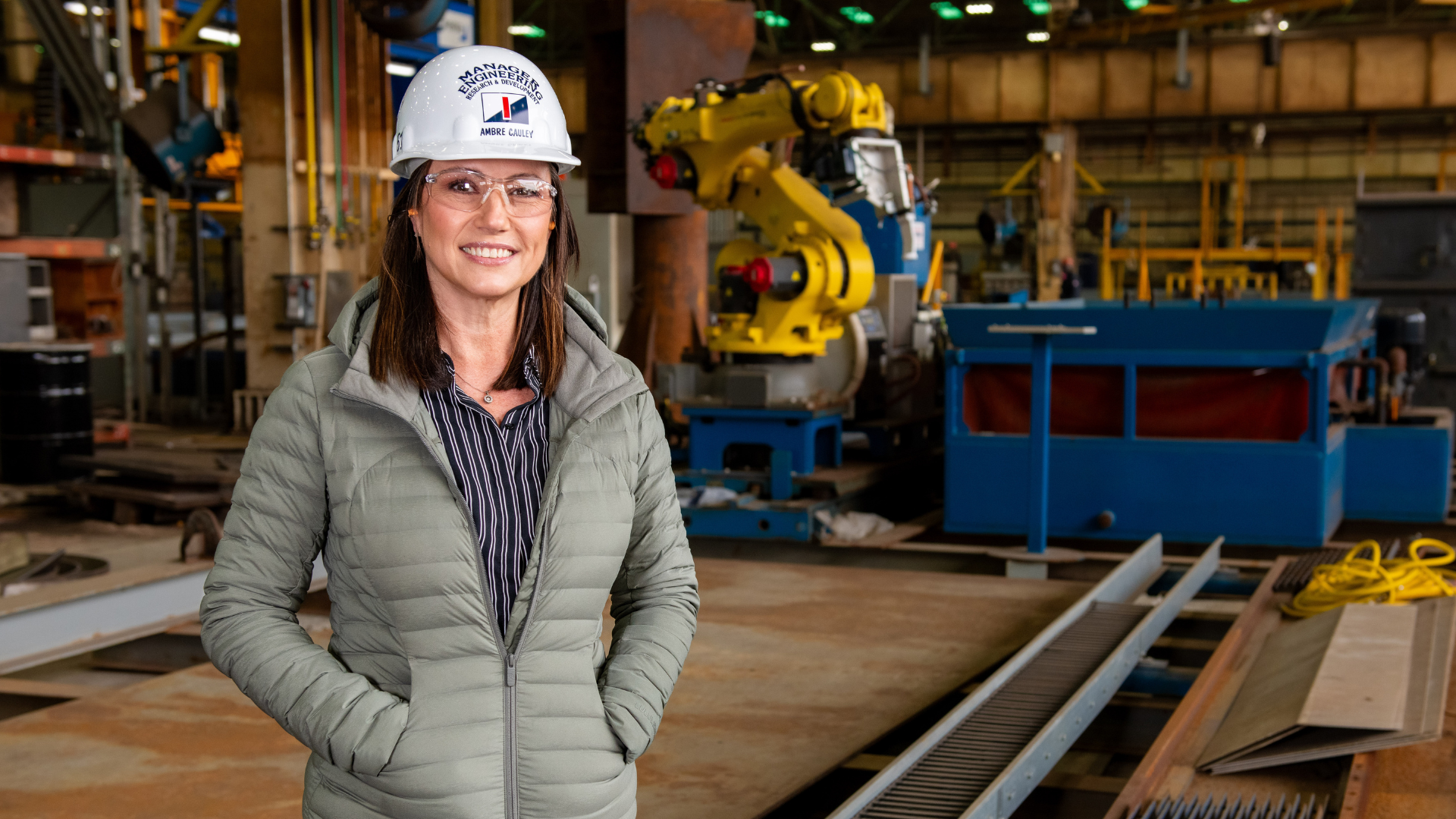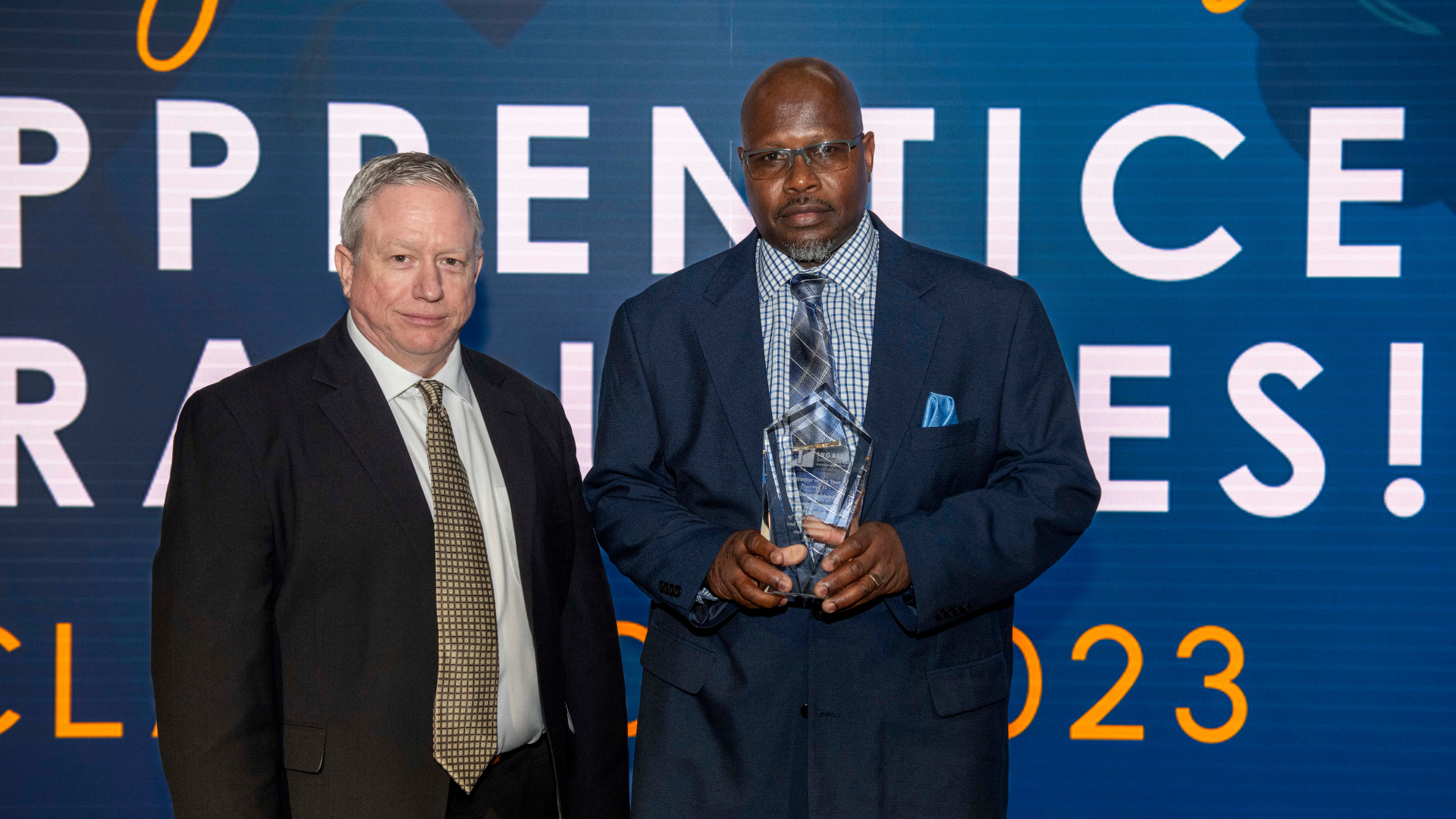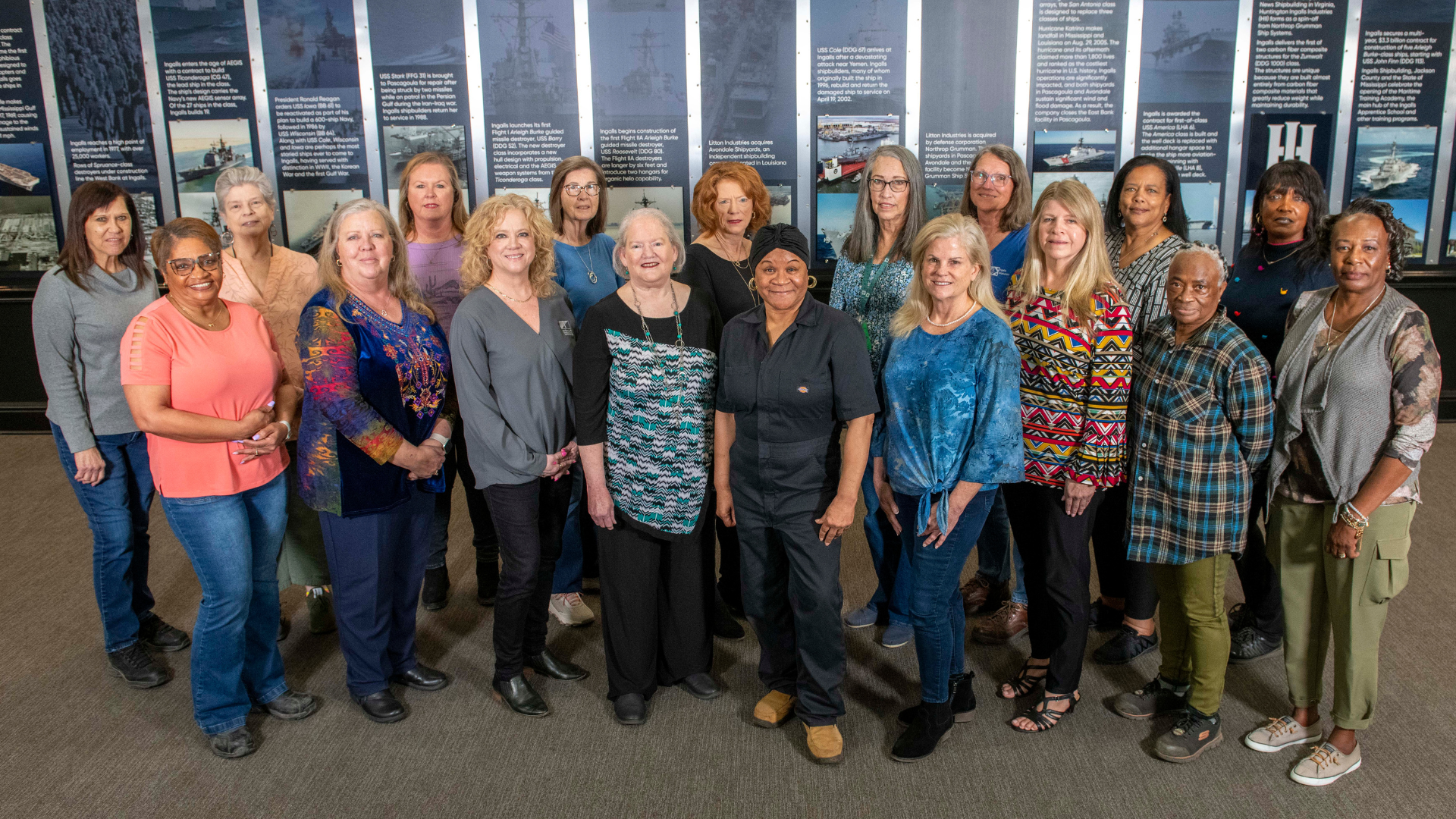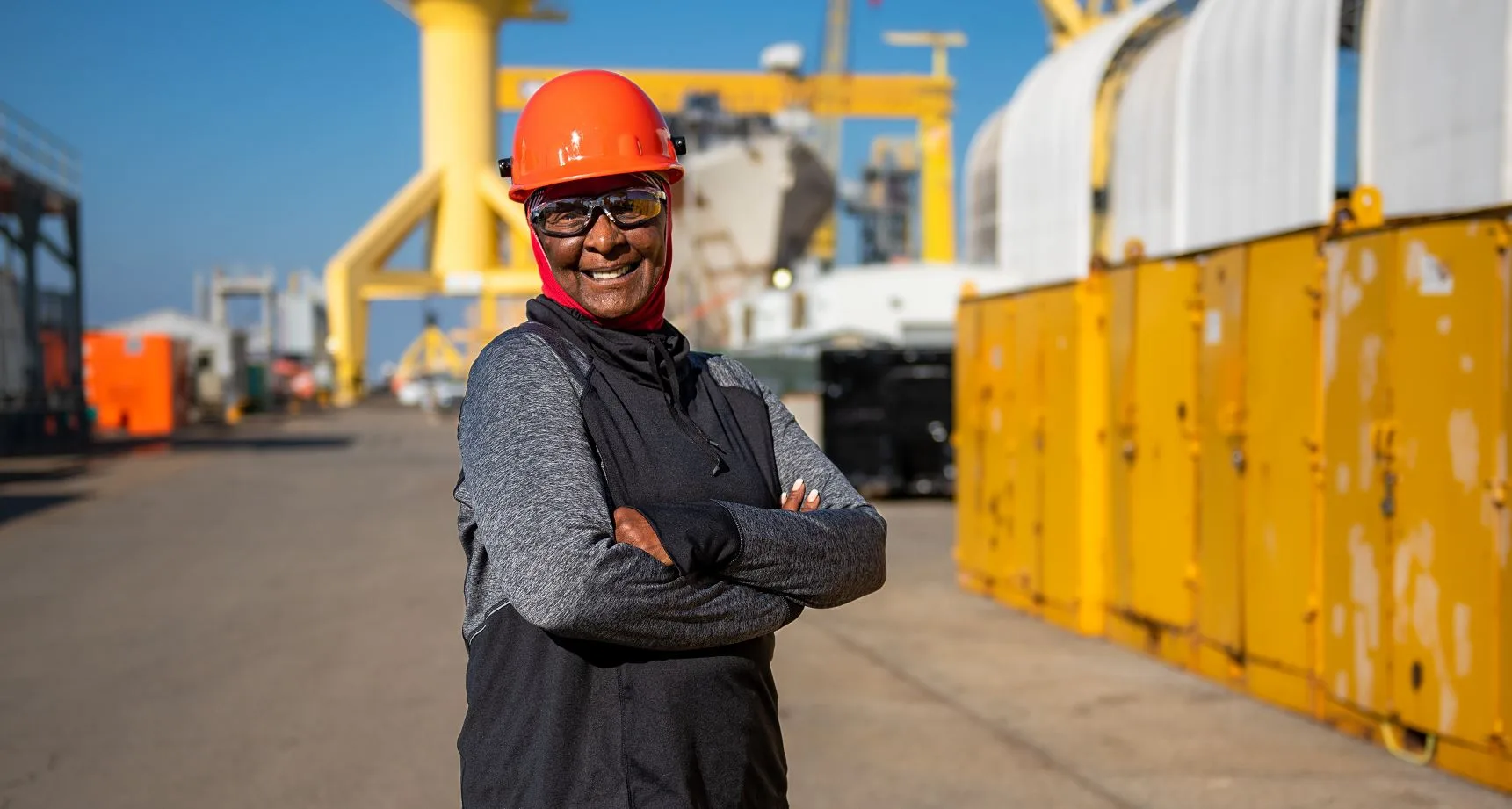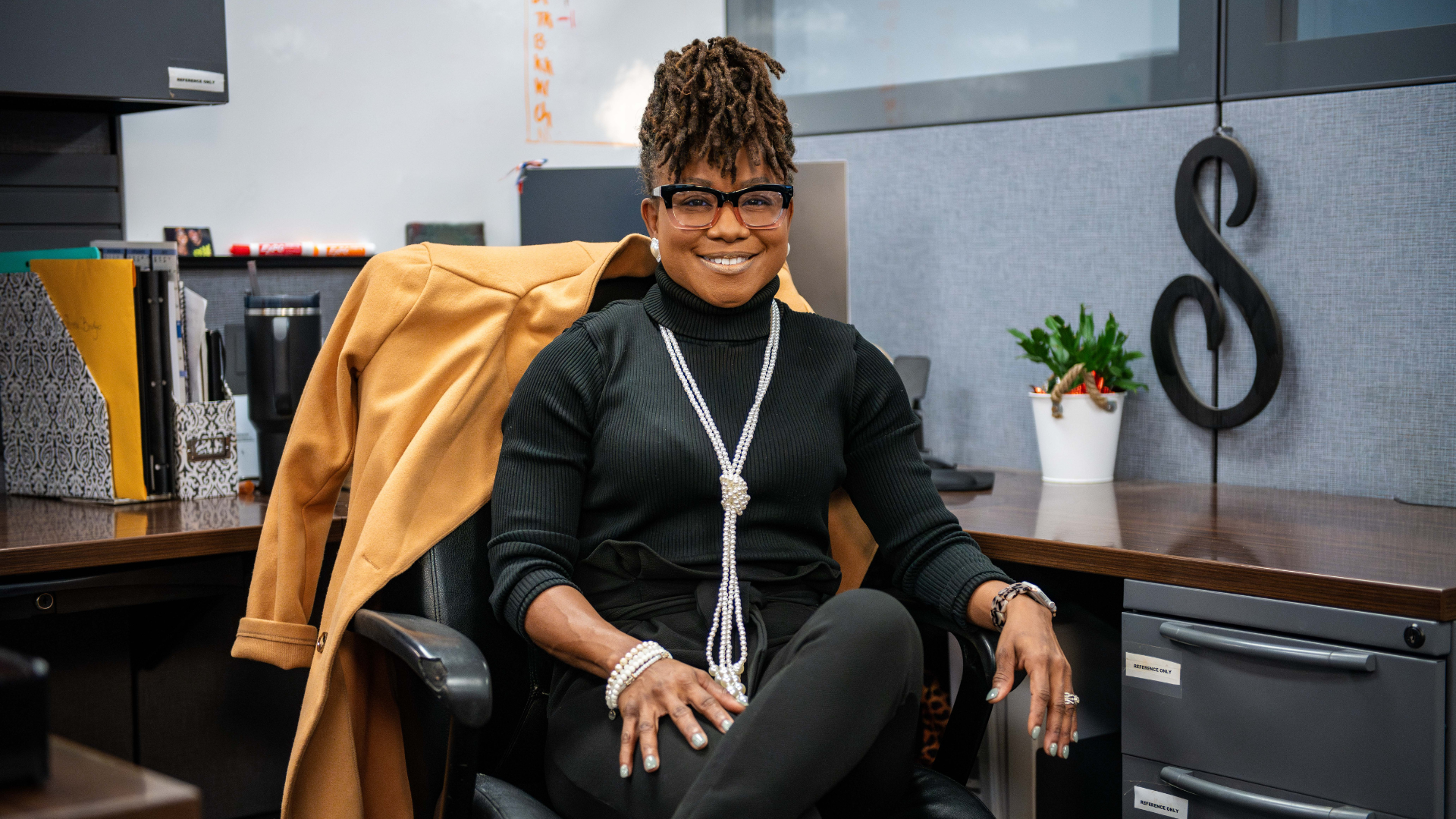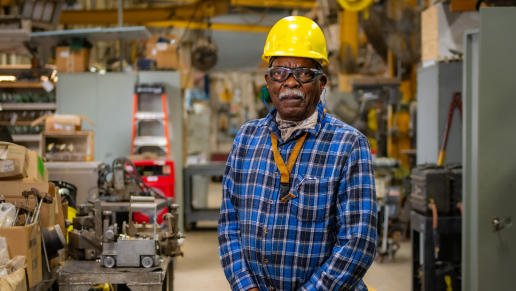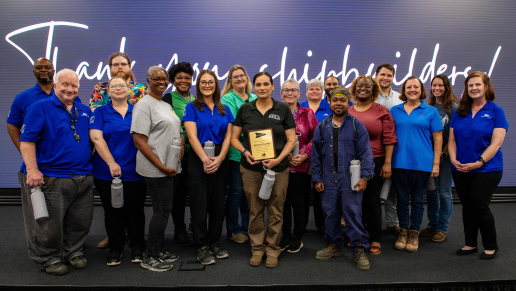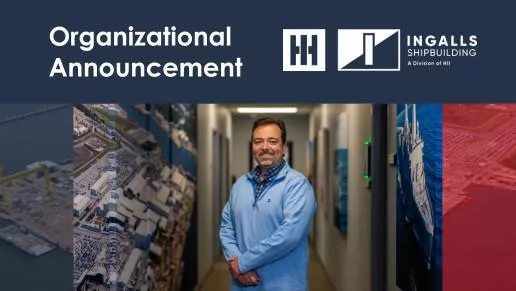
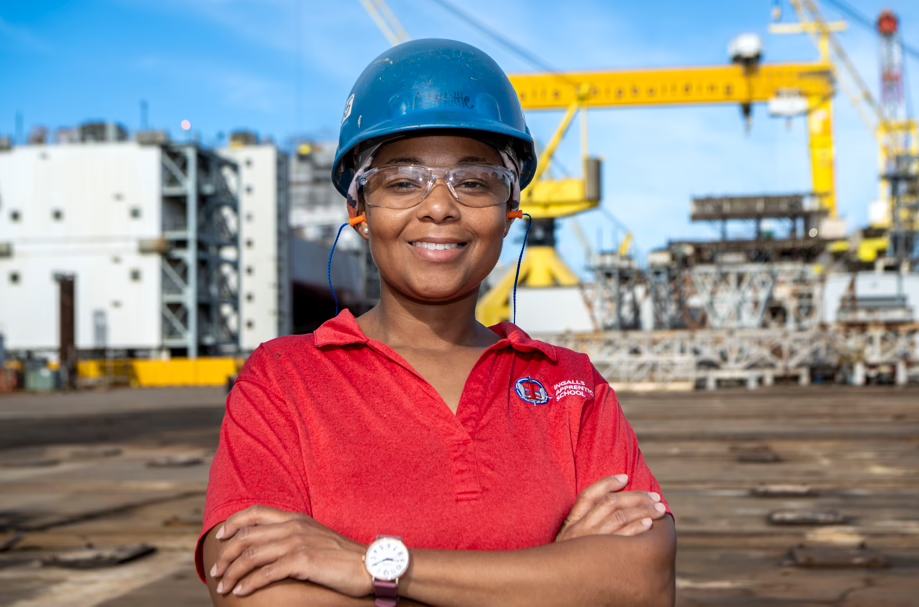

When electrician Quintasha Whittle talks about the importance of protecting cables, she can sum it up in just three words: Respect the fiber. It’s a simple phrase she uses often, and one she hopes others across the yard will adopt, too.
But what does it mean to Respect the Fiber?
For Quintasha, it starts with understanding what’s at stake. She has built a reputation across her crew for being direct, detail‑driven and fiercely protective of the systems she works on. She knows fiberoptic cable isn’t just another piece of equipment; it’s one of the most crucial.
“Fiber carries all the essential data and communication,” she said. “Even the smallest mistake can cause the biggest disruptions. A tiny piece of dust can take it down.”
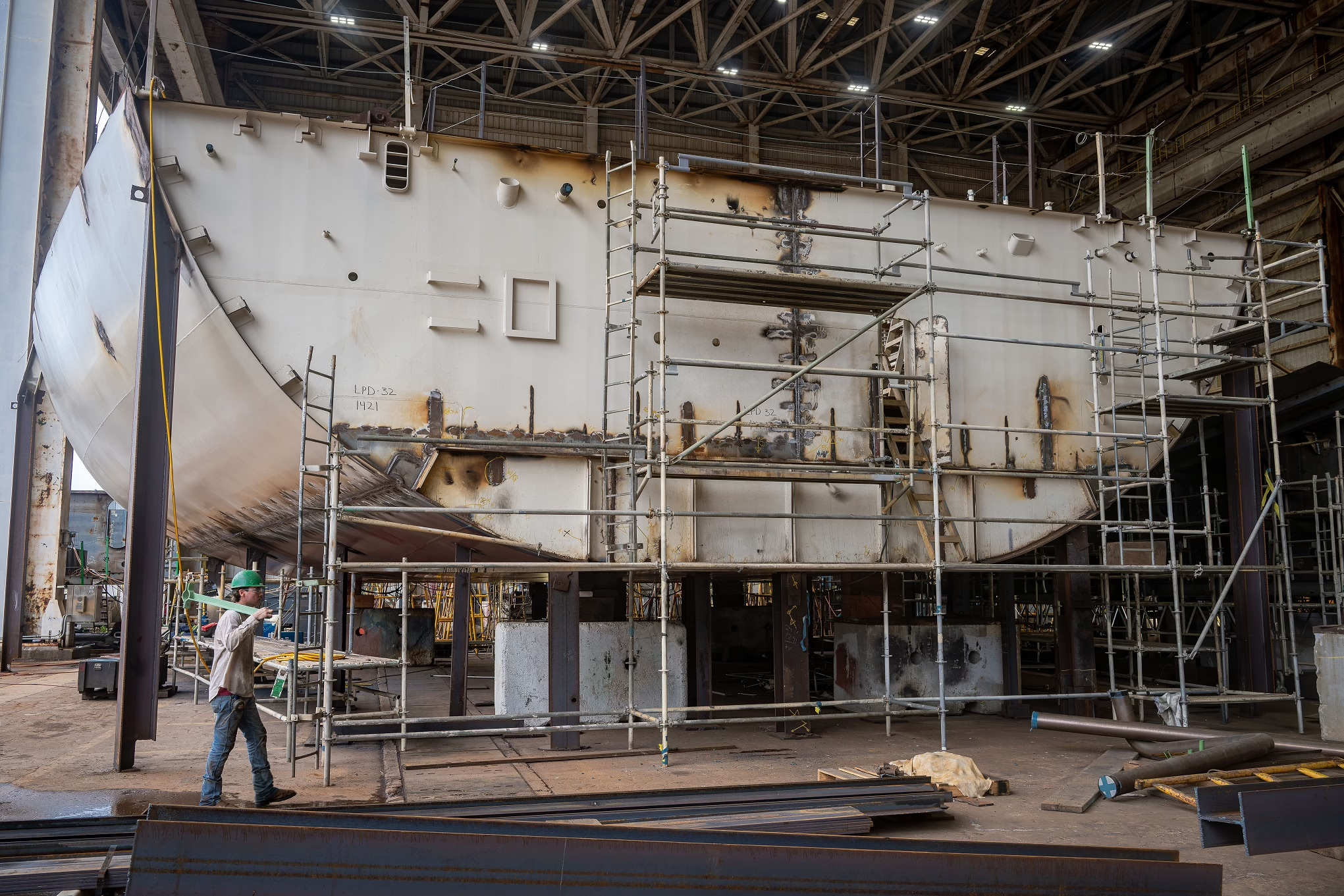
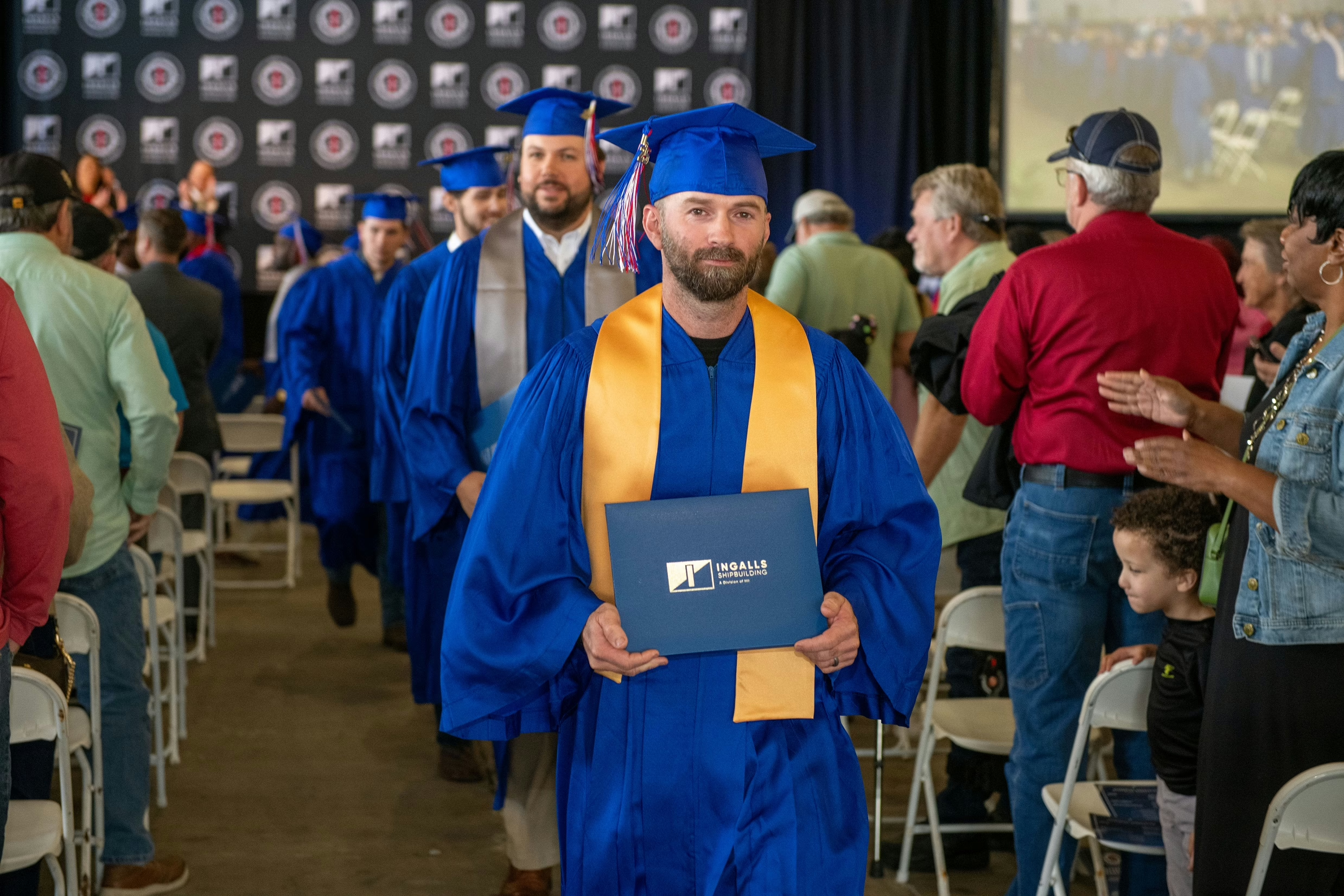
Her deep understanding of the fragile, high‑tech material comes from hands‑on experience. A graduate of the Ingalls Apprentice School, she now handles complex fiber work that requires a steady hand and an eye for imperfections. She’s seen firsthand how quickly things can go wrong and how long they take to fix.
“A cable might test good one day and fail the next,” she said. “Then you break it down, clean it and inspect it to figure out what happened. It’s a process. And every unnecessary repair means lost time.”
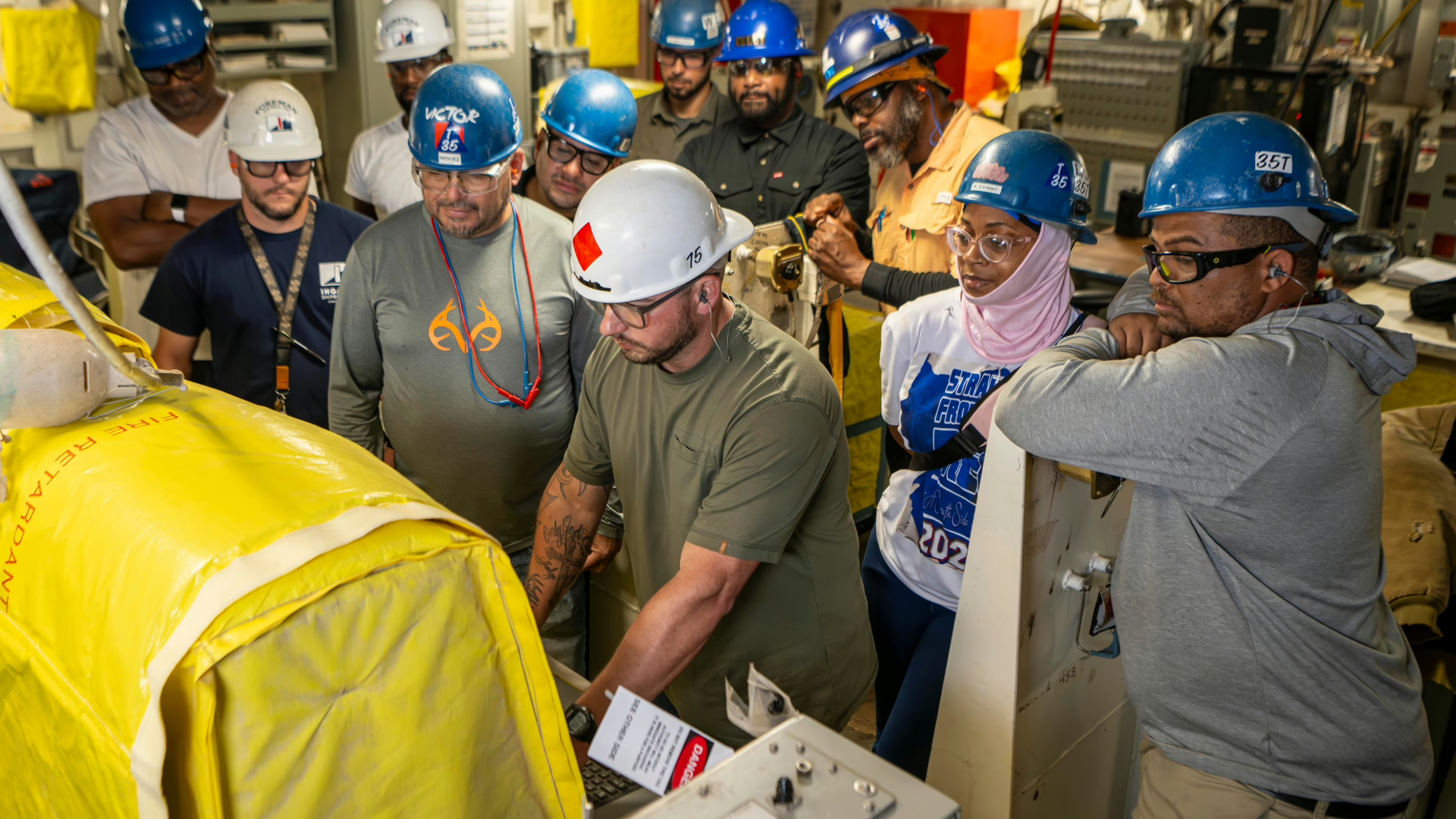
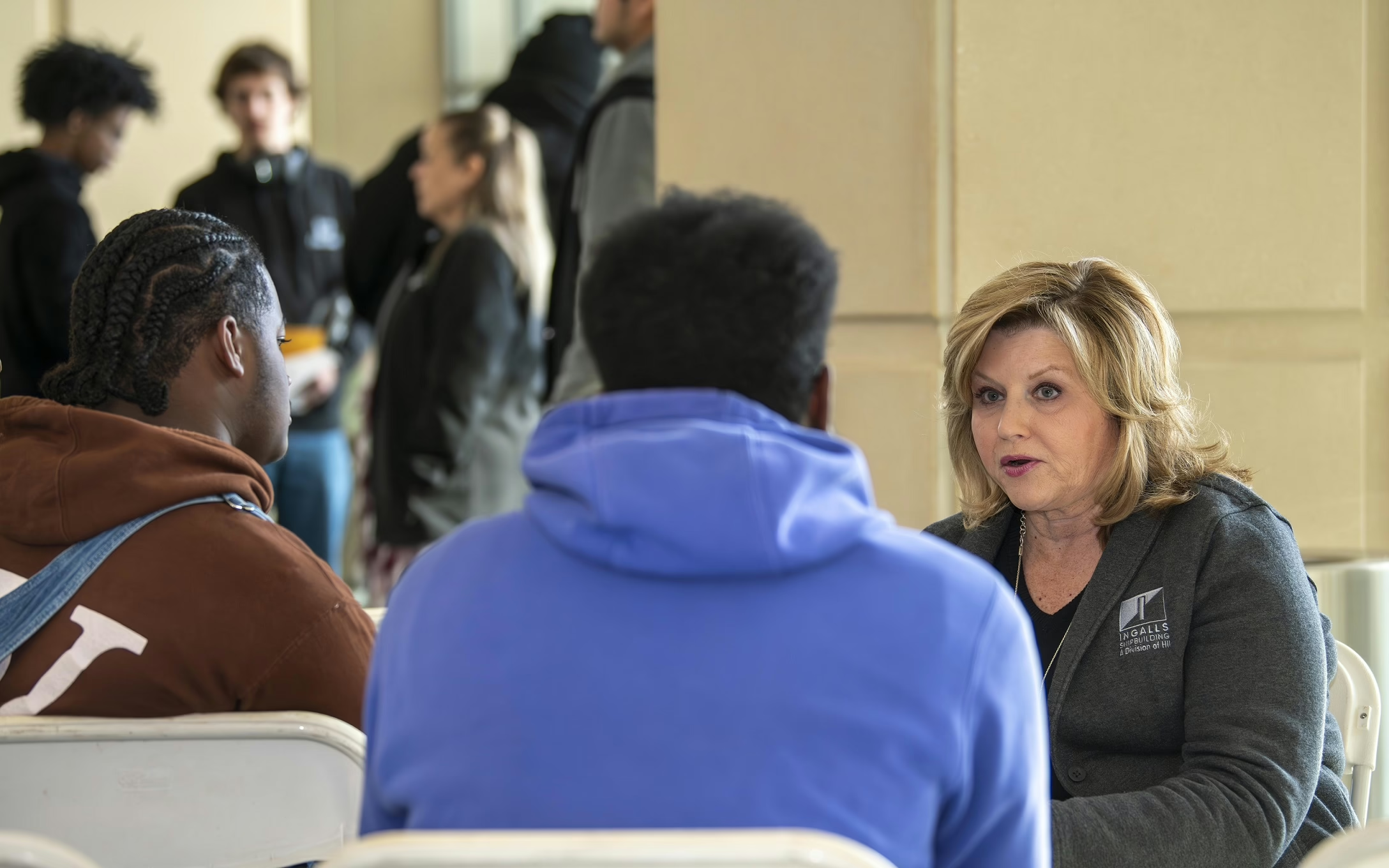
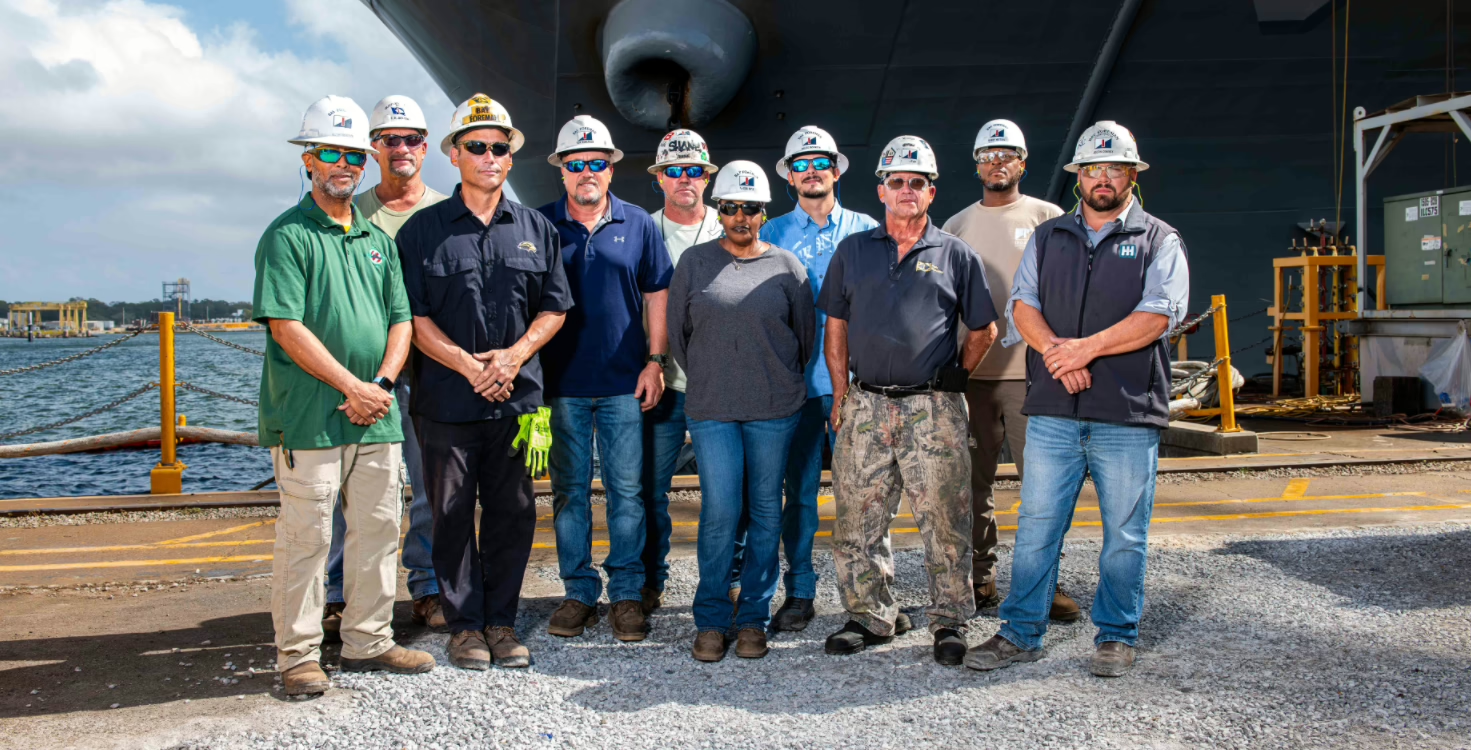
Over the past year, that insight, combined with her willingness to speak up, has made her a central voice in the shipyard’s focus on cable protection and education. She regularly coaches newer electricians and raises concerns early, especially when damage happens before her team even receives the cable.
“A lot of people just don’t know,” she said. “If you see a cable on the deck, hang it up. Don’t leave it where someone can step on it. And if someone’s doing something they shouldn’t, say something. They won’t know unless someone tells them.”
One of her simplest lessons is also the most important: know what you’re looking at.
“Fiber is blue,” she said. “It’s easy to recognize. Once you know that, you know not to step on it, sit on it or pull it.”
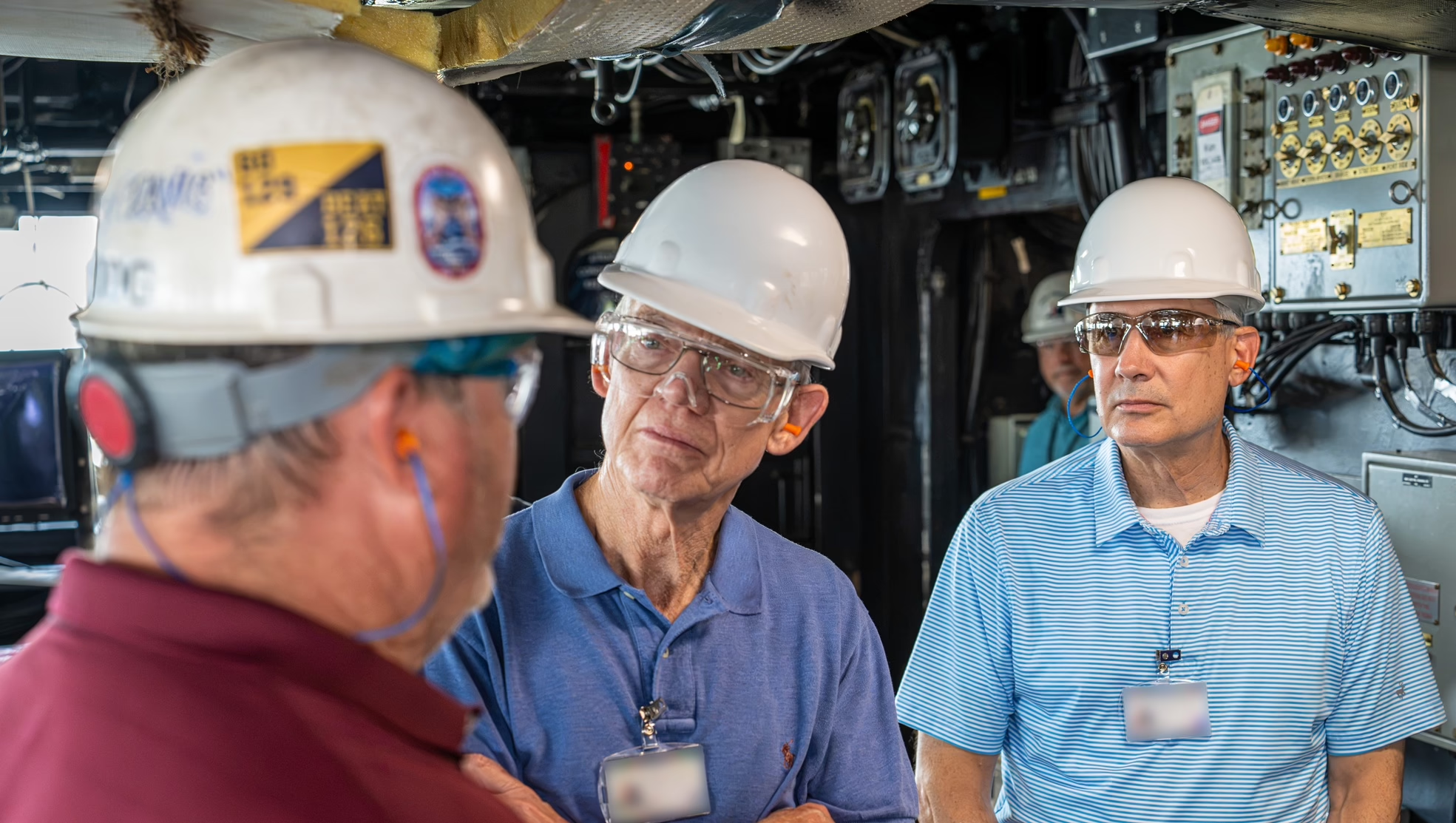
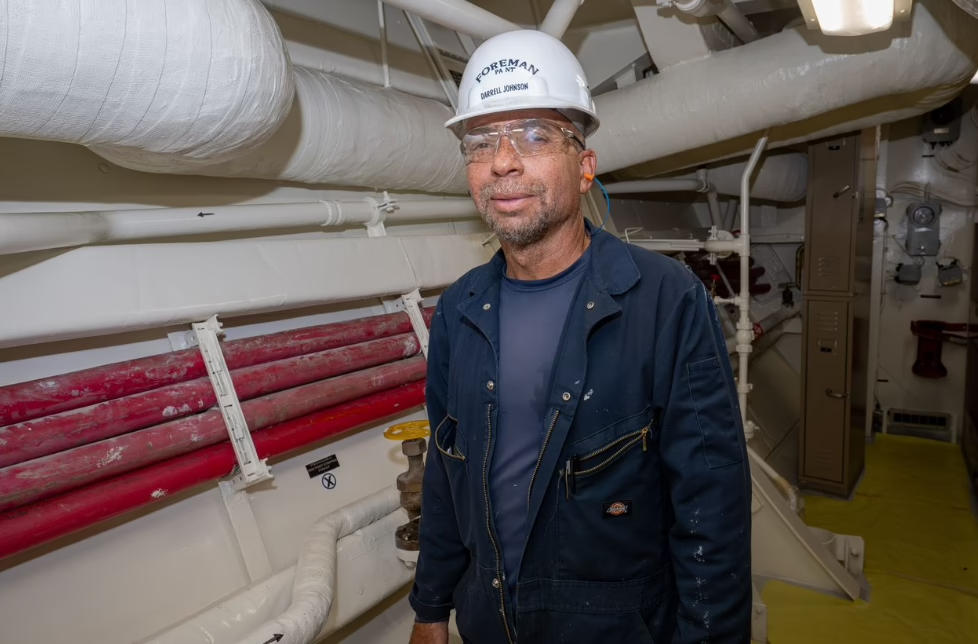
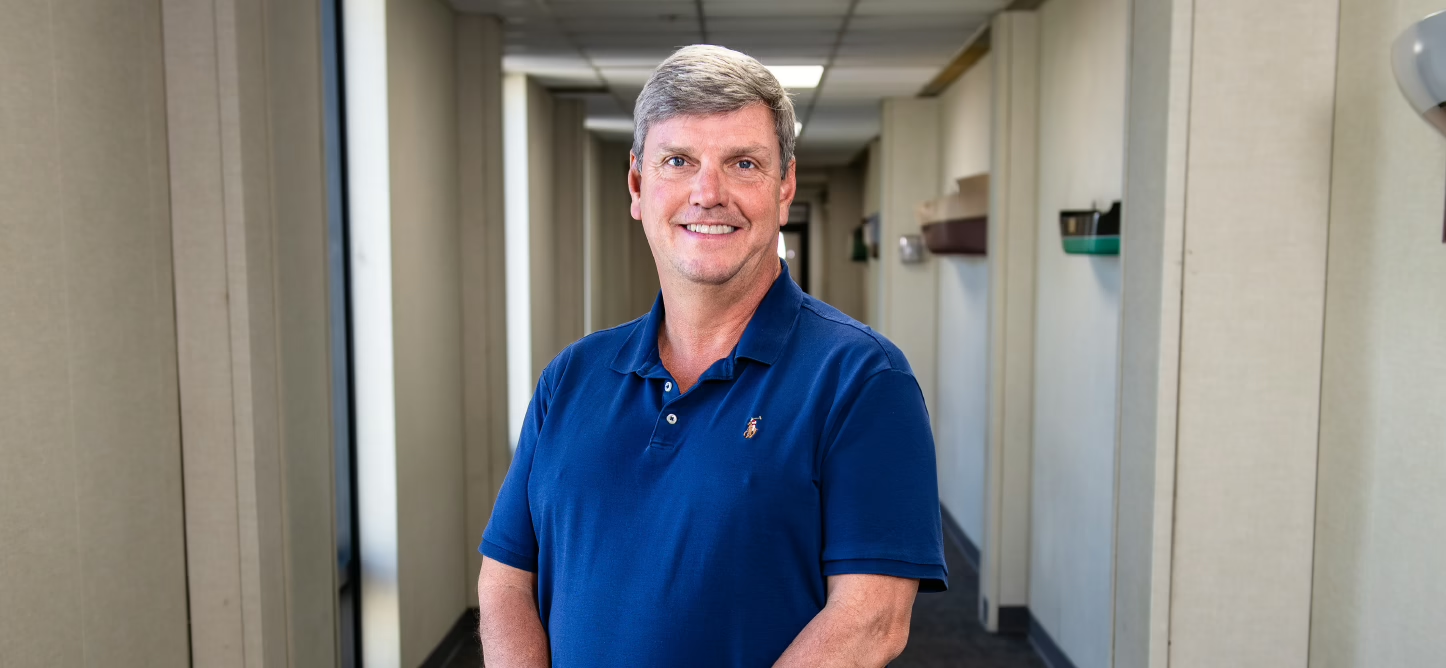
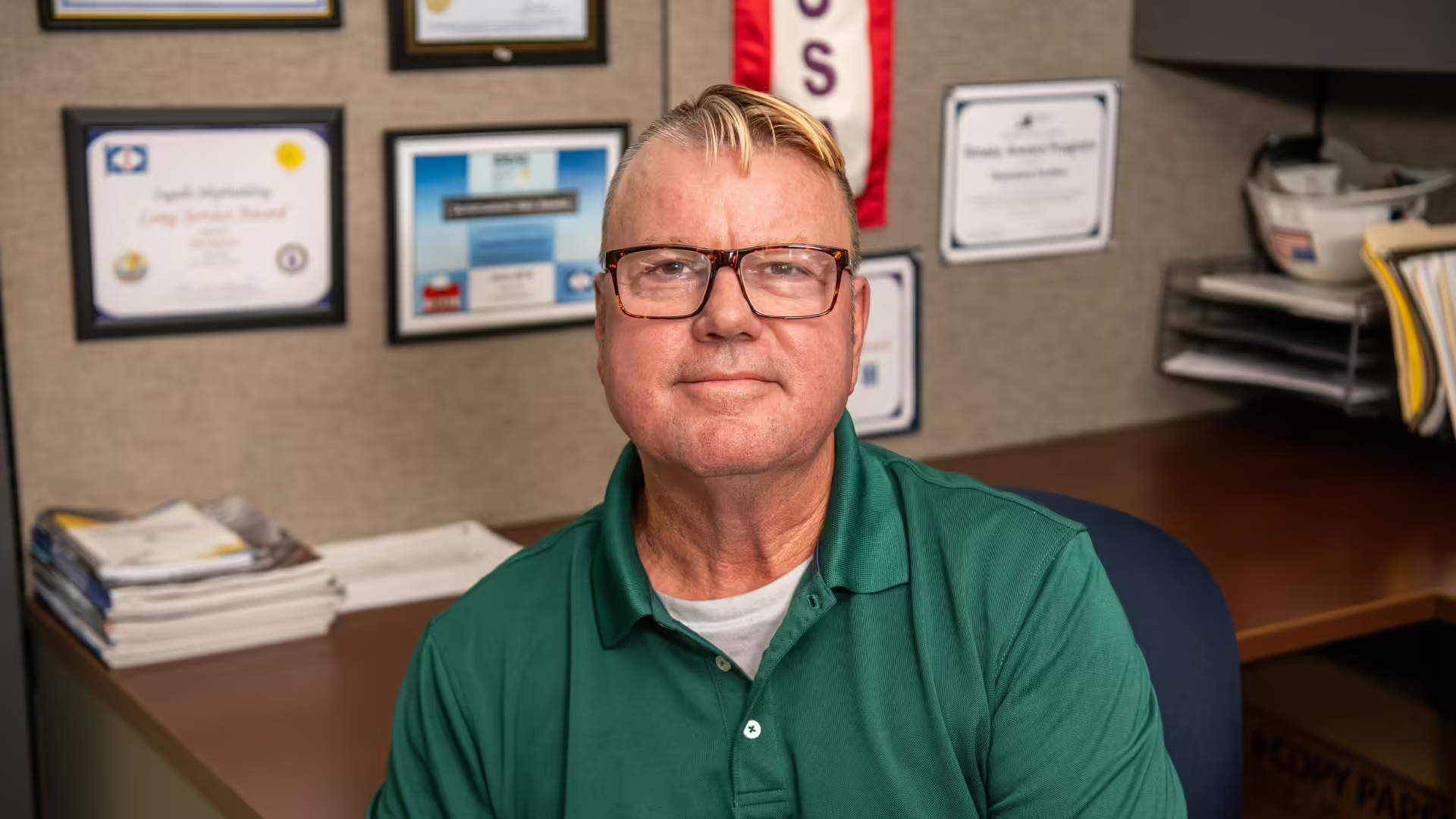
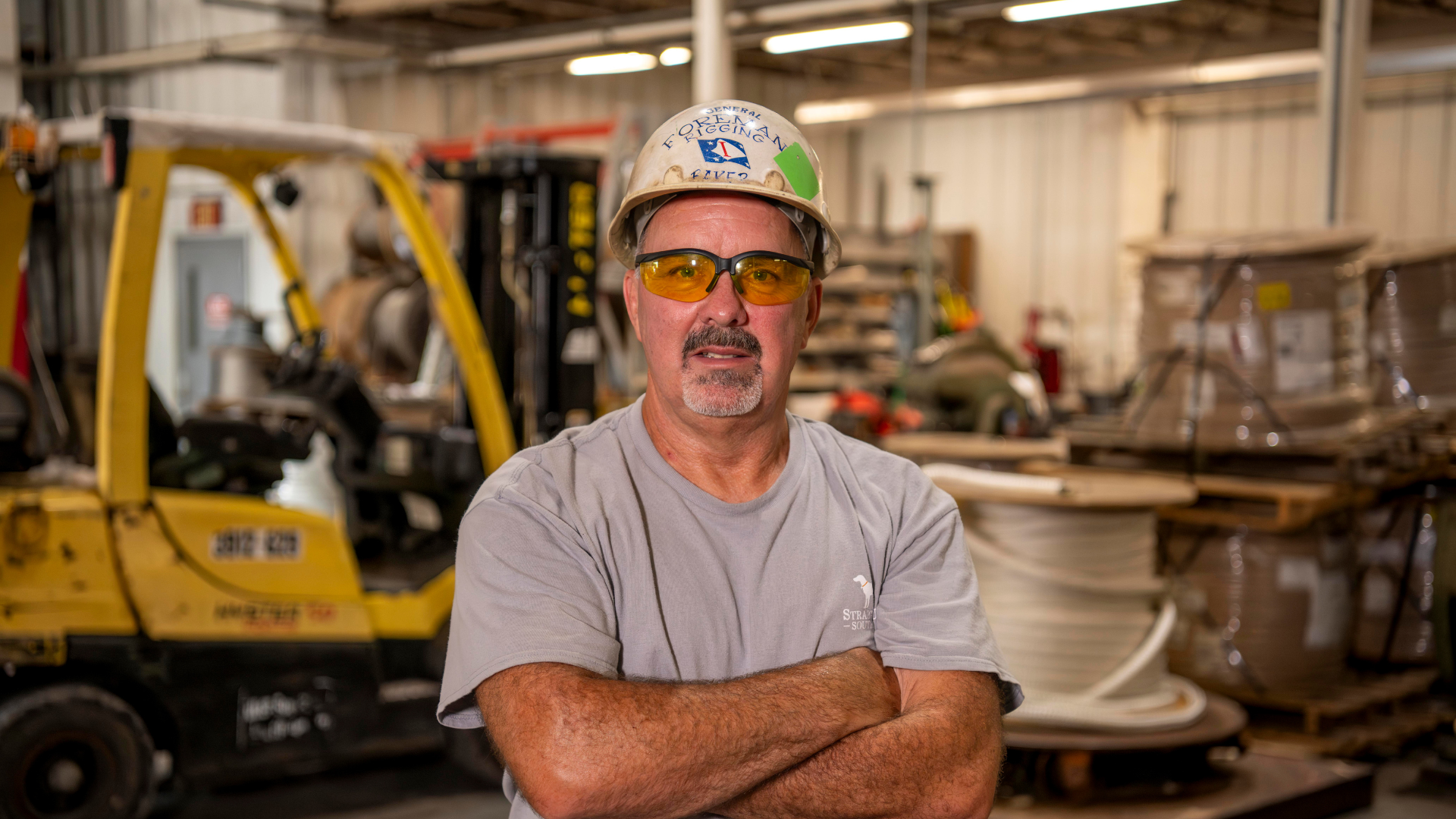
According to Electrical foreman Phillip Howell, Quintasha’s influence reaches far beyond her own work.
“She has incredible attention to detail and first‑time quality,” he said. “She leads by example, and she isn’t afraid to speak up when something’s wrong. That kind of leadership makes the whole crew better.”
He said her work ethic reflects the high stakes tied to fiber across the ship.
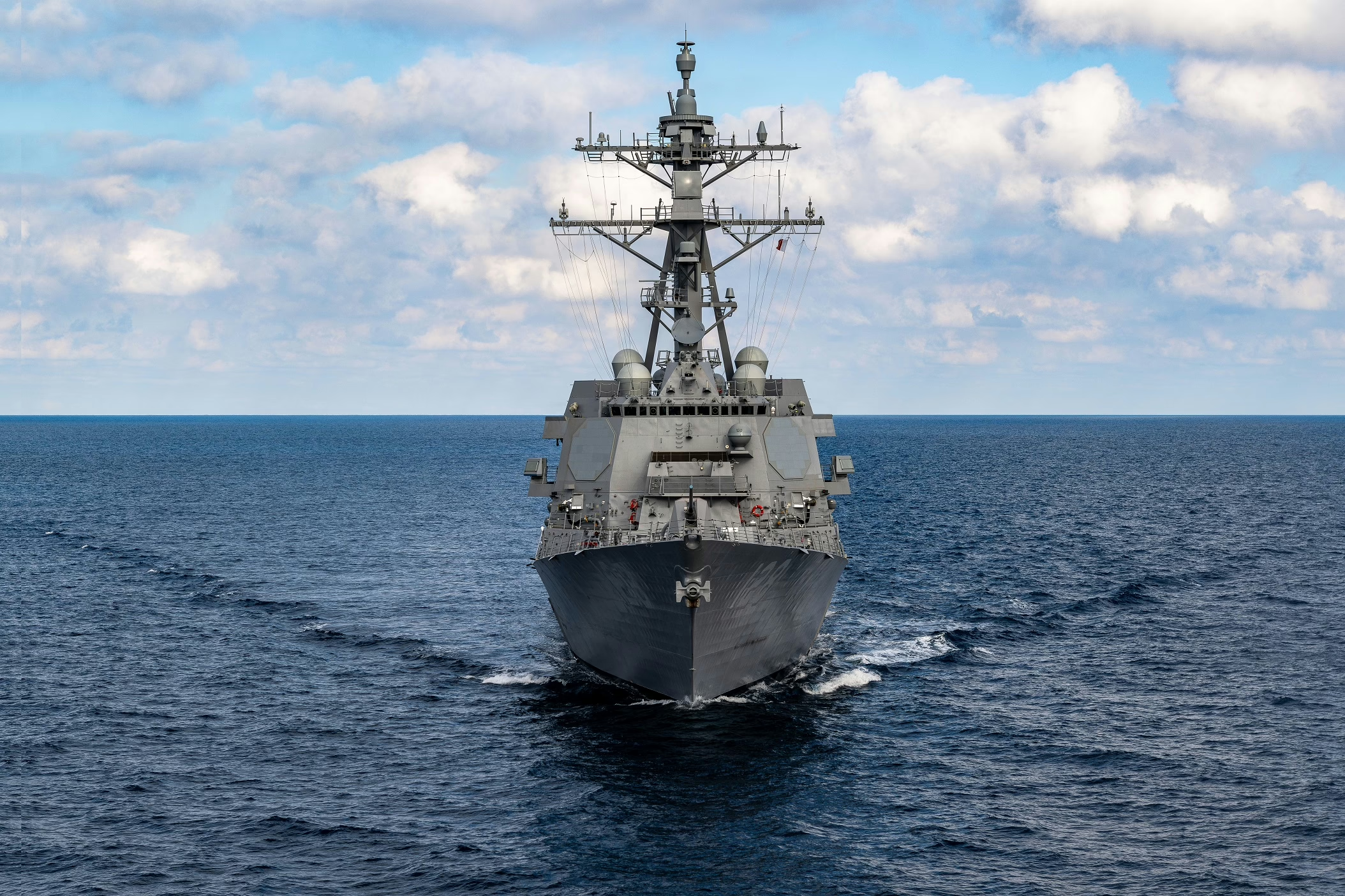
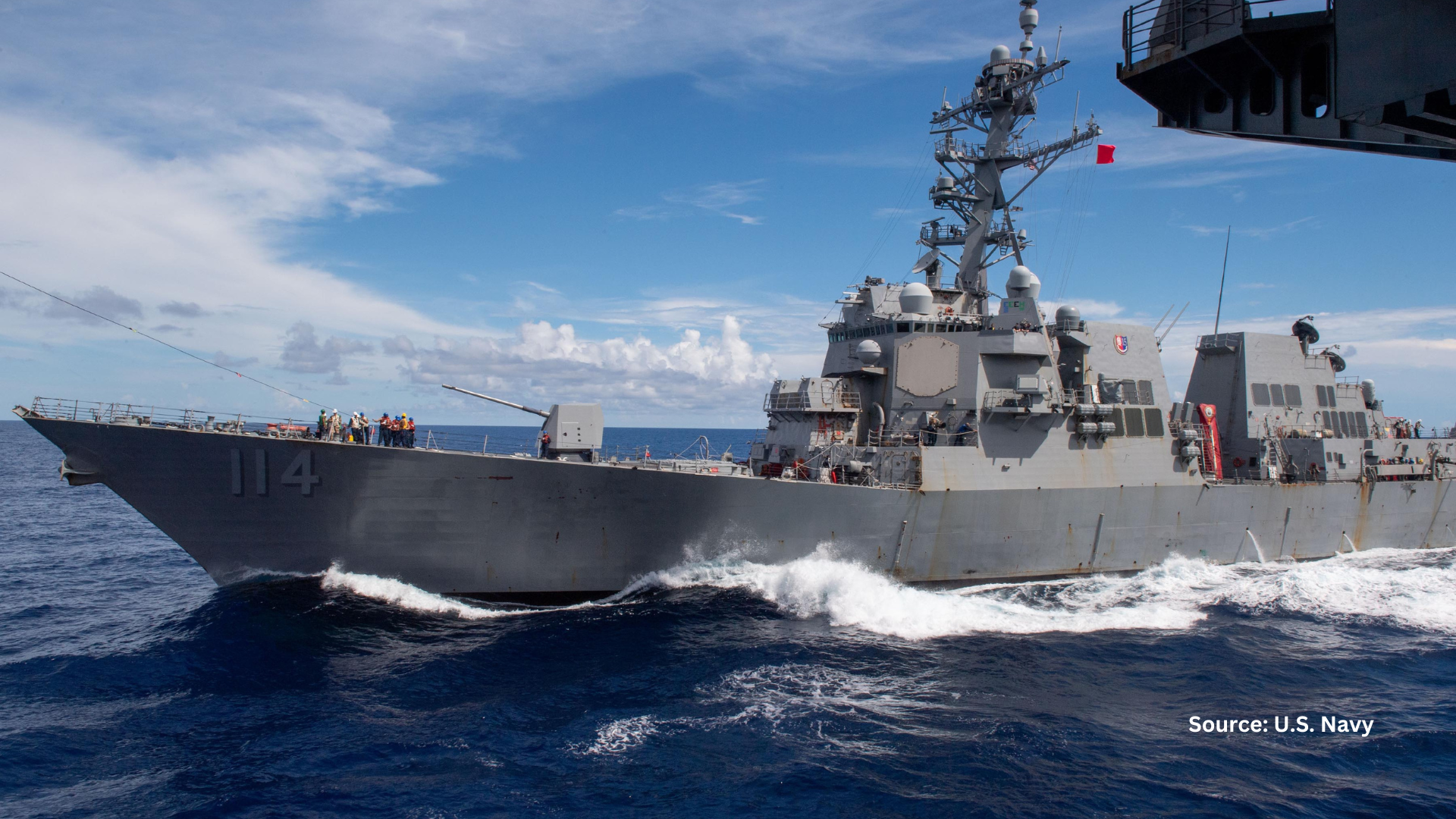
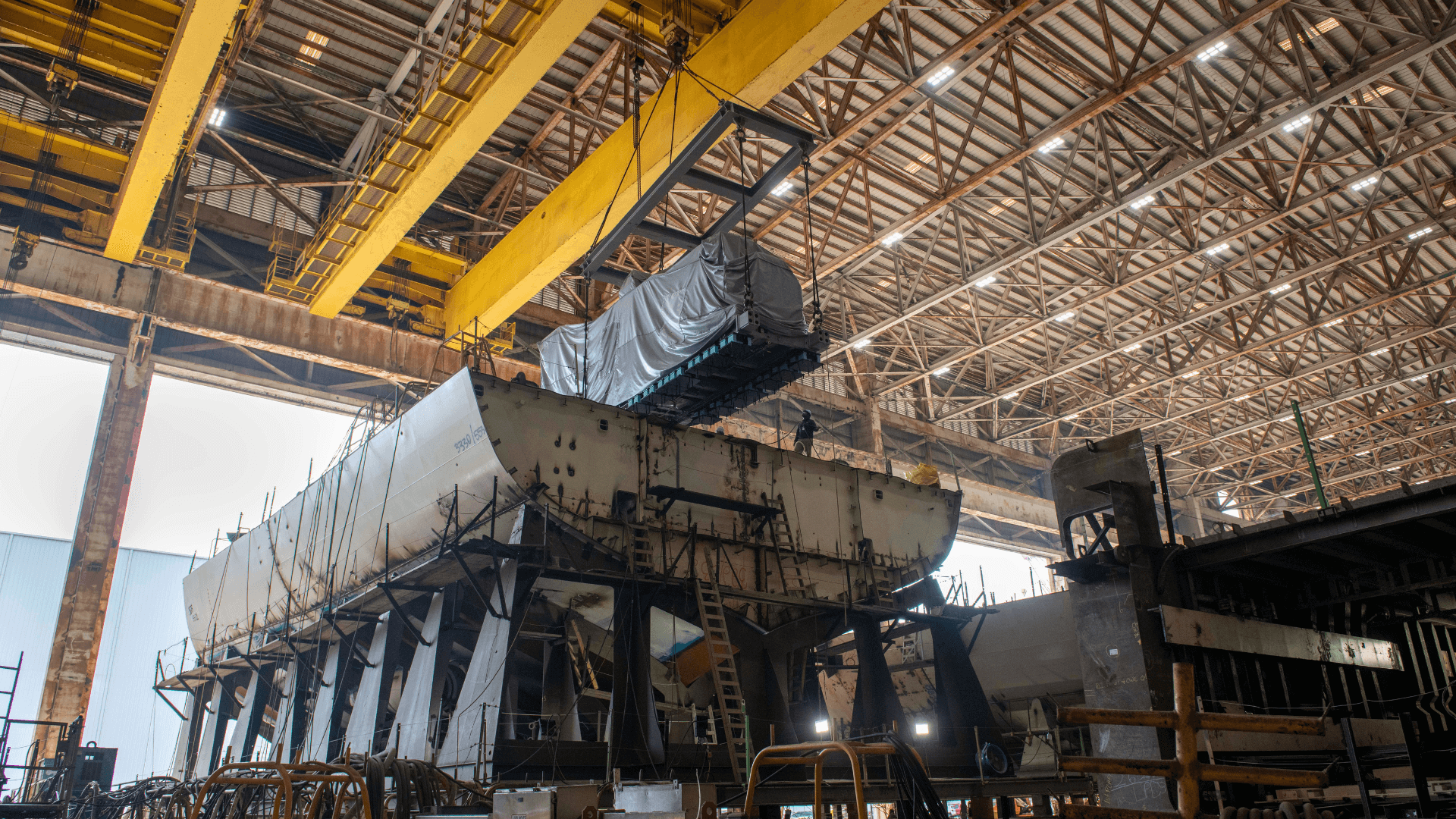
“There are glass strands inside these cables,” he said. “They drive systems like power, navigation, weapons, environmental controls, almost everything onboard. Protecting them keeps us on schedule and ensures our warfighters get the ships they rely on.”
Quintasha agrees.
“Those cables carry communication signals, and communication is everything. It matters out there in the fleet, and it matters here in the shipyard.”
Her sense of purpose runs deep.
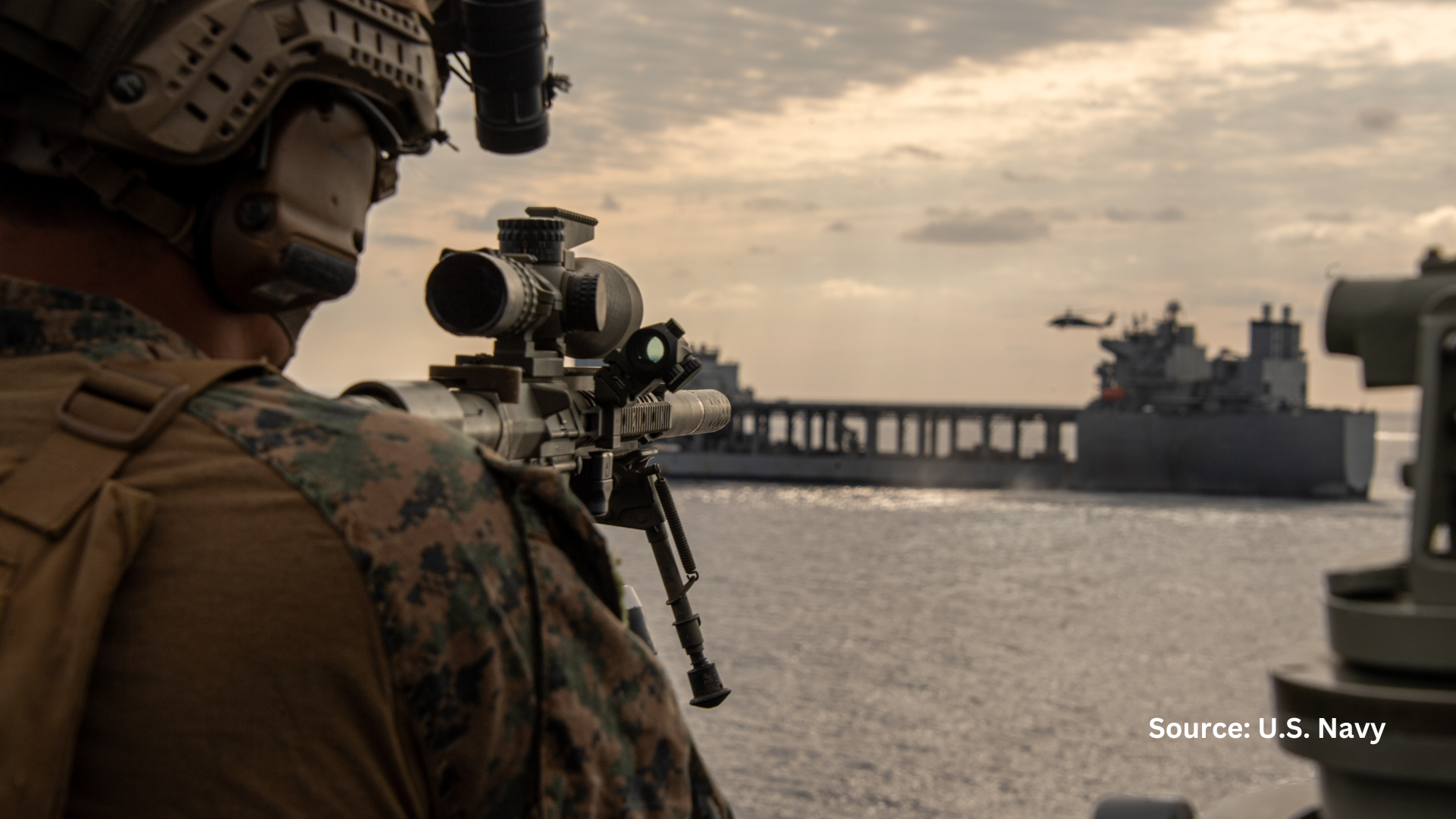
“Every person aboard the ships we build is somebody’s child,” she said. “As the mother of three sons who may one day choose to serve, my job is to make sure it can protect them. That’s why I take pride in what I do.”
Protect the work. Respect the fiber.
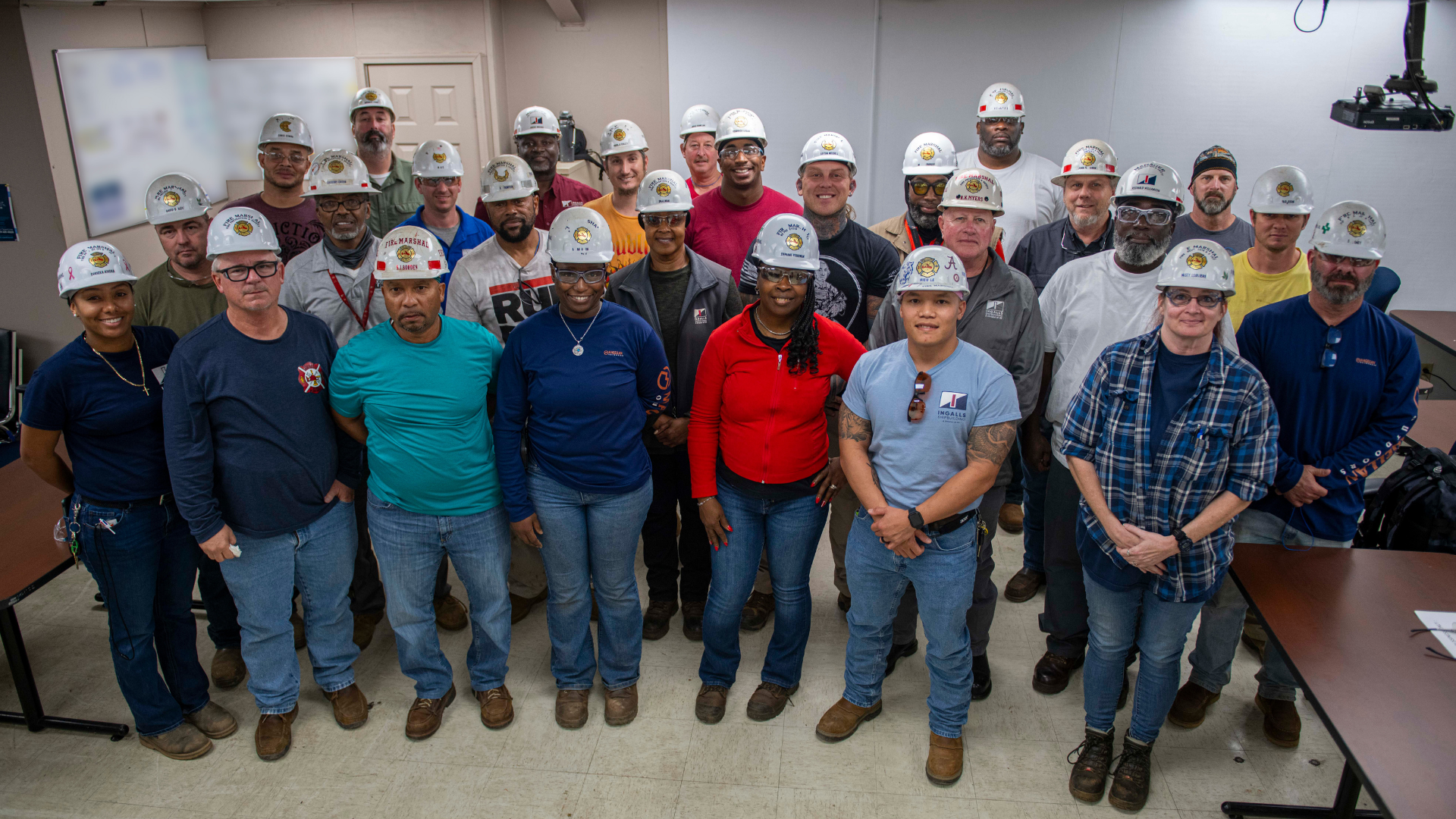
Zero fires. Zero injuries. Zero damages. Zero compromise.
RELATED: Zero Damages | Protecting the cables that power the fight