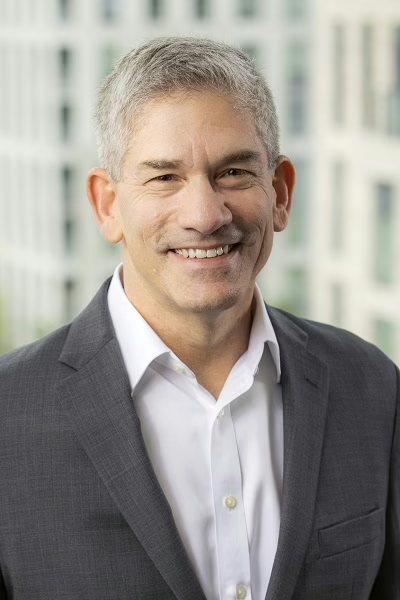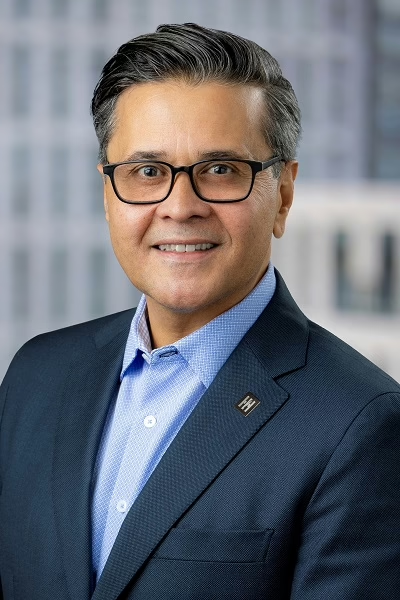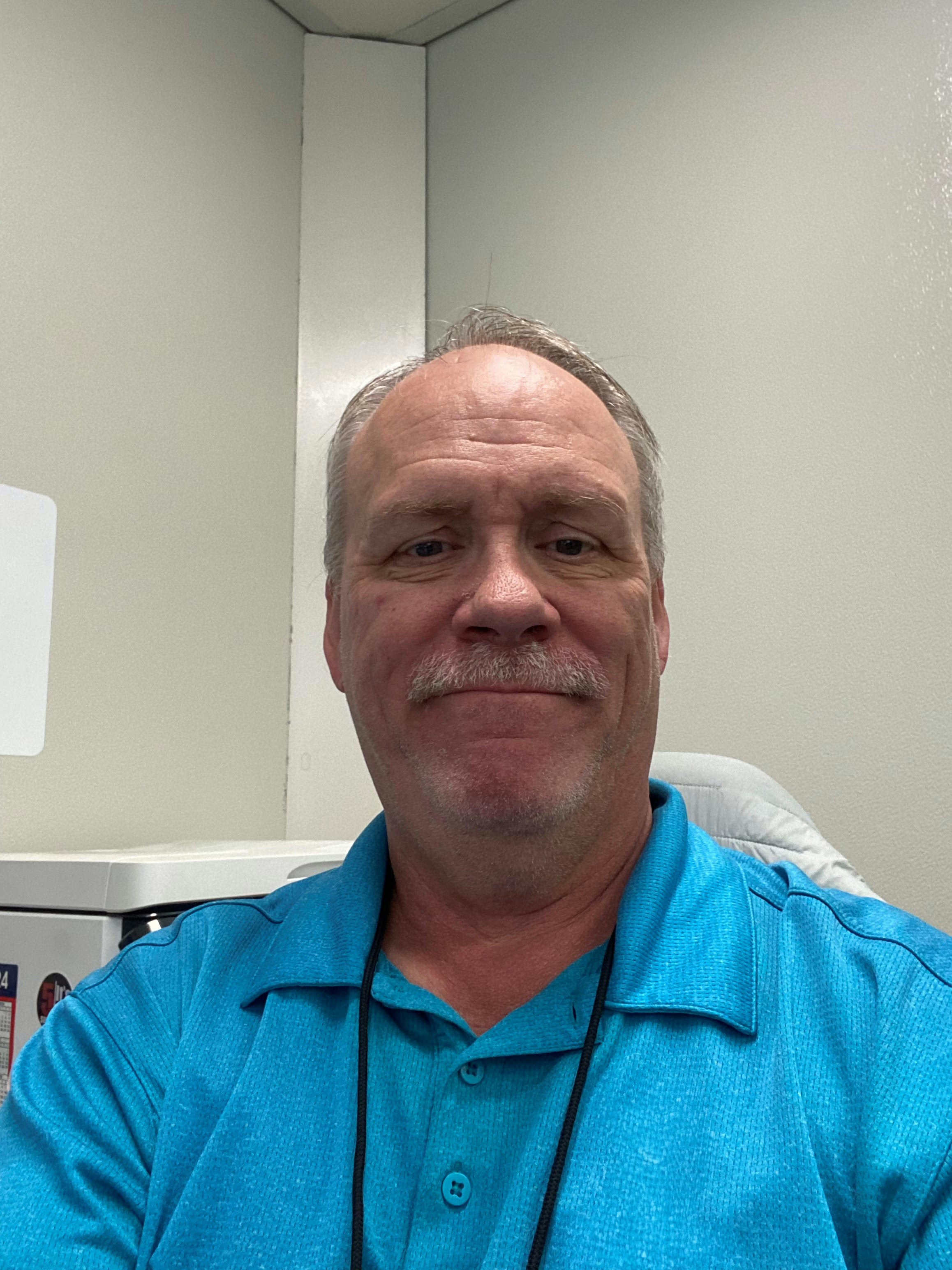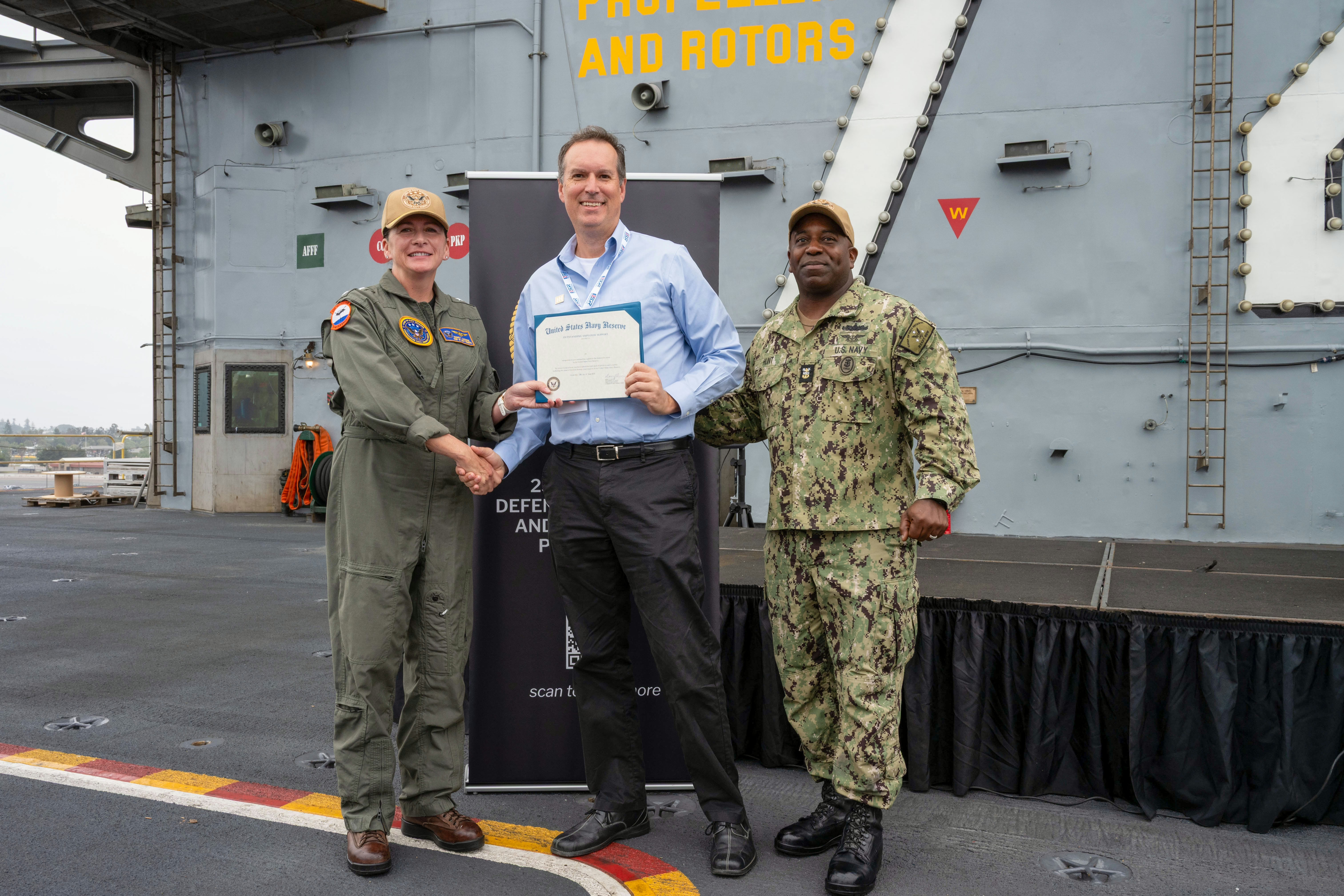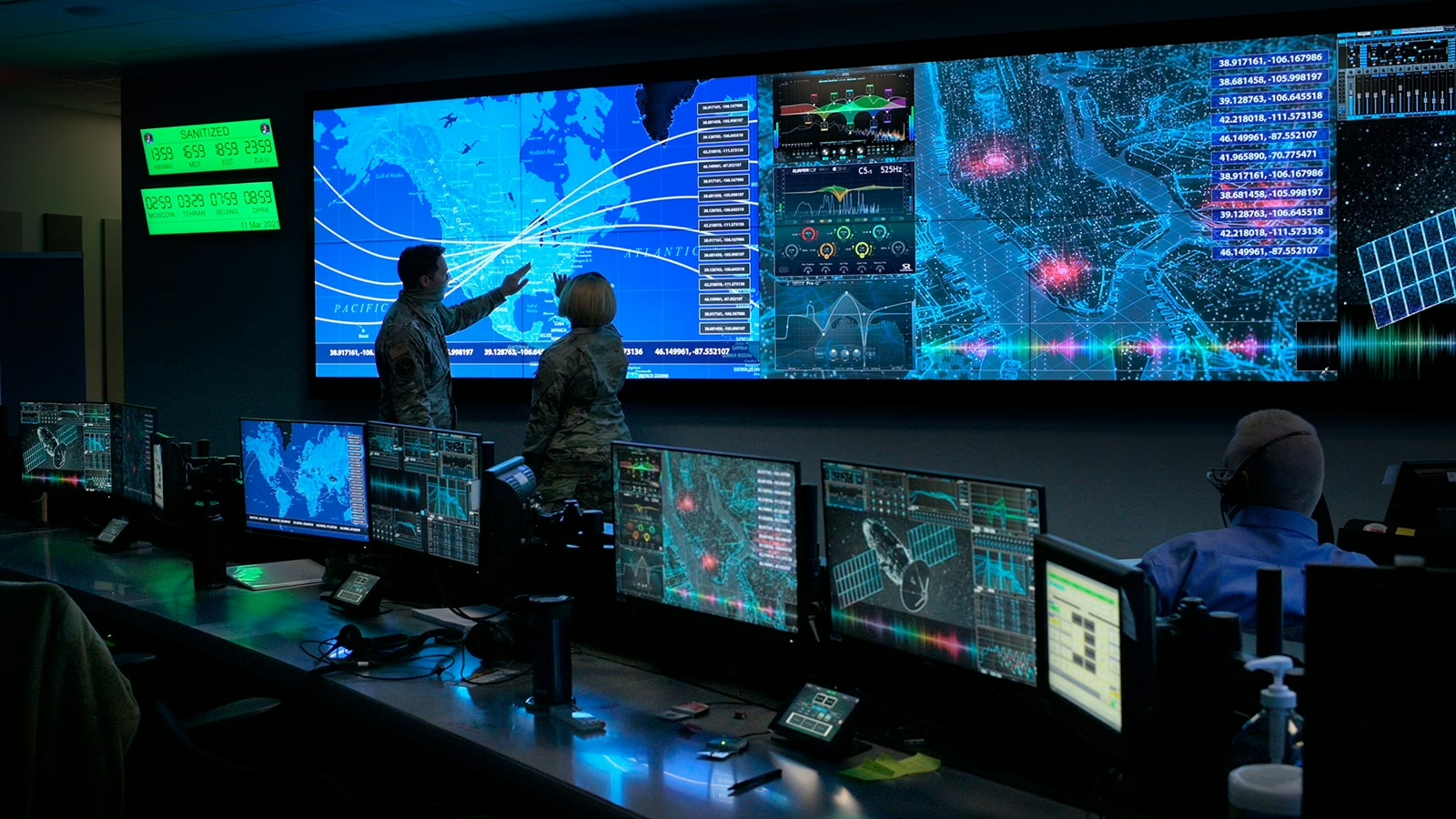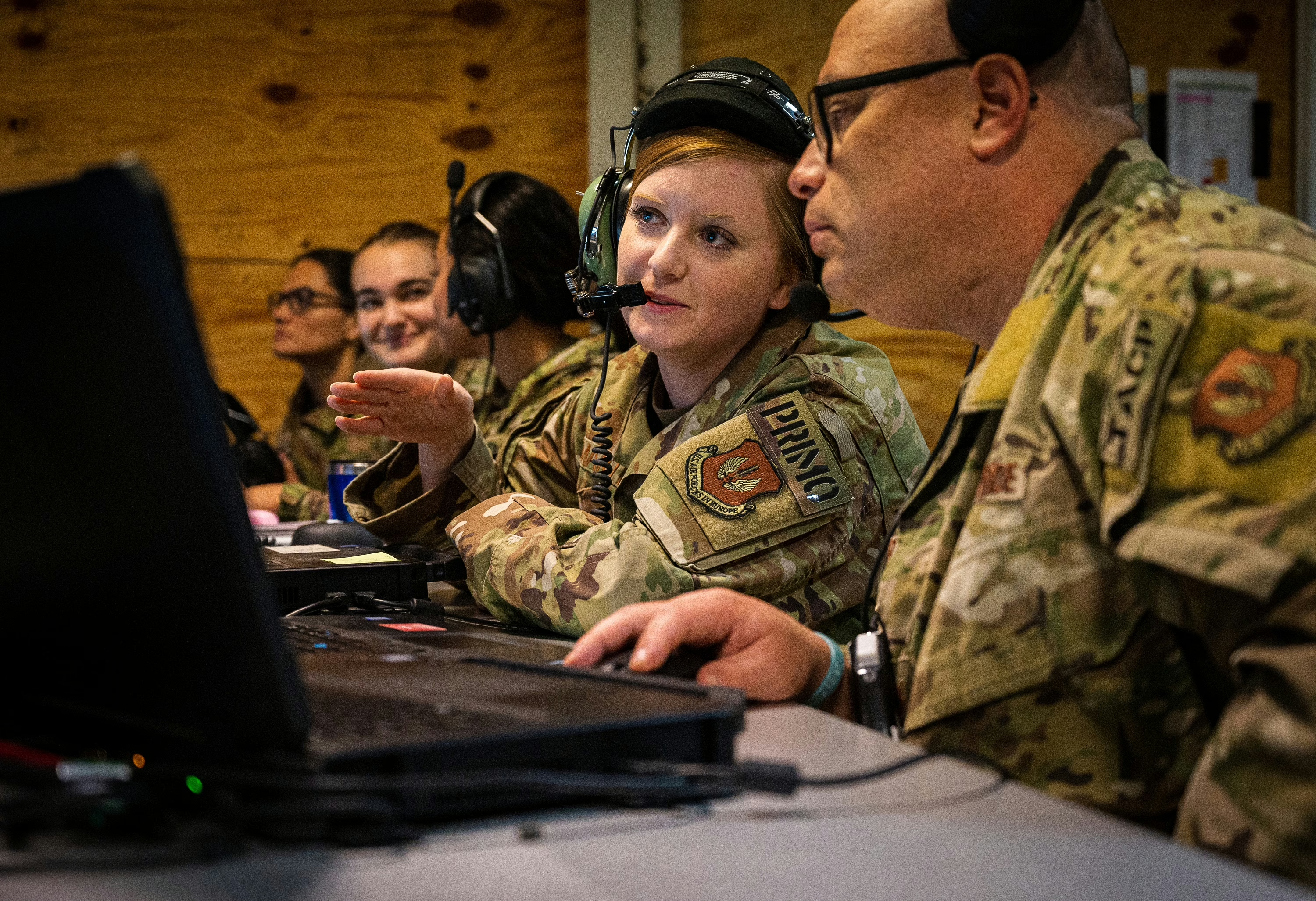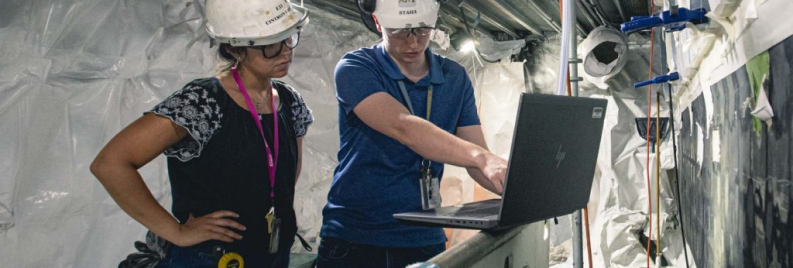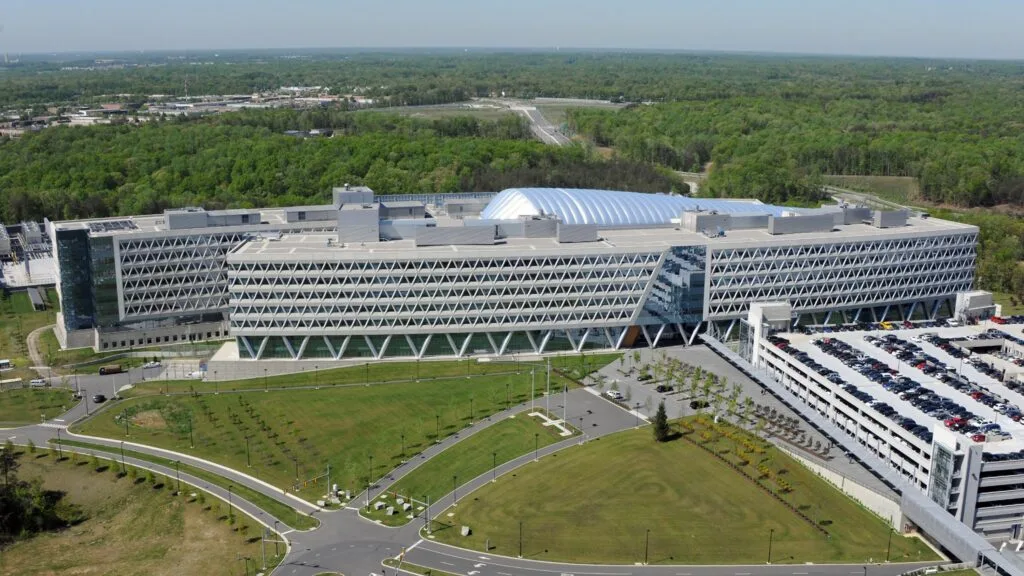
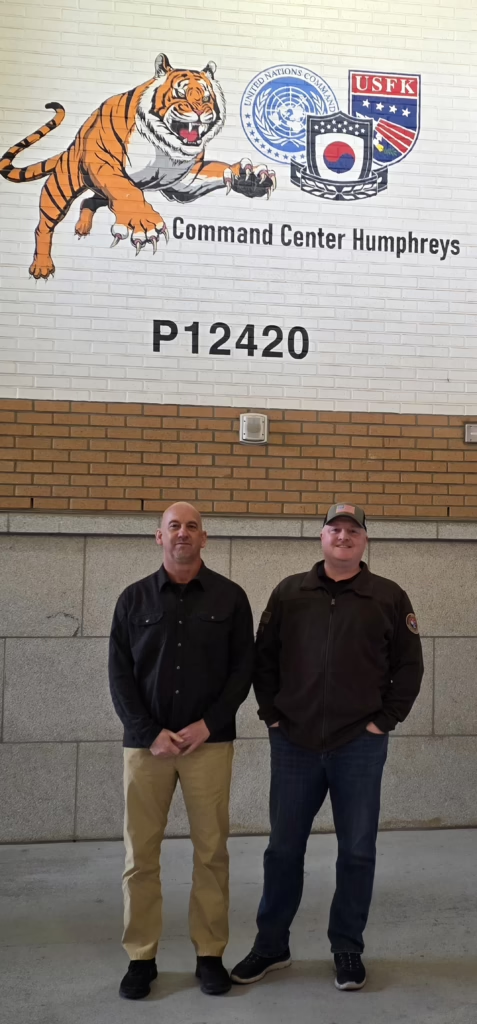

Inside the Joint Intelligence Operations Center–Korea (JIOC‑K), the high operational tempo defines the environment. Analysts move quickly between briefings, data streams update constantly, and the mission pushes forward without pause. Behind this constant flow, two HII team members have been quietly reshaping how JIOC‑K conducts intelligence operations in support of U.S. Forces Korea’s mission to deter North Korean aggression and maintain the armistice.
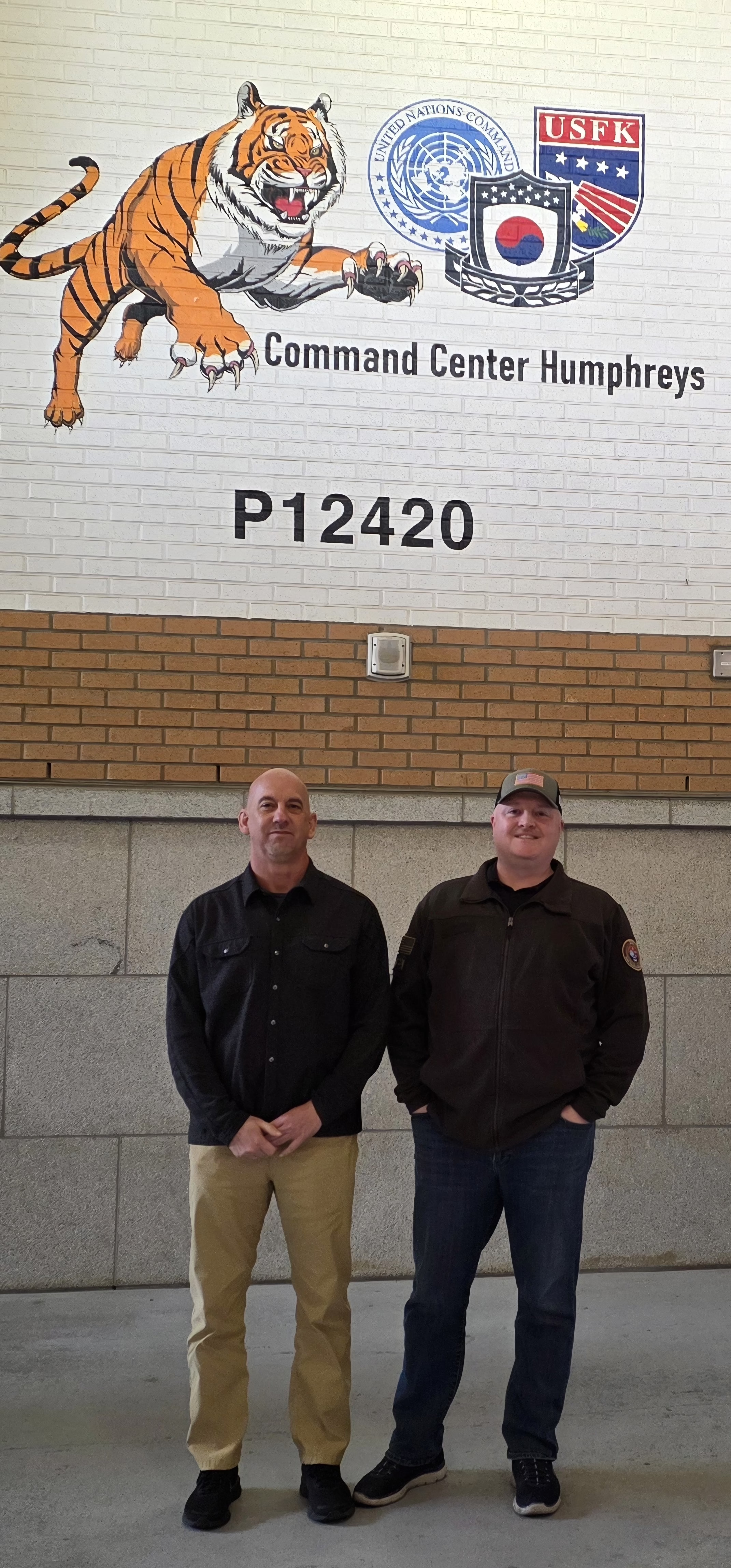
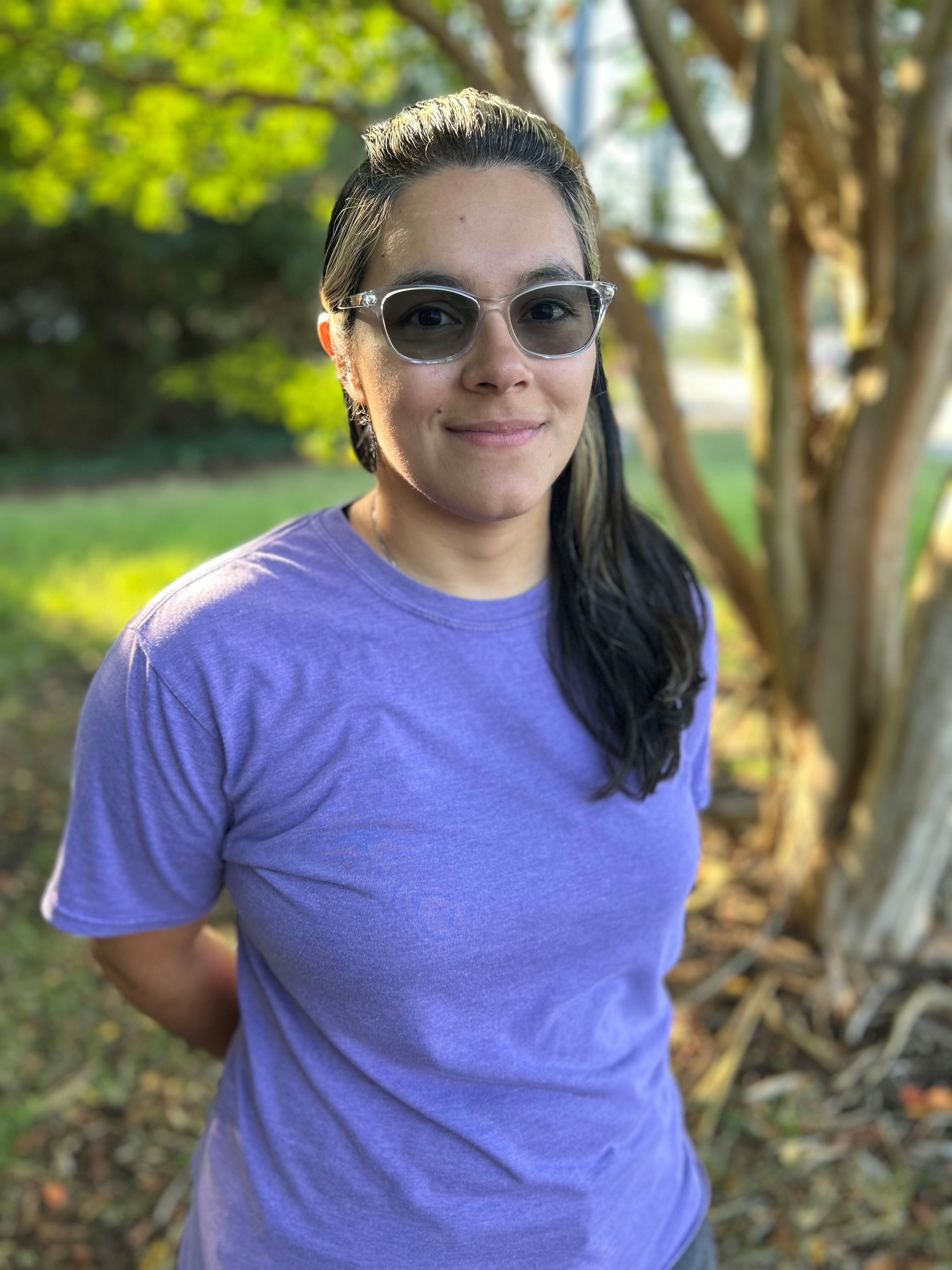
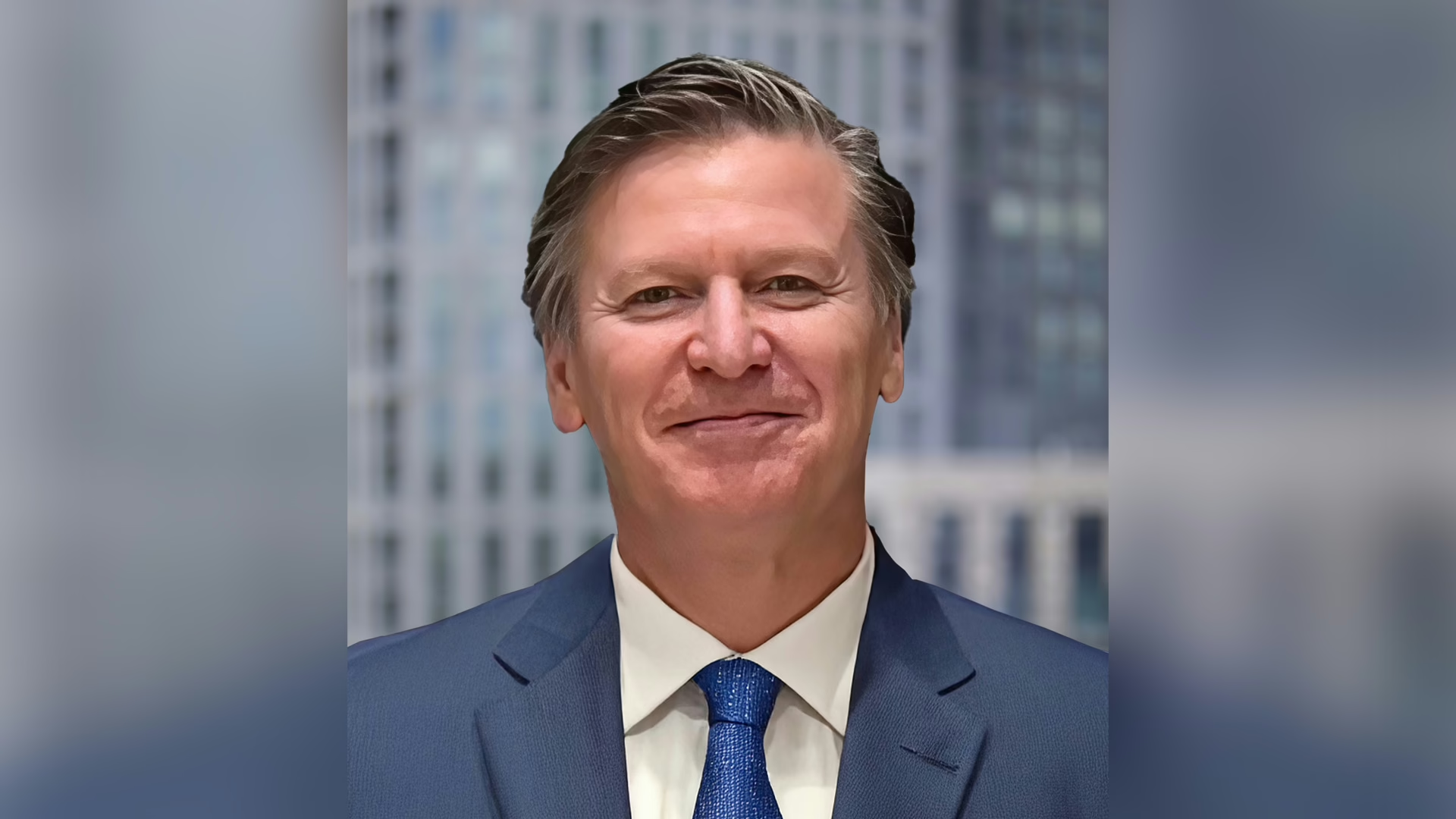
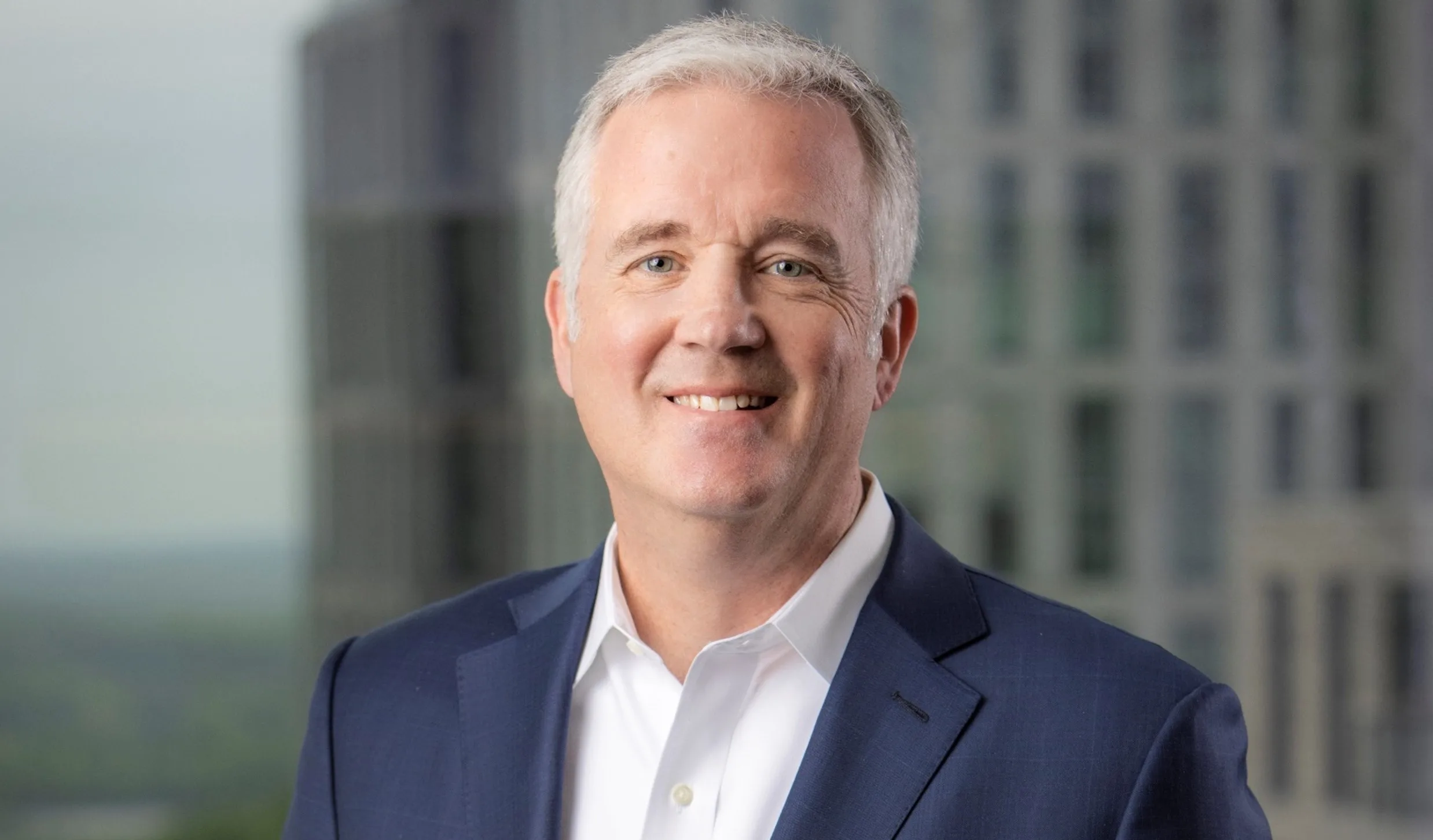
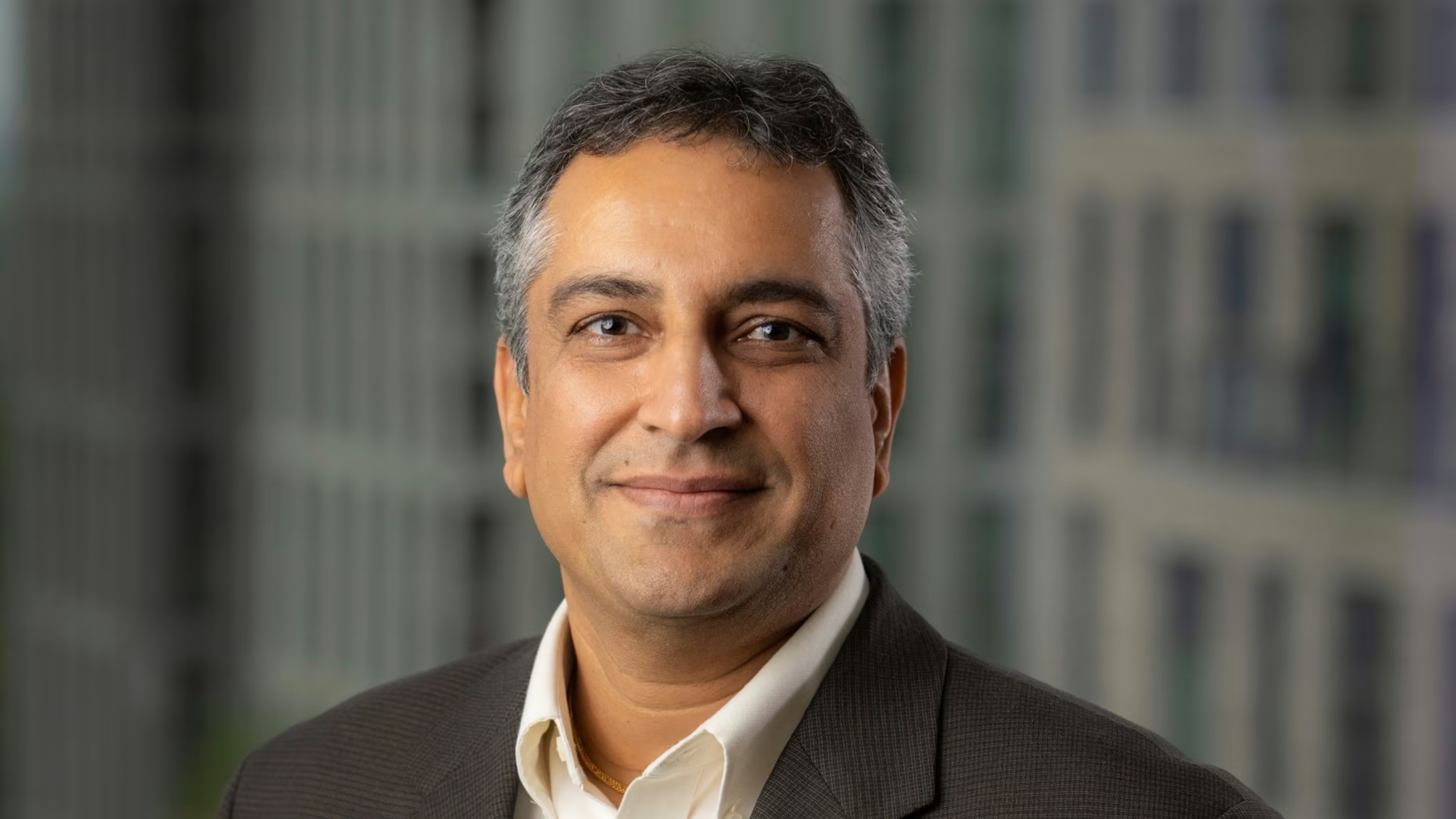
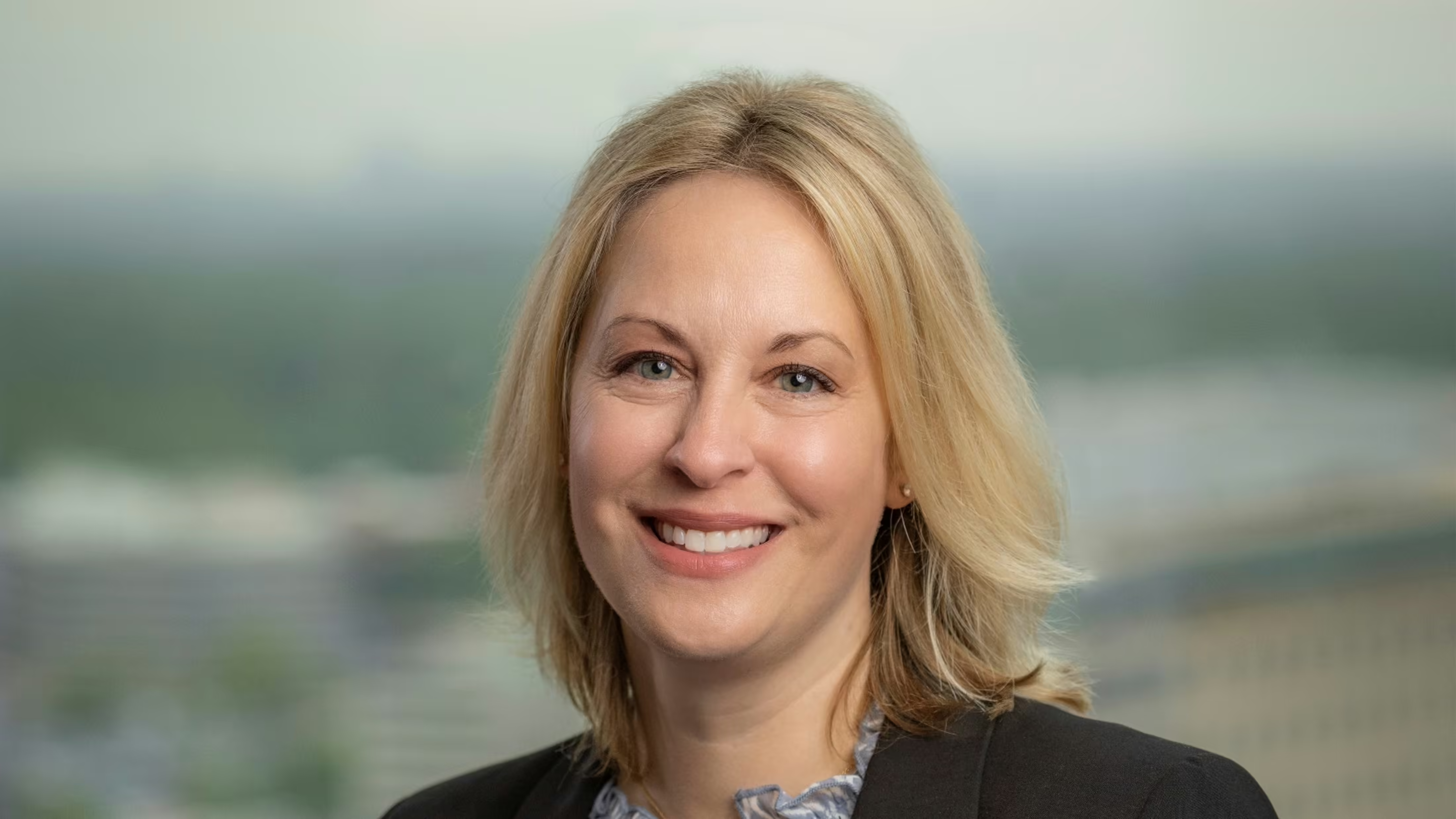
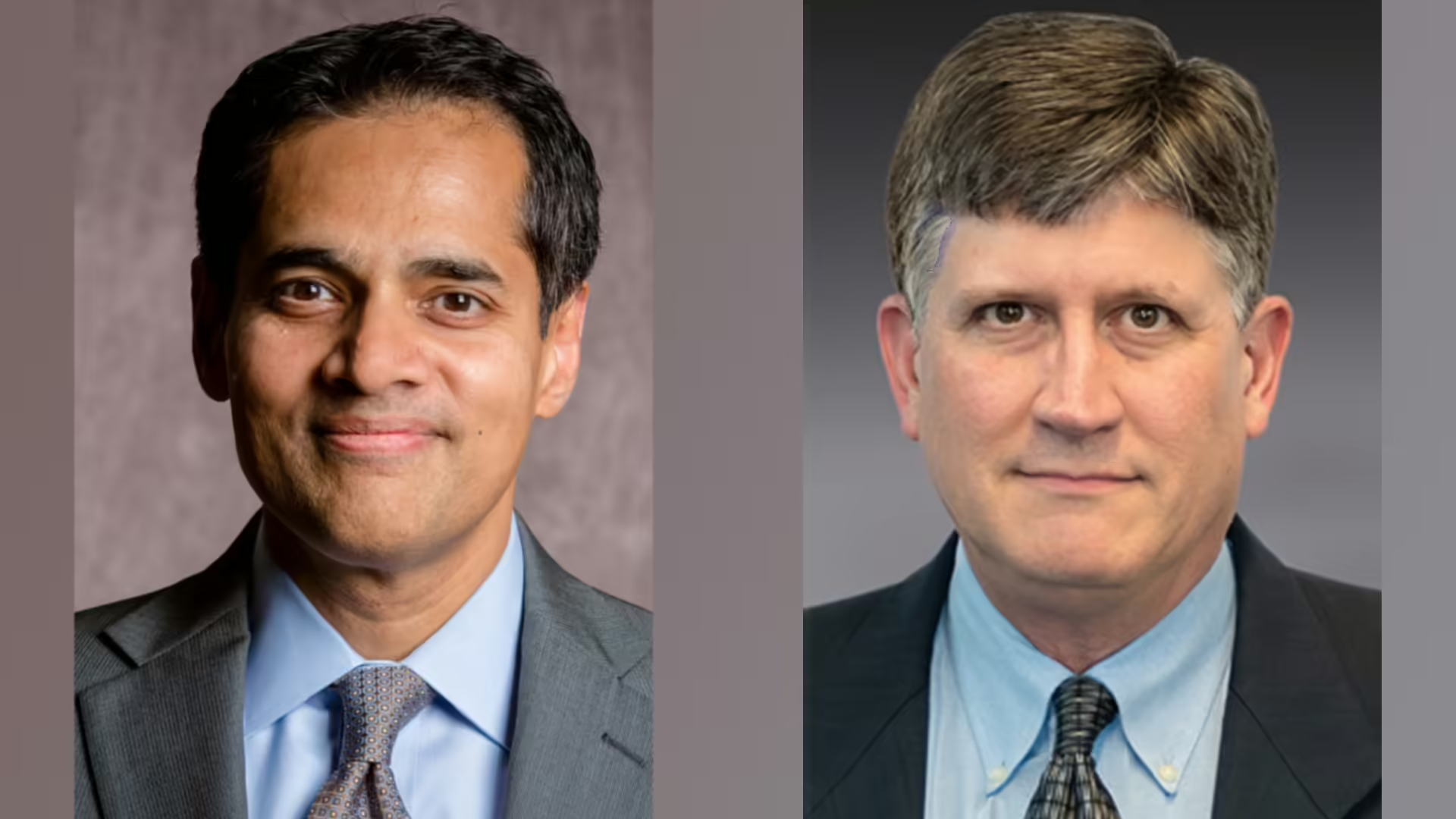
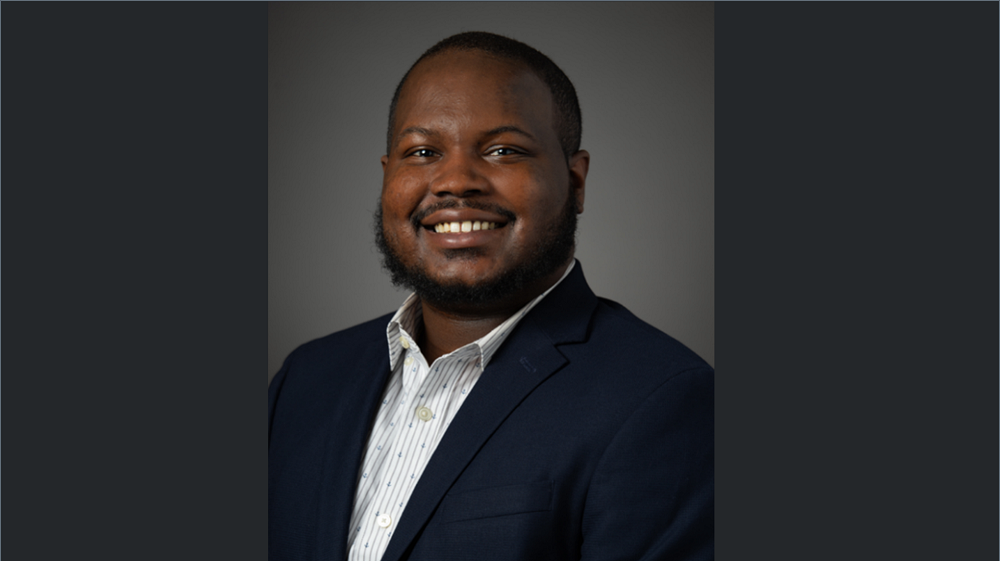
For Trace Fields, a data scientist, and Paul Emory, an intelligence analyst and data‑architecture subject‑matter expert, the past year has been about more than new tools or workflows. Their work has centered on giving analysts time back—time to think, time to analyze, and time to anticipate what comes next.
A Data Scientist Who Saw Possibility in the Chaos
When Fields arrived, intelligence teams were weighed down by manual, labor‑intensive tasks: formatting slides, sorting spreadsheets, and stitching together reports from disconnected systems. He saw talented analysts spending hours on work that machines could complete in seconds—and set out to change that.
Fields helped establish the USFK Command Data Office, shaping its mission, data architecture, and governance practices. He introduced a data‑engineering framework tailored to real operational needs, wrote the first standard operating procedure for AI prompt engineering, and developed use cases with Palantir’s AI Platform to help analysts automate tasks, build AI applications, and make well‑governed, data‑driven decisions. He then trained teams across targeting, all‑source analysis, and ISR on using multimodal AI tools to process text, imagery, video, and documents.
The results were immediate. Processes that once took days now take hours. Analysts who were previously “in the loop” for every manual step are now “on the loop,” focused on higher‑value assessments instead of repetitive work.
“What motivates me is seeing analysts get their time back,” Fields said. “When a workflow that used to take hours suddenly takes minutes, you can feel the shift in the room. People start thinking bigger, asking better questions, and focusing on the mission instead of the mechanics.”
An Analyst Building the Future of Command and Control
While Fields modernized how analysts work, Emory modernized how their data moves.
His efforts center on the Common Operational Picture–Intelligence Data Layer (COP IDL), a foundational component of USFK’s future command-and-control environment. His work supports the shift from application‑centric to data‑centric operations—where information flows seamlessly, updates in near real time, and enables faster, more confident decision‑making.
He also advanced the Cursor on Target initiative, replacing outdated message formats with machine‑readable standards that move at the speed of data rather than human typing. In a theater where seconds matter, this evolution is transformative.
“The goal has always been simple: make information move as fast as the mission demands,” Emory said. “When data flows cleanly and clearly, people make better decisions—and that directly impacts readiness. It’s rewarding to know that the work we’re doing behind the scenes is helping the entire team operate with more confidence and speed.”
A Mission Strengthened by People
What makes their story compelling isn’t just the technology—it’s the impact on people. Analysts now have more clarity, more confidence, and more time to focus on what matters most: understanding the adversary and protecting U.S. and allied forces.